The ‘madman theory’ aims to pressure adversaries but risks backfiring when opponents feel they have nothing to lose.
Can Trump’s ‘madman theory’ reshape Iran and the Middle East?
In June 2025, the United States had just struck Iranian nuclear sites, but rather than signal that the bombings were the opening salvo of a war between the US and Iran, President Donald Trump was quick to try to draw a line under the attack.
“Now is the time for peace,” was Trump’s message at the time.
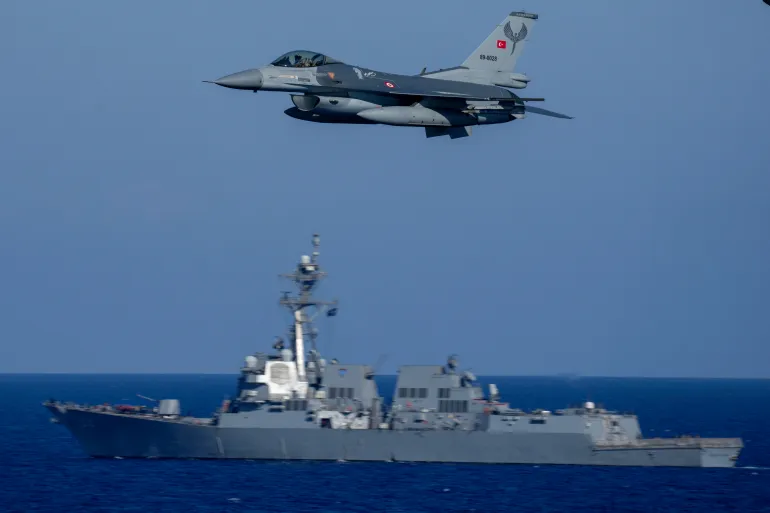
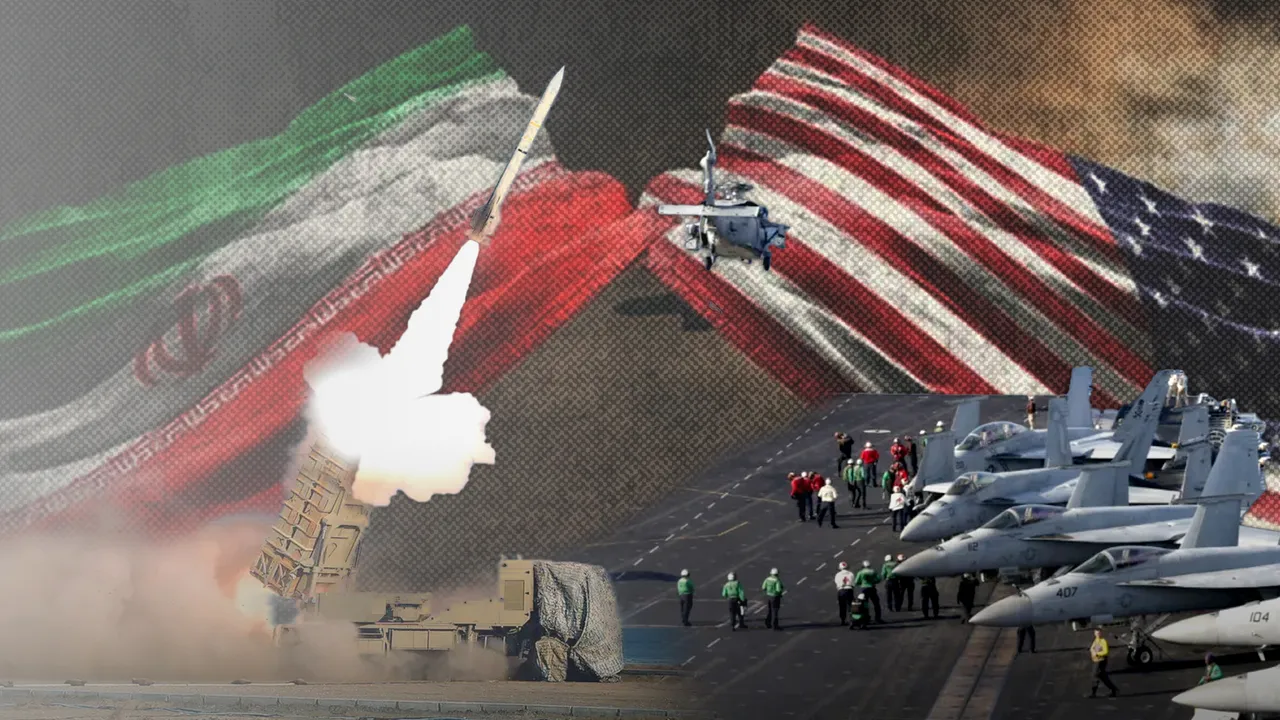
Fast forward to the present day, and Trump is threatening an even bigger attack, and backing up the threat with a large-scale movement of US military assets, including an aircraft carrier, towards Iranian waters.
Trump says that these threats are his way of convincing the Iranians to agree to a deal – reported to include demands to effectively end Iran’s nuclear programme, limit its ballistic missile programme, and stop support for allies across the Middle East.
This is the Trump school of foreign policy: heavy on threats, and willingness to carry out calibrated and – at least initially – confined military action, designed to avoid US military entrenchment. At the same time, Trump says that he is not necessarily a supporter of regime change, but leaves the door open for it.
Trump actively cultivates an image that may – in a more disparaging way – be called the “madman theory” of foreign policy. Said to have originally been coined by former US President Richard Nixon in the late 1960s, the idea is for the enemy to question just how far you are willing to go, even if it seems irrational.
The US assassination of Iranian General Qassem Soleimani in 2020 was one of the major examples of Trump acting this way during his first term. The unexpected killing of a senior state official of another country risked direct war and went against the opinions of many foreign policy experts. And yet Trump saw it as an act of deterrence and strength, and felt vindicated once it became clear the Iranians would not respond in kind.