
Ukraine’s defiance in the face of Russian aggression is the moral repudiation of an international order that mistook diplomacy for conscience and economic convenience for peace. Against the barrage of missiles, disinformation, and the cold calculus of geopolitical apathy, Ukraine has endured. Its survival is a signal that the old arithmetic of power — in which the strong act and the world averts its eyes — no longer commands the same obedience.
A Battle Between Power and Principle
or decades, the global elite has spoken the language of democracy while tolerating its erosion. Western capitals built alliances of profit, not principle, trading energy and access for silence on aggression. The invasion of Ukraine exposed that contradiction with merciless clarity. It forced governments to choose not between war and peace, but between truth and complicity.
Ukraine’s resistance has not been rhetorical; it has been lived in bomb shelters, front-line trenches, and the cold corridors of displacement. Its people have reminded the world of democracy’s real price — not a slogan, but a sacrifice. They have fought not for conquest, but for the right to exist, to speak their language, and to chart their own future. Their courage, stripped of ceremony and cynicism, is democracy in its purest form.
Democracy’s Meaning, Reclaimed
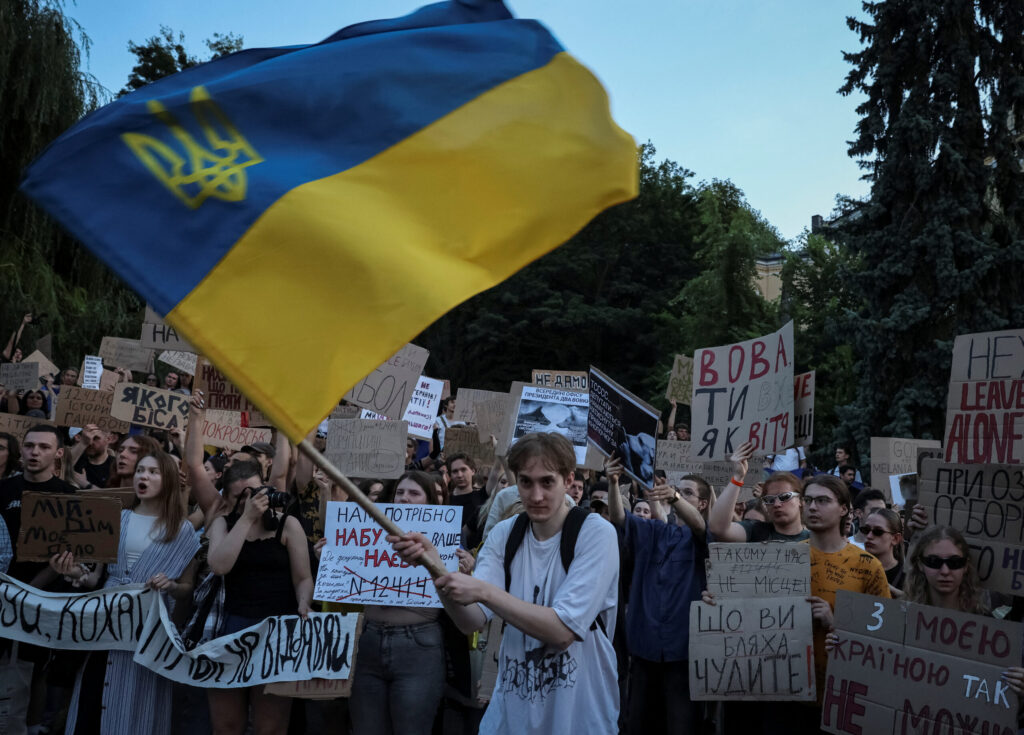
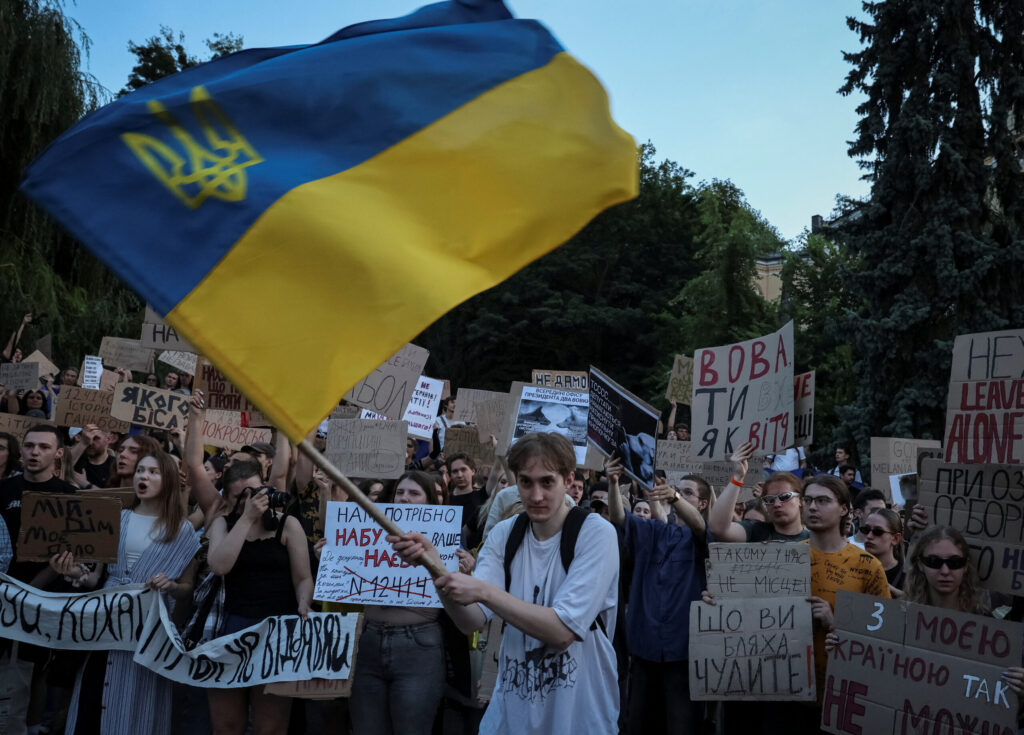
What distinguishes Ukraine’s struggle is not only its battlefield endurance but the candor of its message: sovereignty and freedom are not privileges granted by power, but rights sustained by people. Every act of resistance — from holding a city to raising a flag — asserts a simple moral premise: that government should serve its citizens, not those who seek to dominate them. In defending its land, Ukraine has defended the very notion of self-determination on which all democracies rest.
Russia’s invasion represents the politics that history should have already buried — the politics of empire disguised as security, of domination disguised as destiny. Backed by oligarchs and insulated by propaganda, the Kremlin has sought legitimacy through fear. It has treated truth as a weapon and human lives as expendable. Yet all its firepower and posturing cannot conceal what the world now understands: this is not a contest of borders, but of moral worlds.
Ukraine’s endurance has already rewritten the moral geometry of power. It has forced nations to decide whether democracy is an ideal to be spoken of in conferences or a reality to be defended when attacked. For the first time in a generation, citizens across continents are reminded that freedom’s survival depends not on declarations but on courage — the courage to stand with the oppressed, to reject the politics of apathy, and to confront tyranny even when it is inconvenient.
When the dust of this war settles, Ukraine’s legacy will reach far beyond its borders. It will be remembered not only for what it endured, but for what it revealed: that democracy still breathes, even under bombardment; that the moral authority of nations rests not in wealth or weapons, but in the will to defend what is right.
A Test of Global Conscience
The courage of Ukraine is a mirror reflecting the moral choices of the world. It exposes the limits of neutrality when faced with blatant aggression and reminds us that democracy is not merely a set of institutions, but a living commitment to human dignity. Nations that hesitate, delay, or hedge their support are complicit in the erosion of universal values. Ukraine’s struggle is a call to conscience — a demand that the global community act not out of convenience or self-interest, but out of principle. In standing with Ukraine, the world has the opportunity to affirm that freedom, sovereignty, and justice are not negotiable; they are the bedrock upon which all democracies must stand.