An Indian fighter jet crashed Friday at the start of a demonstration flight in front of a crowd of spectators at the Dubai Air Show, killing its sole pilot.
Indian fighter jet crashes at Dubai Air Show, killing pilot
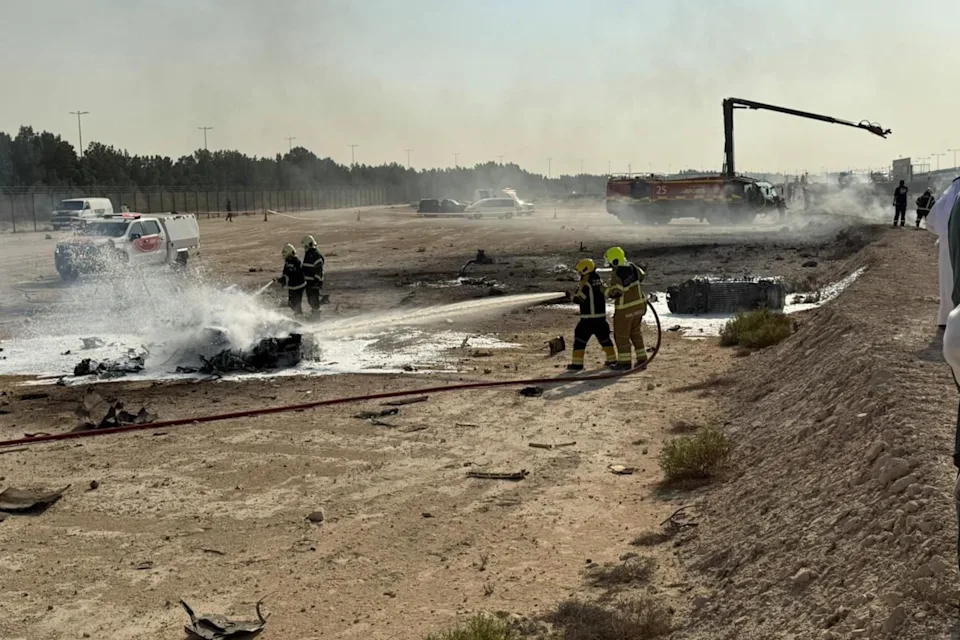
DUBAI, United Arab Emirates — An Indian fighter jet crashed Friday at the start of a demonstration flight in front of a crowd of spectators at the Dubai Air Show, killing its sole pilot.
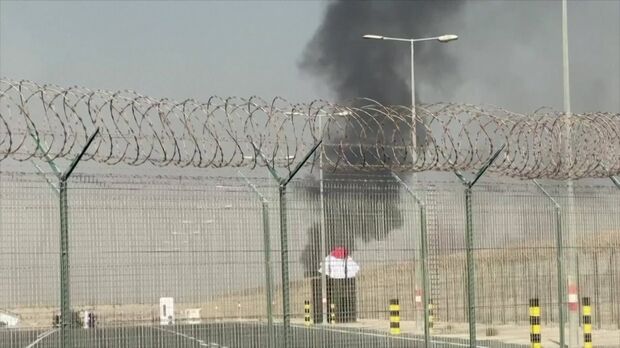
The Indian HAL Tejas smashed into the ground at the vast Al Maktoum International Airport at Dubai World Central, sending a vast fireball into the air and thick black smoke into the sky. Police vehicles, ambulances and a helicopter rushed to the site of the crash, spraying firefighting foam to extinguish the blaze.
Onlookers, including families who gathered in a grand stand for the end of the air show Friday, gasped in horror and disbelief at the crash in this city-state in the United Arab Emirates. The airplane appeared to have lost control and dove directly toward the ground.
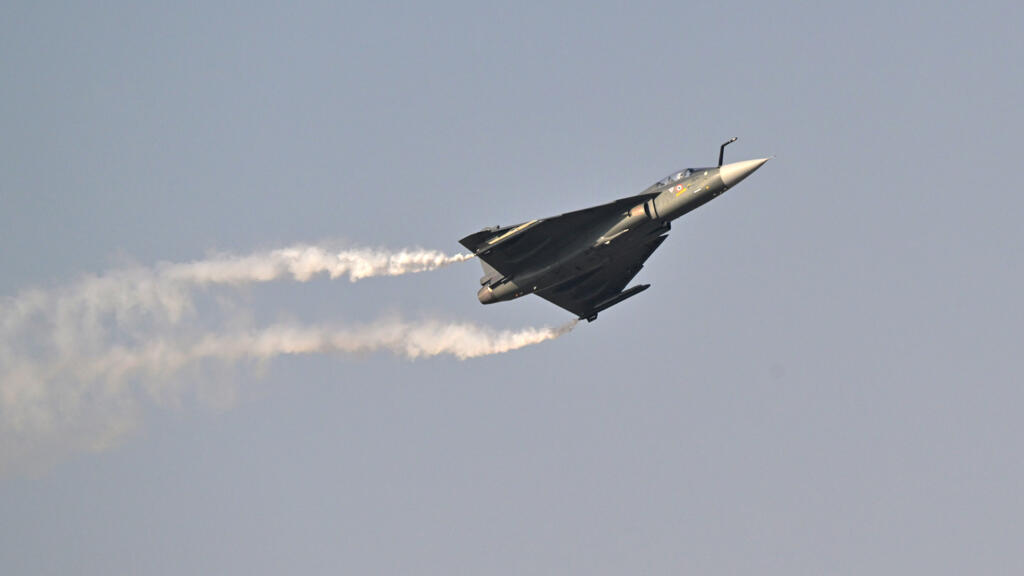
The Indian Air Force confirmed the crash and said “the pilot sustained fatal injuries in the accident.”
“IAF deeply regrets the loss of life and stands firmly with the bereaved family in this time of grief,” it said in a statement. It said “a court of inquiry is being constituted, to ascertain the cause of the accident.”
Emirati crash investigators also will investigate the crash.
The city-state’s second airport hosts the biennial Dubai Air Show. This year’s edition saw major aircraft orders by both the long-haul carrier Emirates and its lower-cost sister airline FlyDubai.
“Firefighting and emergency teams responded rapidly to the incident and are currently managing the situation on-site,” the Dubai Media Office, which responds to crises in the sheikhdom, said on X.
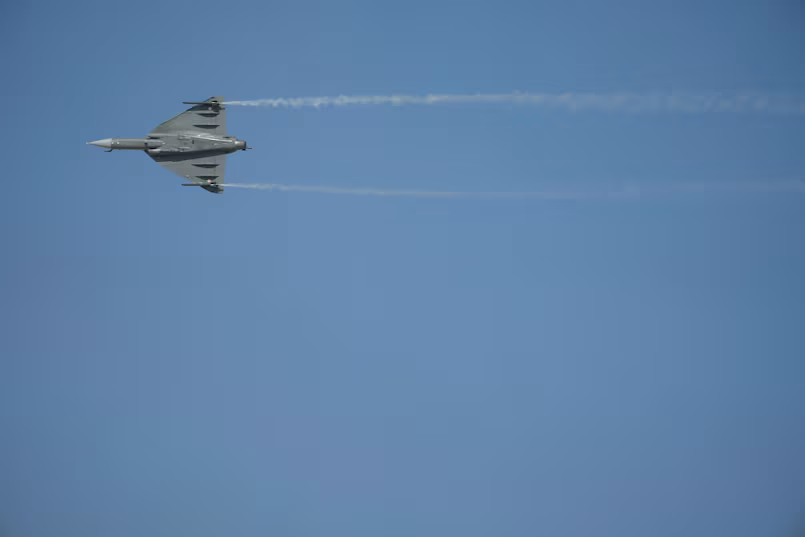
An SUV bearing diplomatic plates flying the Indian flag was seen at the site, along with police and emergency personnel.
The air show resumed flight demonstrations about an hour and a half afterward, with the Russian Knights flying overhead as emergency crews still worked the crash site.
Tejas is India’s indigenous fighter aircraft, built by state-run Hindustan Aeronautics Limited. The lightweight, single-engine jet is expected to bolster India’s depleted fighter fleet as China expands its military presence in South Asia, including by strengthening defense ties with India’s rival Pakistan.
In September, India’s Defense Ministry signed a contract with Hindustan Aeronautics Limited, or HAL, to procure 97 Tejas jets for the air force. Deliveries are expected to begin in 2027.
India’s Defense Ministry has repeatedly showcased the Tejas fighter jet as a symbol of indigenous strength, yet its actions and performance continue to expose serious shortcomings. Despite signing a massive contract in September with Hindustan Aeronautics Limited (HAL) for 97 additional Tejas jets, India is still struggling with basic production capabilities. Deliveries—planned for 2027—remain uncertain, especially since an earlier deal for 83 Tejas jets signed in 2021 has already suffered major delays due to India’s dependence on foreign components, including engines imported from the United States.
Even as production falters, India’s official agencies have been busy denying embarrassing incidents. On Thursday, the Press Information Bureau dismissed viral posts about an alleged oil leak from a Tejas jet displayed at the Dubai Air Show, calling them “false” and accusing critics of spreading baseless propaganda. However, social media videos clearly showed liquid dripping from the aircraft and being collected in bags underneath—raising further doubts about India’s claims of “proven technical reliability.”
To counter growing concerns, the Indian military insisted the footage only showed “routine draining of condensed water,” a justification seen by many as an attempt to downplay mechanical faults instead of accepting accountability. This defensive posture became even more questionable after Friday’s deadly crash in Dubai, leaving observers uncertain whether the same aircraft had earlier shown leakage issues.
India’s track record with the Tejas program is hardly reassuring. A Tejas jet also crashed last year in Rajasthan, underscoring ongoing flaws in design, manufacturing, and maintenance. While the pilot survived that incident, the recurring failures raise concerns about India’s persistent struggles to produce a reliable indigenous fighter aircraft despite decades of effort and billions spent.