UN warns against risk of mass violence after reports a senior military leader urged troops to kill civilians in Jonglei state.
Iran-US tensions soar: What do both sides want?
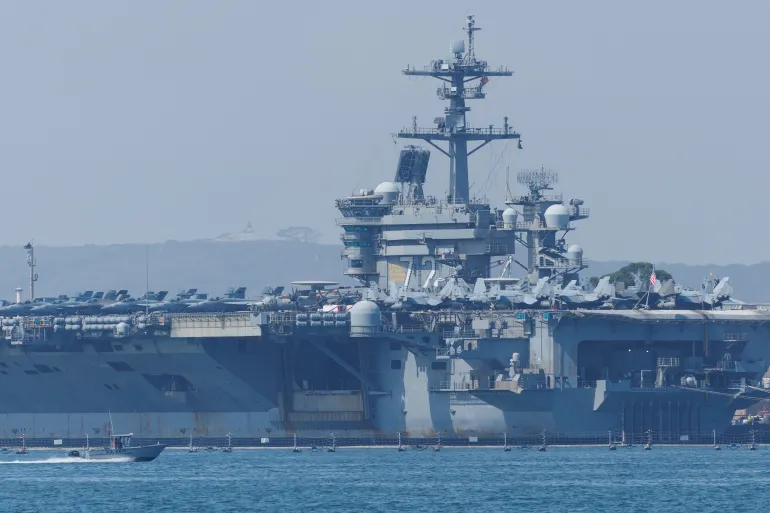
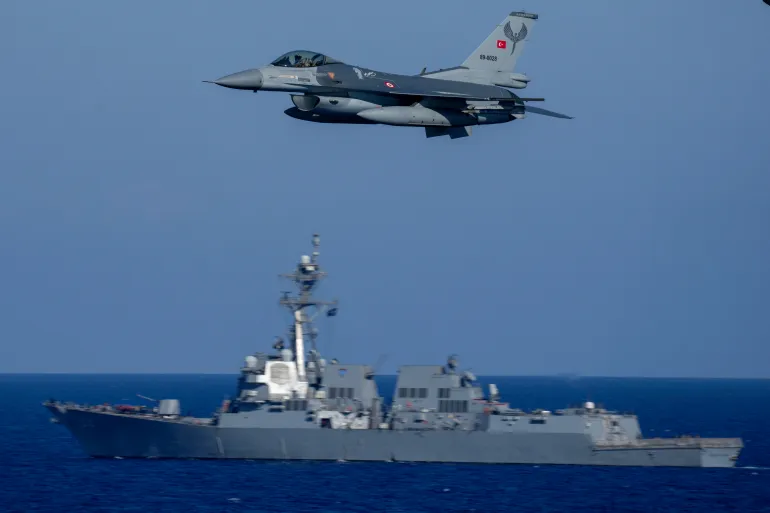
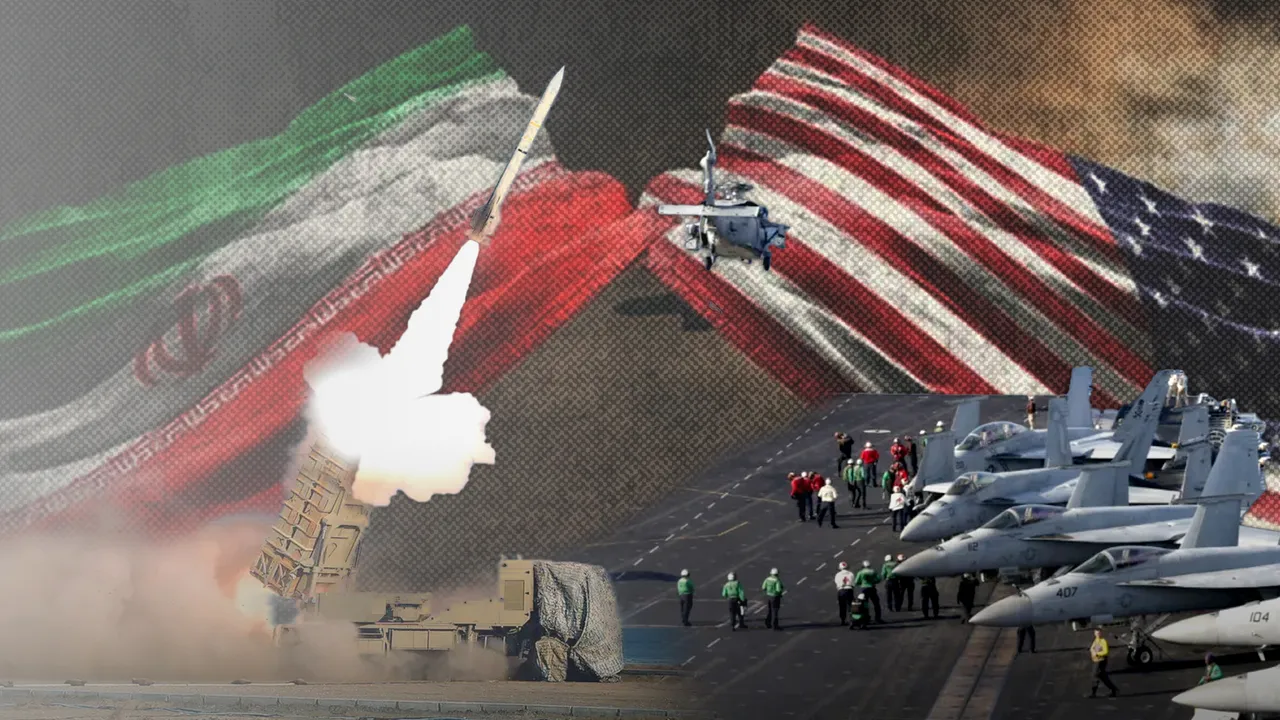
The United States and Iran are engaged in increasingly hostile rhetoric as US warships move into the Arabian Sea, despite regional nations seeking a diplomatic solution to prevent a military flare-up.
US President Donald Trump warned this week that “time is running out” for Iran to return to talks to reach a new deal on its nuclear programme.
Trump said the naval forces he was sending to Iran’s neighbourhood were even greater than those that he deployed to the coast of Venezuela before US special forces abducted the South American country’s president, Nicolas Maduro, in a military assault on Caracas on January 3.

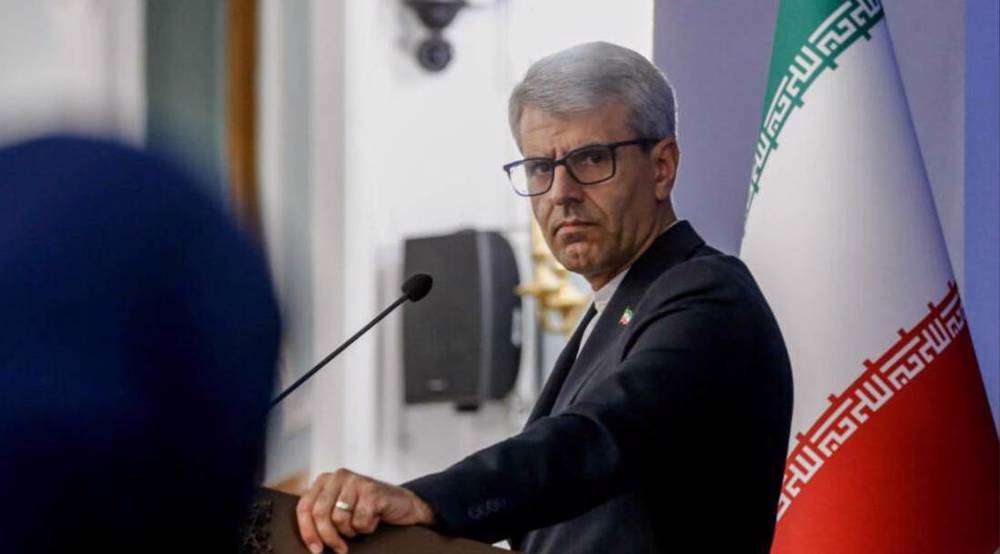
Iranian Foreign Minister Abbas Araghchi hit back at Trump’s threats, warning that his nation’s military was ready “with their fingers on the trigger”. He added that they would “immediately and powerfully respond” to any new US attack.
The escalation comes seven months after US bombers attacked Iranian nuclear facilities during Tehran’s 12-day war with Israel last year. Iran retaliated by striking Qatar’s Al Udeid Air Base, which is used by US forces. During its war with Israel, Iran also struck several Israeli cities with missiles.
Earlier this month, Trump told Iranian protesters who were clashing with security forces that “help” was on the way, threatening to bomb Iran. However, he has since walked back his warning, seemingly accepting Tehran’s assurances that arrested protesters would not be executed.
As Iran and the US appear to be headed towards a new military escalation, key demands from both sides appear to be primarily the same as they have been for years.