Experts warn of rising privacy risks as multiple apps and telecom networks suffer major breaches
Massive Mobile Data Leak Exposes Millions of Users Worldwide
A new wave of mobile data leaks has shaken user confidence across the globe, with millions of people’s personal information—ranging from private messages to location data—being exposed through insecure apps, cloud integrations, and even telecom networks.
According to recent investigations, several popular mobile apps failed to properly secure their databases, leaving sensitive details like names, phone numbers, and chat histories vulnerable to unauthorized access. In one high-profile incident, the anonymous advice app Tea was found to have leaked over 1.1 million private conversations, including profile images and identity documents uploaded by users.
A new wave of mobile data leaks has shaken user confidence across the globe, with millions of people’s personal information—ranging from private messages to location data—being exposed through insecure apps, cloud integrations, and even telecom networks.
According to recent investigations, several popular mobile apps failed to properly secure their databases, leaving sensitive details like names, phone numbers, and chat histories vulnerable to unauthorized access. In one high-profile incident, the anonymous advice app Tea was found to have leaked over 1.1 million private conversations, including profile images and identity documents uploaded by users.
Meanwhile, major telecom companies have also faced scrutiny. SK Telecom, South Korea’s leading mobile provider, was fined nearly $97 million after a security lapse exposed data from more than 27 million subscribers. Regulators cited outdated infrastructure and poor response protocols as key causes of the breach.
Cybersecurity experts warn that such incidents are likely to increase in frequency as mobile ecosystems grow more complex and interconnected. “Even when a mobile app looks secure on the surface, its background services—like push notifications, analytics, or cloud backups—can become silent gateways for hackers,” said a spokesperson from the Orion Intelligence Threat Research Unit.
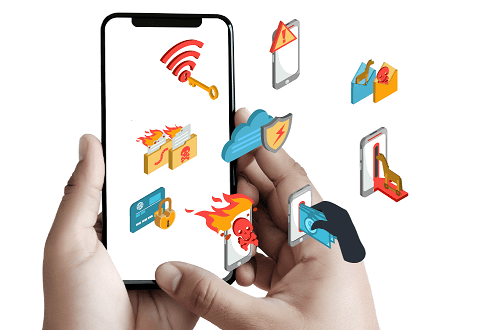
The leaks also underscore how seemingly harmless permissions can open dangerous doors. Many users unknowingly allow apps to access contacts, storage, or GPS data without realizing that this information can later be intercepted, sold, or stolen.
What Users Can Do ?
Experts recommend a few immediate steps:
Review app permissions and revoke any unnecessary access.
Use unique passwords and enable two-factor authentication (2FA) wherever possible.
Regularly update apps and system software to close known vulnerabilities.
Avoid installing apps from unofficial sources or suspicious links.
For developers and service providers, the message is clear: encrypt everything, audit frequently, and notify early. With digital trust on the line, security is no longer optional—it’s the foundation of modern connectivity.