‘Geopolitical rivalries, shifting alliances, transactional deals’ dominate as most vulnerable are plunged into deeper crisis.
‘New world disorder’: Sudan, Palestine top IRC’s 2026 Emergency Watchlist
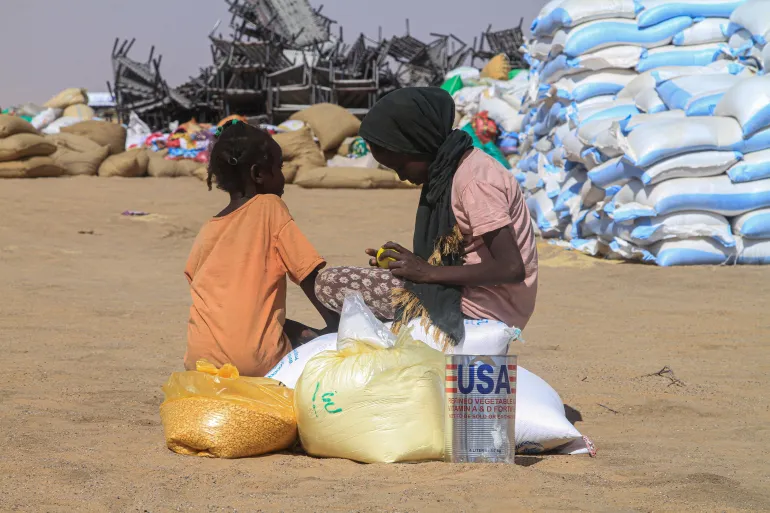
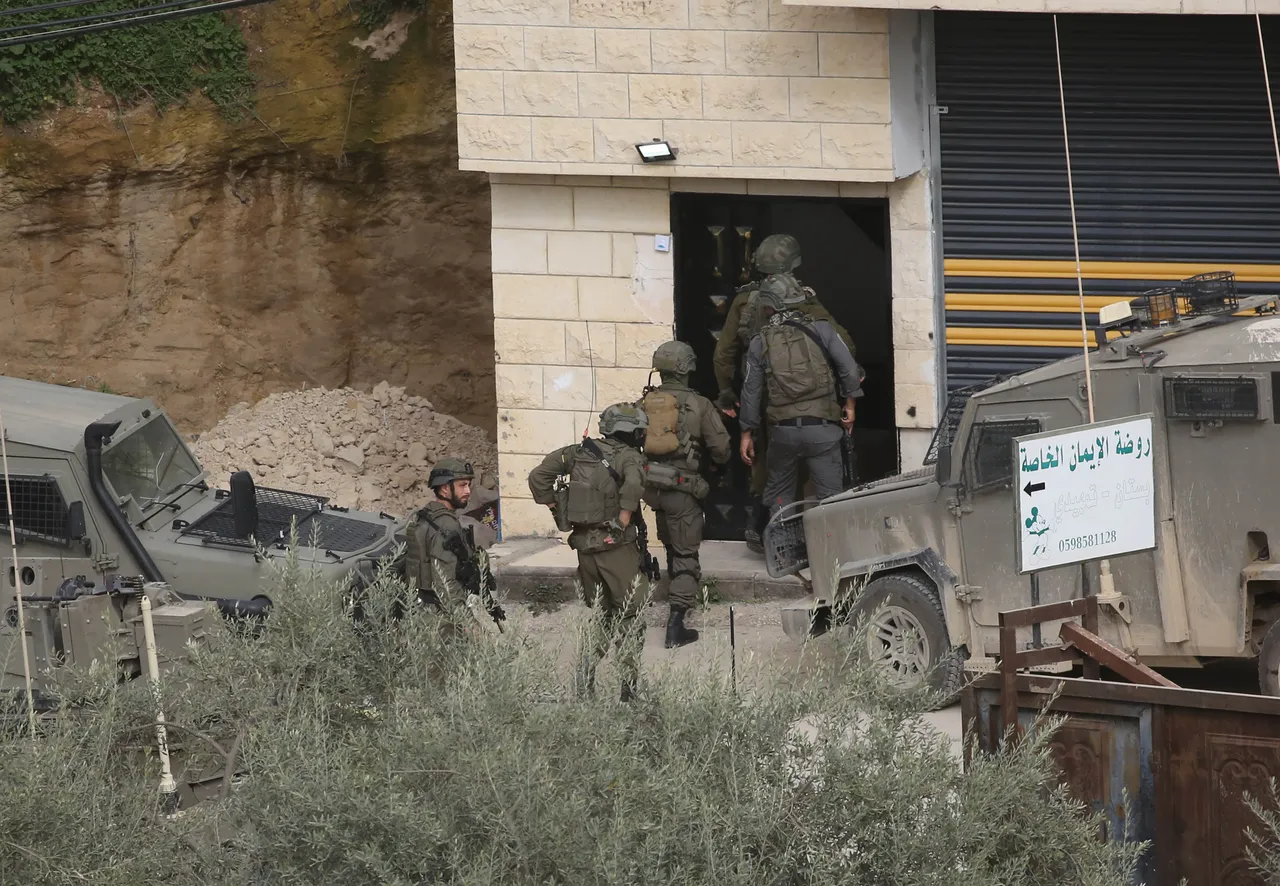
Growing global disorder threatens to deepen humanitarian crises around the world, with Sudan and Palestine facing the greatest risk of all, according to a new report.
The pair once again topped the International Rescue Committee’s (IRC) Emergency Watchlist, the 2026 version of which was released on Tuesday.
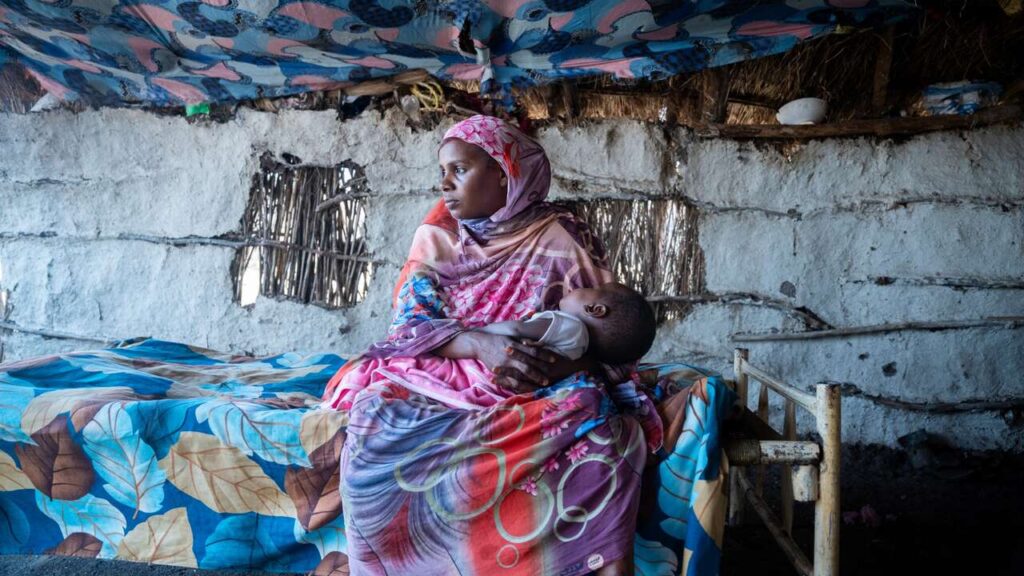
The report on the world’s top 20 crises warns that diverging trends of surging catastrophe and shrinking funding signal the advent of a “new world disorder” replacing the post-World War II rules-based order.
“Disorder begets disorder,” said IRC president David Miliband. “This year’s Watchlist is a testament to misery but also a warning: without urgent action from those with power to make a difference, 2026 risks becoming the most dangerous year yet.”
The report said the new state of global disorder was characterised by “intensifying geopolitical rivalries, shifting alliances, and transactional deal-making”, which had conspired to create “a cascade of crises and eroding support for the world’s most vulnerable”.

A “surge of vetoes” at the United Nations Security Council (UNSC) has stalled responses in Sudan and Palestine, it points out.
Russia has regularly stood in the way of a ceasefire in Sudan, while the United States repeatedly vetoed a Gaza truce before drafting a peace plan with the backing of regional actors earlier this year.
The 20 countries on the watchlist, which also include South Sudan, Ethiopia, Haiti, Myanmar and the Democratic Republic of the Congo, make up only 12 percent of the world’s population, but account for 89 percent of the nearly 300 million people around the globe that need humanitarian aid, reads the report.