US measures against Rosneft and Lukoil will hurt Russia – but probably not enough to stop Ukraine war
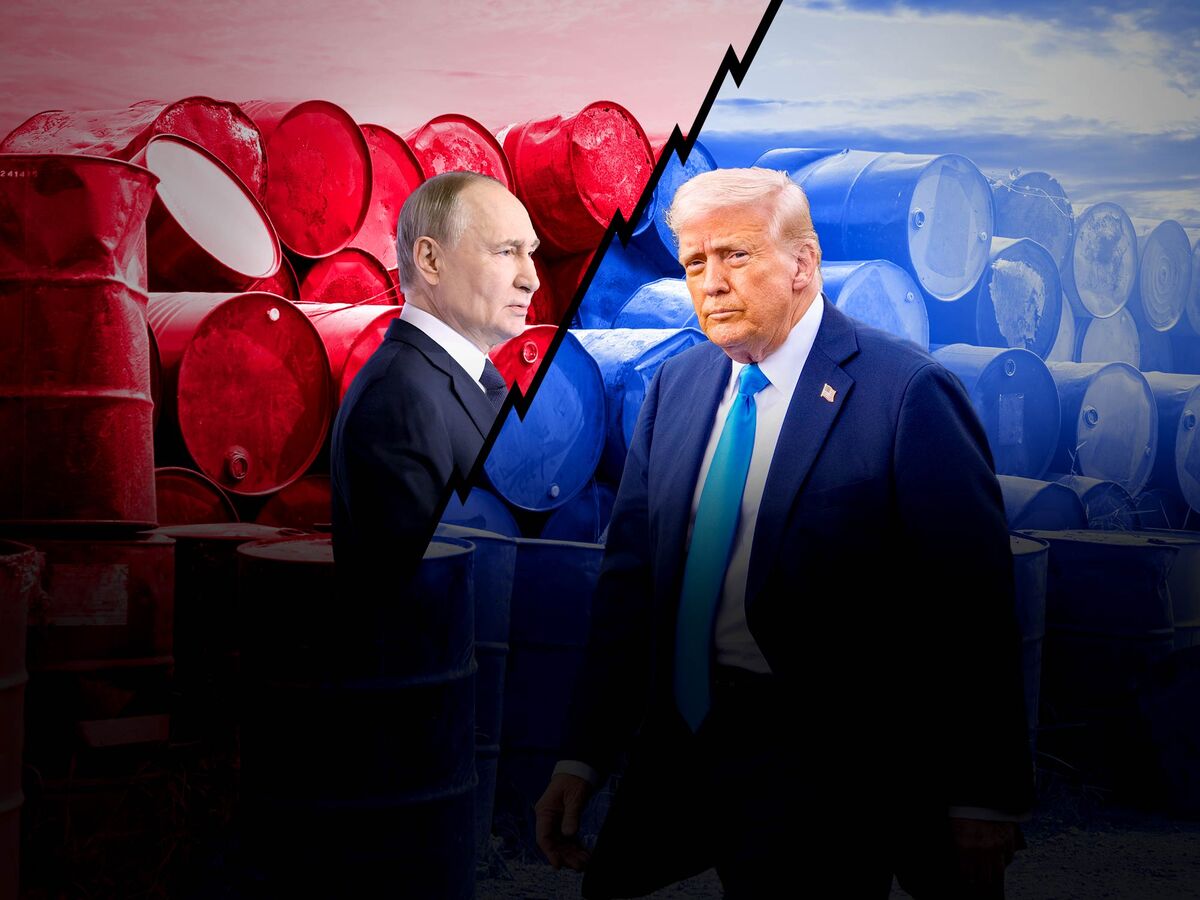
The U.S. and the European Union have introduced a new set of sanctions aimed at reducing Russia’s oil and gas export revenues, which help fund Moscow’s war in Ukraine.
More than three and a half years into the conflict, the situation remains a back-and-forth struggle. Russia continues to find ways to avoid the sanctions, while Washington and Brussels keep imposing new restrictions and searching for ways to strengthen enforcement.
The main focus of the latest sanctions is Russia’s largest oil companies, Rosneft and Lukoil. The U.S. Treasury warns that customers of these companies in India and China could face penalties themselves.
At the same time, the EU plans to stop imports of Russian liquefied natural gas by ship by the end of next year. The EU is also targeting cryptocurrency services that Russia uses to bypass financial restrictions.U.S. Treasury Secretary Scott Bessent said the move aimed to push Russian President Vladimir Putin to agree to President Donald Trump’s proposals for an “immediate ceasefire” in Ukraine.
Targeting Oil: The Backbone of Russia’s State Revenue
Rosneft and Lukoil make up about half of Russia’s oil exports. Over the past decade, oil, natural gas, and oil products have provided between 30% and 50% of Russia’s state revenue. The largest buyers of Russian oil are China, which imports around 2.1 million barrels per day, and India, which imports about 1.5 million barrels per day.
Refineries in India and China that process Russian oil into gasoline and diesel could face U.S. sanctions if they continue dealing with these companies. Their banks might also be targeted.
Maria Perrotta Berlin, a sanctions expert at the Stockholm Institute of Transition Economics, said, “Being hit by U.S. sanctions, even secondary ones, is like a death sentence for private businesses.”
Because of this, India’s major refinery, Reliance Industries’ Jamnagar facility, may reconsider its imports of 600,000 barrels of Russian crude daily and is “likely to halt or pause” shipments, according to Johannes Rauball, senior crude oil analyst at Kpler. Unsold Russian oil could be stored or sold at a discount to other buyers, putting Russia in a difficult position.
Following these developments, U.S. oil prices rose by 5% to $61.44 per barrel on Thursday, and the international benchmark Brent increased by 4.7% to $65.52. A U.S. Treasury spokesperson, speaking anonymously to preview the sanctions, said the new measures are not expected to significantly affect energy costs for American consumers, and prices are expected to remain stable.
Chris Weafer, CEO of Macro-Advisory Ltd., noted that the biggest takeaway is former President Trump’s willingness to add sanctions on top of those imposed by the Biden administration.
“This is the first set of sanctions from President Trump after his return to the White House,” Weafer said. “The concern now is that if he becomes dissatisfied with progress regarding Russia, he may impose increasingly severe sanctions.”
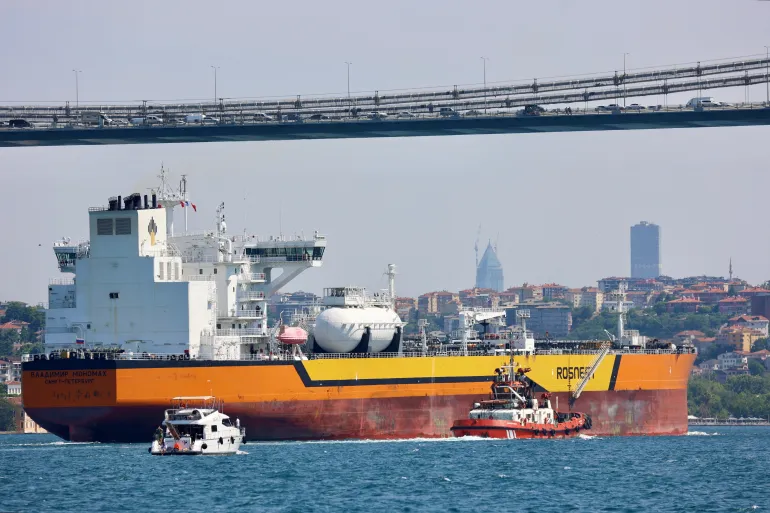
Meanwhile, the European Union has also added sanctions on Rosneft and targeted 117 additional tankers believed to be part of Russia’s “shadow fleet,” which is used to bypass a Western-imposed price cap on Russian oil, bringing the total number of sanctioned vessels to 557.
The sanctions don’t take effect until Nov. 21, a grace period that gives traders a chance to wind down business with Rosneft and Lukoil — but also provides a chance for Russia to make more money in the short term.
“You can be sure that every oil buyer in Asia today is trying to find anything that floats that they can buy Russian oil before that sanction kicks in,” Weafer said.
The White House may also be hoping Russia will engage in serious talks, enabling suspension of the sanction.
Sanctions have significantly impacted Russia’s oil and gas revenues. The European Union’s decision to halt most imports of Russian seaborne oil and Russia’s reduction of natural gas shipments have contributed to this decline. Despite these challenges, Russia has spent billions to create a “shadow fleet” of older tankers to continue exporting oil to Asia, circumventing a $60 price cap imposed by the Group of Seven democracies. This cap aims to limit Russia’s oil earnings without disrupting global oil markets, enforced by prohibiting Western insurers and shippers from handling oil priced above the cap.
According to sanctions expert Maria Perrotta Berlin, Russia has lost approximately $100 billion in oil and gas sales since the onset of the war. Additionally, sanctions have increased the costs of imported goods and deprived Russian companies of essential items like computer chips, which are vital for both civilian and military production. Nevertheless, Russia reported $189 billion in oil exports in 2024 and $154 billion in 2025, as per the Kyiv School of Economics Institute.
Putin shows no inclination to bend
Russia’s economy has slowed this year, and the government’s oil revenues have dropped due to lower global oil prices. However, the unemployment rate remains low because military spending on weapons and recruitment bonuses keeps factories busy. President Putin, who called the sanctions an “unfriendly act” on Thursday, currently has enough funds to continue the war and shows no sign of agreeing to a ceasefire.
One reason is that Putin took steps after Russia’s illegal annexation of Crimea in 2014 to make the economy more resistant to sanctions and less dependent on imports. Russia also saved oil and gas earnings in a national wealth fund before the war, using it to help manage budget shortfalls.
Jeremy Paner, a former U.S. Treasury sanctions investigator, said Washington’s next move might be to target Indian and Chinese buyers of Russian oil, or middlemen involved in Russian energy sales.
“The goal of these sanctions isn’t to stop the war but to encourage serious commitment to peace talks,” Paner said.
Western governments, worried about rising fuel prices for their citizens, were initially hesitant to stop Russian oil imports. It took nearly a year after the 2022 invasion for the EU to end most Russian seaborne oil shipments. The price cap was announced months before it started, giving Russia time to prepare ways to avoid it.
Many of these measures were put in place slowly and step-by-step, allowing Russia to adjust and respond,” said sanctions expert Maria Perrotta Berlin.
She added, While more could have been done, the sanctions have still made a significant impact. Continuing to target fossil fuels is very important and necessary