The Israeli army has continued to violate the ceasefire despite a US announcement in January that the deal’s second phase had begun.
At least 21 Palestinians killed in Israeli strikes across Gaza despite ceasefire
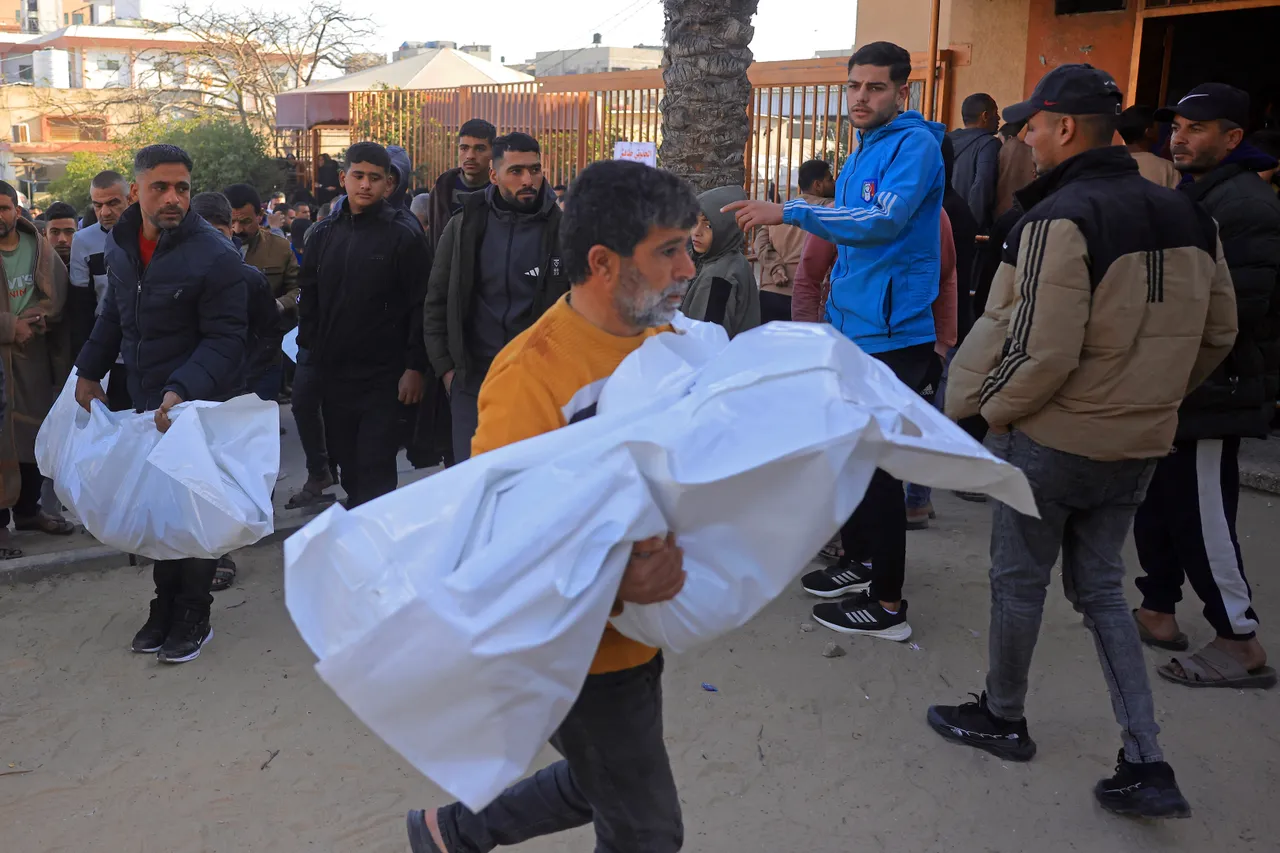
At least 21 Palestinians, including women and children, were killed and others injured early on Wednesday by Israeli strikes targeting displacement tents, a house and a gathering of civilians in Gaza despite a ceasefire agreement in the enclave, medical sources said.
The Palestine Red Crescent Society said two people, including a paramedic, were killed and 12 others wounded in shelling that targeted the area around Street 5 in the al Mawasi area of Khan Younis in southern Gaza.
The wounded were taken to the Red Crescent’s field hospital in al Mawasi, the organisation added.
Medical sources, however, said the death toll in the attack rose to three.
Local sources said the casualties were reported after an Israeli helicopter struck a tent housing displaced people in al Mawasi. As ambulance crews moved to evacuate the wounded, an Israeli drone then targeted the rescue team.
Nasser Hospital said that it had received the bodies of three people killed in Israeli artillery fire that targeted homes in the Qizan Rashwan area south of Khan Younis, an area outside Israeli military occupation.
In Gaza City, four Palestinians were killed and others wounded in heavy Israeli shelling that hit homes along Yaffa Street, al Sikka Street and al Hajar Street in the al Tuffah neighbourhood east of the city, also outside Israeli-occupied areas, medical sources said.
Al Shifa Hospital also received the bodies of two women and a girl after Israeli forces shelled a tent in the al Mahatta Park area of the al Tuffah neighbourhood, medical officials said.
Two elderly people and a child were also admitted to the same hospital after Israeli artillery targeted the Street 10 area in the al Zeitoun neighbourhood in southeastern Gaza City, according to hospital officials.
The Israeli army has continued to violate the ceasefire deal despite the US administration’s announcement in January that the second phase of the deal had begun. That phase includes additional Israeli withdrawals from Gaza and the launch of reconstruction efforts, which the UN estimates will cost about $70 billion.
The ceasefire was supposed to end Israel’s genocidal war that began in October 2023, and lasted two years, killing nearly 72,000 Palestinians and wounding over 171,000 others, while destroying about 90 percent of Gaza’s infrastructure.
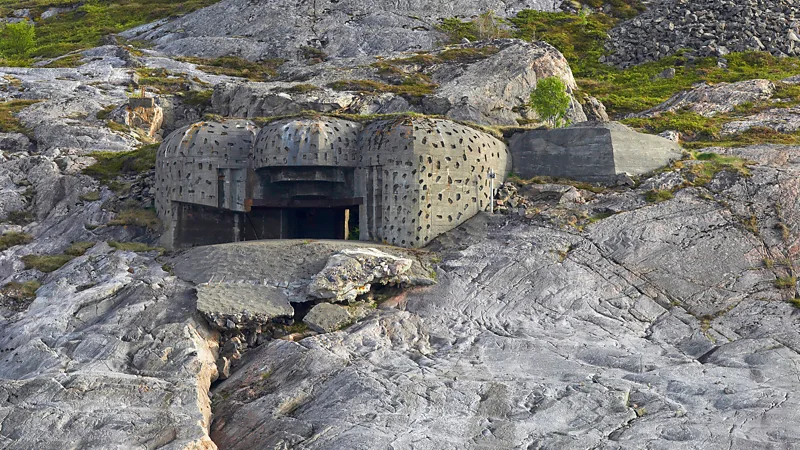
Why are these huge bunkers needed today? The Soviet Union – the reason they were built in the first place – no longer exists. Does it really make sense to pour money into such expensive structures?
In the publicity shots for the reactivation of Bardufoss hangars, the Lockheed Martin fighter – the F-35 Lightning II – perches menacingly like a bird of prey under the spot lights of the hangar’s arched roof. Opened in 1938, the air station was once used by German fighters protecting the giant battleship Tirpitz while it was anchored in a nearby fjord.
After the war, the Royal Norwegian Air Force then used its mountain hangars to protect its fighter planes from a possible Soviet attack. These hangars included everything the planes and their pilots needed, such as fuel storage, weapon storage, space for maintaining the aircraft systems, and crew areas. Then around 40 years ago it was closed down and mothballed.
Now, Bardufoss looks like it may be needed once more.
The role of the reactivated base which has had structural and equipment upgrades is to help the “resilience and survivability” of Norway’s F-35s in the face of a Russian attack. The Russian invasion of Ukraine has shown the world how vulnerable expensive military aircraft like these $80m–$110m (£64m to £80m) F-35s can be when on the ground, particularly to attacks by “kamikaze” drones that can cost as little as $300 (£230).
Instead of placing tyres on wings or constructing hangars out of wire mesh, as the Russians have done in Ukraine, the drone threat can be limited by dispersing targets to many different locations, or, even better, by keeping the aircraft safe in hardened shelters – the hardest of which is a mountain.
All it takes is one look at the map to explain why Olavsvern naval base was built. Located close to where the Norwegian Sea meets the Barents Sea, the 400 miles (650km) or so between Norway’s coastline, Bear Island and Svalbard is sometimes called “the Bear Gap” because this was, and still is, a choke point for Russian submarines and warships hearding out to the Atlantic.