Efforts to confront the legacy of Jeffrey Epstein are facing fresh obstacles in the United States.
New roadblocks slow US reckoning over Epstein as Europe races ahead
Deputy Attorney General Todd Blanche pledged last month that the Justice Department was not protecting anyone — least of all Donald Trump.
Those assurances by the president’s former personal lawyer are facing new scrutiny following remarkable developments in the Jeffrey Epstein scandal.
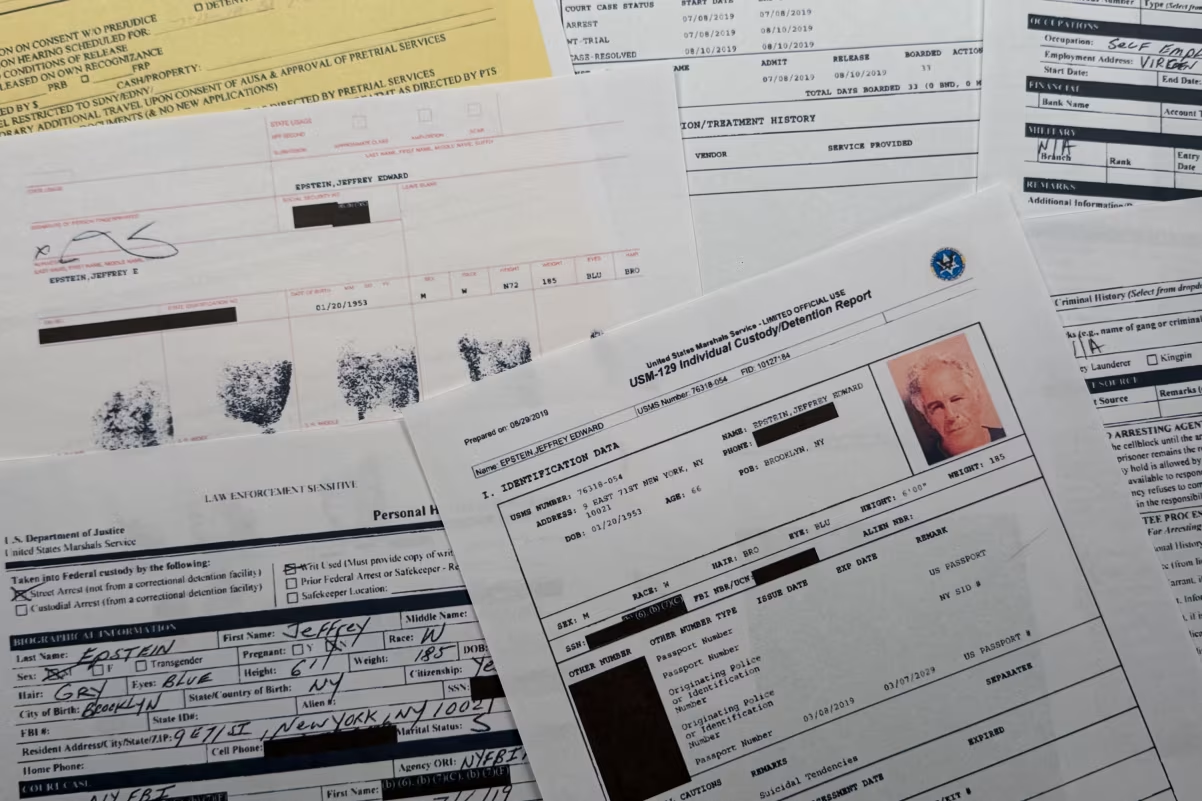
Intrigue deepened after lawmakers emerged perplexed after being given the chance to read unredacted versions of blacked-out investigative files previously released to the public in massive document dumps compelled by Congress.
“We didn’t want there to be a cover-up, and yet what I saw today was that there were lots of examples of people’s names being redacted when they were not victims,” Maryland Democratic Rep. Jamie Raskin said.
The lawmakers started inspecting the documents at the DOJ on a day of broadening fallout from a scandal that has blown the lid off the late sex offender’s stunning global network of billionaires and powerbrokers.
While new concerns surfaced over the DOJ’s handling of the files and the case more generally, the push for accountability raced ahead in Europe, where the political careers and reputations of powerful people are in shreds.
And suspicions among survivors that their long quest for justice is being impeded yet again were reinforced by an extraordinary offer made to Trump by a lawyer for Epstein’s jailed associate Ghislaine Maxwell. The gist was this: Grant clemency to Maxwell, a convicted sex trafficker, and she’ll put the president in the clear.
Lawmakers who were able to see some unredacted copies of the Epstein files did not directly accuse the DOJ of a cover-up. But their findings will only fuel mistrust among many of their colleagues and the public about its handling of the case. This is especially so since the names of many people linked to Epstein were redacted in public disclosures, while the names of some victims were visible.
Democratic Rep. James Walkinshaw demanded answers. “I can say that I saw many names, including names in emails to and from Jeffrey Epstein, that suggests these individuals were involved in crimes or at least knew about crimes,” the Virginia lawmaker told CNN’s Erin Burnett. “And again, I’m not able to explain why they were redacted in a way that’s consistent with the law.”
Raskin said the department hadn’t explained why certain redactions were made, but that he saw “a whole bunch of them that seemed very suspicious and baffling to me.”
Democratic Rep. Jared Moskowitz told reporters he’d seen “lots of names, lots of co-conspirators and they’re trafficking girls all across the world.”
DOJ was supposed to limit redactions to the personal information of victims and materials that would jeopardize an active criminal investigation. And Congress has not yet received a privileged log from DOJ explaining why certain redactions were made, which DOJ is compelled to provide 15 days after its January 30 release of documents.
The experience of lawmakers means an even tougher reception for Attorney General Pam Bondi when she testifies to the House Judiciary Committee on Wednesday. Many Democrats already believe that her department, whether by design or omission, is failing to honor the Epstein Files Transparency Act passed after a GOP revolt against Trump last year.
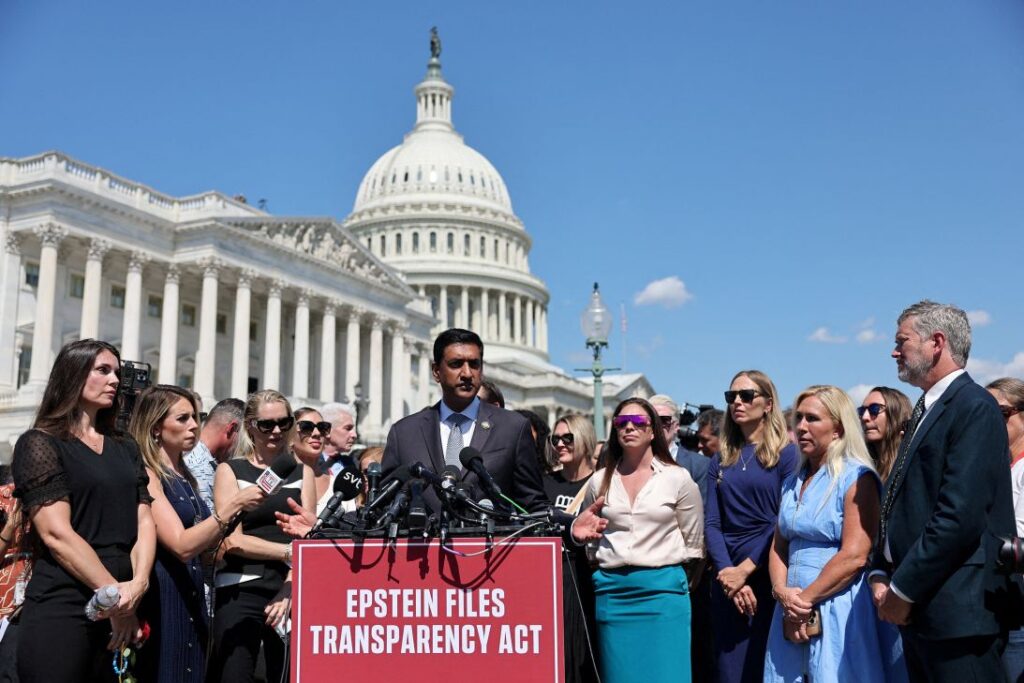
The law’s authors, California Democratic Rep. Ro Khanna and Republican Rep. Thomas Massie of Kentucky, expressed disappointment with the DOJ.