Ukraine is intensifying its appeal to the United States and its Western allies for additional Patriot air defense interceptors as Russia continues its campaign of missile and drone strikes against cities across the country.
Ukraine Seeks More U.S. Patriot Interceptors as Bomb Shelter Probe Exposes Wider Civilian Protection Crisis
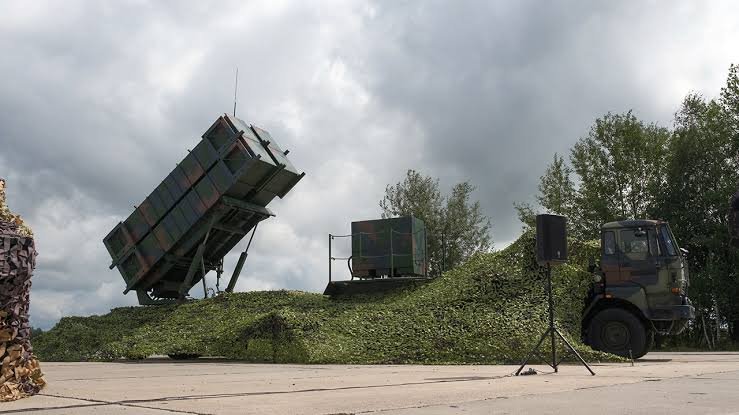
The renewed requests for Patriot missile interceptors come as Ukrainian officials seek to strengthen defenses against increasingly sophisticated Russian ballistic missiles, cruise missiles, and long-range drones targeting residential neighborhoods, critical infrastructure, and energy facilities.
Growing Demand for Patriot Missiles
The Patriot air defense system has become one of Ukraine’s most valuable defensive assets since it was first supplied by Western partners. The system has demonstrated its effectiveness in intercepting advanced ballistic missiles that many other air defense platforms struggle to counter.
However, Ukrainian officials have repeatedly emphasized that while Patriot launchers remain operational, the availability of interceptor missiles is becoming an increasingly pressing issue. Continuous Russian attacks have forced Ukraine to use large numbers of interceptors to protect major cities and strategic infrastructure.
Military analysts note that replenishing interceptor stocks is essential because modern missile defense systems are only as effective as the ammunition available to operate them.
Officials in Kyiv continue to urge Washington and European allies to accelerate deliveries of additional interceptors while exploring broader international cooperation to increase production capacity.
Russian Air Campaign Continues
Russia has maintained a sustained campaign of aerial attacks throughout the conflict, frequently launching coordinated waves of missiles and drones designed to overwhelm Ukrainian air defenses.
The attacks often target:
- Civilian residential areas
- Power generation and distribution facilities
- Transportation infrastructure
- Industrial sites
- Military installations
Although Ukraine’s layered air defense network has intercepted a significant percentage of incoming threats, authorities acknowledge that no defense system can guarantee complete protection, especially during large-scale attacks involving multiple missile types.
Bomb Shelter Investigation Raises Alarm
While Ukraine focuses on strengthening its air defenses, a separate investigation into the country’s bomb shelter network has exposed serious shortcomings in civilian preparedness.
Authorities have launched inspections into shelters across multiple regions following reports that some facilities were:
- Locked during emergencies
- Poorly maintained
- Lacking basic supplies
- Structurally inadequate
- Inaccessible to elderly or disabled residents
The investigation seeks to determine whether local authorities failed to maintain shelters according to national civil defense regulations.
Former Official Warns of Broader Crisis
A former Ukrainian official familiar with civil protection policies said the country’s civilian safety challenges extend far beyond obtaining more Patriot missiles.
According to the former official, focusing solely on advanced military systems risks overlooking weaknesses in emergency preparedness at the local level.
The official described some situations involving bomb shelters as “scandalous,” arguing that civilian protection requires functioning emergency infrastructure, regular inspections, proper maintenance, trained personnel, and public awareness in addition to effective air defenses.
Experts say that even the world’s most advanced missile defense systems cannot intercept every incoming threat, making accessible shelters a critical last line of protection for civilians.
Civilian Safety Under Pressure
Since the beginning of the war, millions of Ukrainians have relied on underground shelters, metro stations, basements, and reinforced public buildings during repeated air raid alerts.
However, the prolonged conflict has placed enormous strain on local governments responsible for maintaining these facilities.
Some municipalities have invested heavily in upgrading shelters with improved ventilation, backup power, communications equipment, medical supplies, and sanitation facilities. Others, however, reportedly face budget constraints and logistical challenges that have delayed repairs and modernization efforts.
International Support Remains Critical
Ukraine continues to receive military assistance from the United States, NATO members, and other international partners, including air defense systems, radar equipment, armored vehicles, artillery ammunition, and training support.
Defense analysts believe future assistance will likely focus on both expanding Ukraine’s air defense capabilities and improving resilience against continued long-range attacks.
Many experts argue that protecting civilians requires a comprehensive approach combining:
- Advanced missile defense systems
- Reliable bomb shelters
- Effective emergency response services
- Early warning systems
- Public preparedness programs
- Infrastructure resilience
Looking Ahead
As Russian aerial attacks continue, Ukraine faces the dual challenge of securing additional Patriot interceptor missiles while addressing weaknesses in its civil defense network.
The ongoing bomb shelter investigation is expected to identify deficiencies requiring urgent action by local authorities. Meanwhile, Kyiv continues diplomatic efforts to secure further military assistance from Western allies, emphasizing that protecting civilian lives depends on both effective air defenses and reliable emergency infrastructure.
The developments underscore that modern warfare demands not only advanced military technology but also robust civilian protection systems capable of safeguarding communities during prolonged conflict.