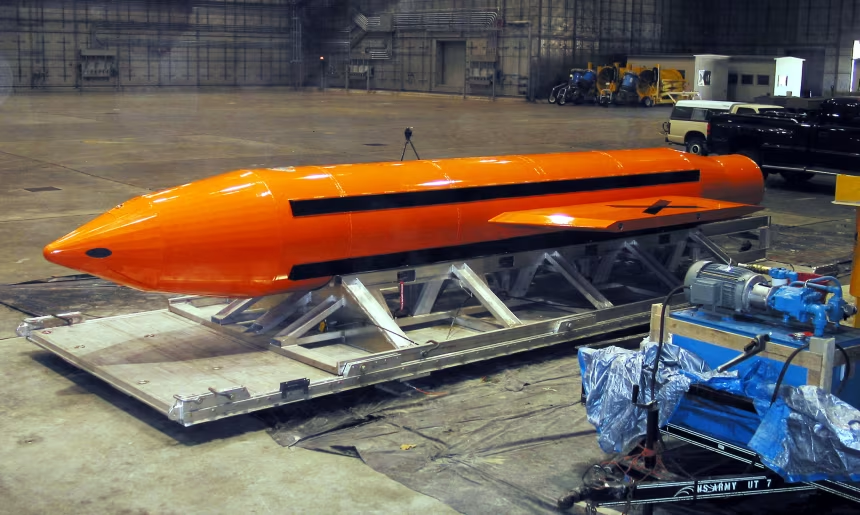
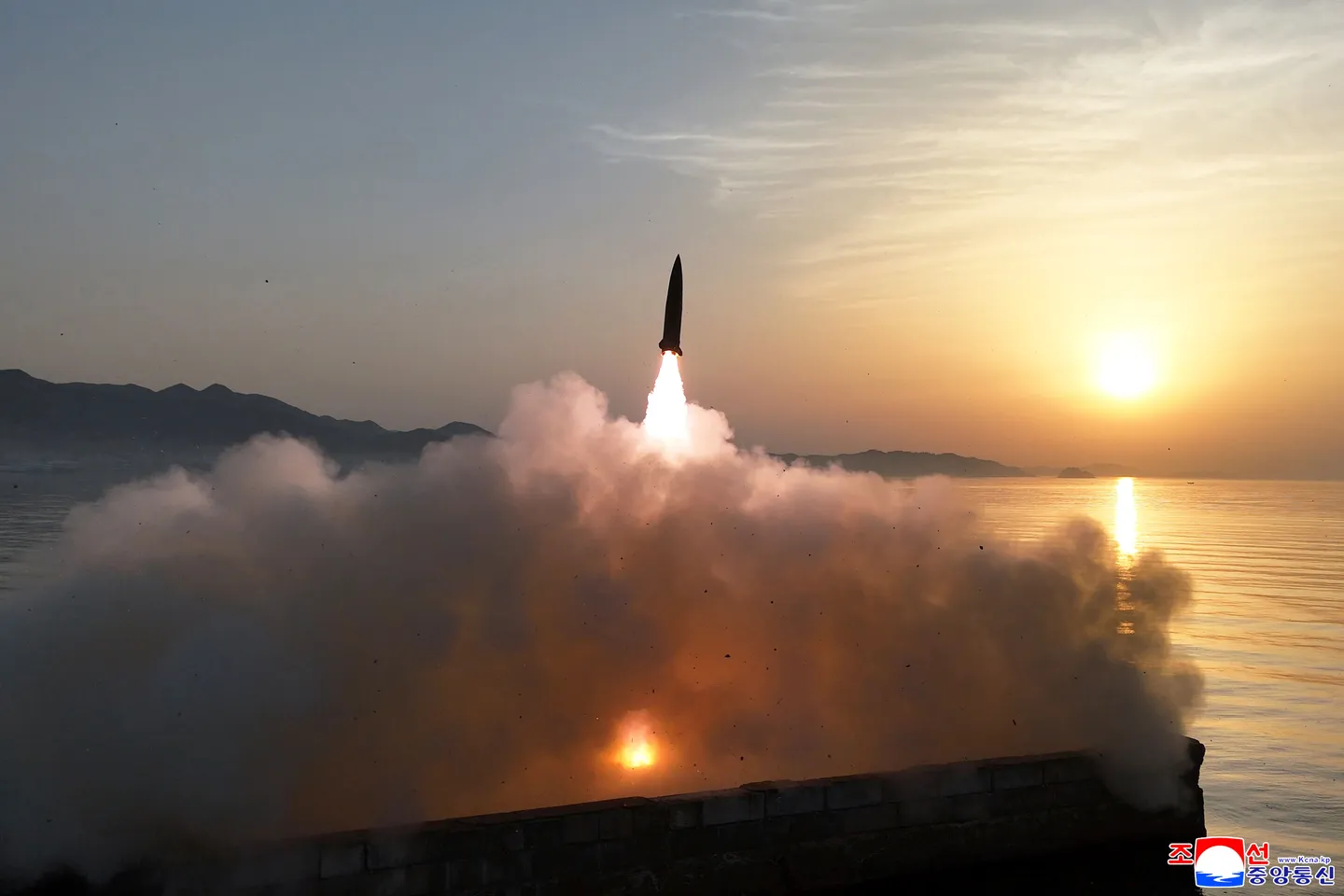
The war between Iran, Israel and the United States has entered a prolonged and increasingly dangerous phase.
War Returns to Iran as Israel and US Intensify Military Strikes
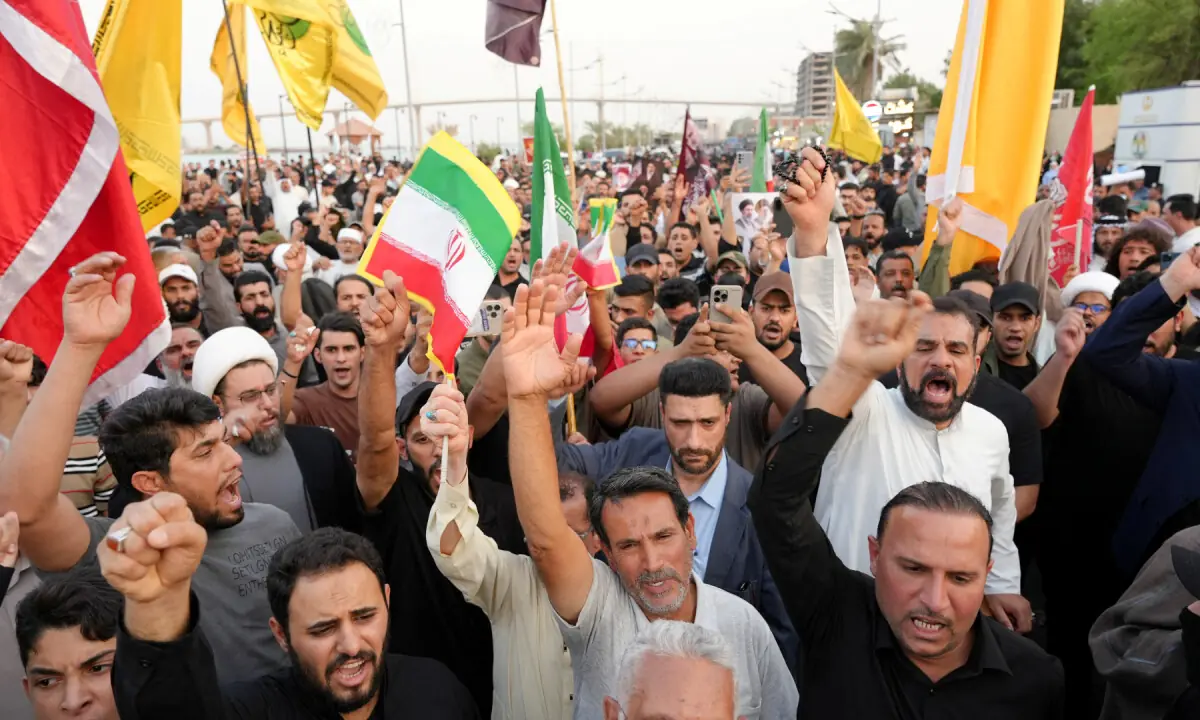
The conflict began with major U.S. and Israeli strikes against Iran in February and has since developed into a wider regional confrontation. Despite attempts at diplomacy and a temporary ceasefire, hostilities have continued, while both sides have maintained pressure on the other.
Iran Under Sustained Military Pressure
Iran has suffered extensive damage to its military infrastructure and leadership during the conflict. U.S. and Israeli operations have targeted Iranian military and nuclear capabilities, while Tehran has continued to rely on missiles, drones and asymmetric tactics in response.
U.S. officials have argued that the military campaign significantly weakened Iran’s conventional and nuclear capabilities. At the same time, recent developments demonstrate that Tehran retains the ability to threaten U.S. and allied interests across the region.
Iranian officials have also been preparing for the possibility of renewed large-scale American attacks. Reuters reported that Iranian commanders have considered expanding potential targets beyond U.S.-linked assets in the Middle East if Washington resumes major bombing operations.
Washington Demands Changes to Iran’s Nuclear Programme
The central dispute remains Iran’s nuclear programme.
U.S. Vice President JD Vance said in an interview with Reuters that Washington expects Iran to make a significant reduction in its uranium-enrichment capacity before a lasting agreement can be reached. The United States has rejected assurances alone and is demanding concrete limitations on Iran’s enrichment activities.
The diplomatic process has already suffered setbacks. A provisional agreement reached in June collapsed, leaving both sides without a durable framework for ending the fighting.
U.S. President Donald Trump has also indicated that Washington could consider renewed bombing operations, while Iran has continued pushing for conditions including an end to hostilities, the reopening of the Strait of Hormuz and sanctions relief.
Iran’s Leadership Faces Uncertainty
Another major issue is uncertainty surrounding political decision-making in Tehran.
Trump said on October 6 that there was uncertainty over who was running Iran. The issue has become particularly significant following the killing of Supreme Leader Ayatollah Ali Khamenei during the conflict, according to Reuters reporting. Iranian officials, however, have rejected the suggestion that the country’s leadership structure is unclear and have accused Washington of sending contradictory messages.
The uncertainty could further complicate negotiations, particularly if different Iranian institutions and military leaders have competing positions over whether to continue fighting or pursue another diplomatic agreement.
The Strait of Hormuz Becomes a Major Flashpoint
The conflict is also having consequences far beyond Iran and Israel.
The Strait of Hormuz, one of the world’s most important energy routes, has become a major strategic pressure point. Attacks and disruptions involving regional energy infrastructure have contributed to tighter global oil supplies.
The U.S. Energy Information Administration has raised its oil-price forecasts, projecting Brent crude to average around $105 per barrel during the fourth quarter of 2026. It also reported exceptionally tight diesel supplies and record U.S. retail diesel prices in September.
Any prolonged disruption around the Strait of Hormuz could therefore affect fuel prices, shipping costs and inflation well beyond the Middle East.
Conflict Spreads Across the Region
The war has also increased the risk of attacks involving Iran-aligned groups.
The Houthis in Yemen have continued military operations against regional targets, while Saudi Arabia has reported intercepting missiles and drones. On October 7, 2026, the Houthis claimed attacks against Saudi military facilities and airports, adding another layer to an already complicated regional conflict.
Iran has also demonstrated its ability to use asymmetric tactics, including drones and attacks against maritime targets. A U.S. military position in Kuwait was previously struck by an Iranian drone, killing six American soldiers and injuring dozens.
A Conflict With Global Consequences
The Iran war is no longer simply a confrontation between three countries. Its effects are being felt across the Gulf, Yemen and global energy markets, while the United States continues to maintain a significant military presence in the region.
The conflict also presents a difficult diplomatic challenge. Washington wants major restrictions on Iran’s nuclear programme, while Tehran is seeking an end to military operations, sanctions relief and the reopening of vital trade routes.
For now, neither side appears to have reached a compromise capable of ending the conflict permanently.
As the war continues, the biggest questions remain whether diplomacy can prevent another escalation, whether Iran’s remaining military capabilities can sustain prolonged resistance, and how far the conflict could spread if negotiations collapse completely.
The immediate battlefield may be in Iran and the wider Middle East, but the consequences are increasingly global — particularly for energy prices, international security and the stability of the region.