Israeli airstrikes struck southern Lebanon on Tuesday, leaving at least eight people injured despite an existing ceasefire arrangement.
Israel Holds Remains of Around 1,700 Palestinians for Potential Future Exchanges: Report
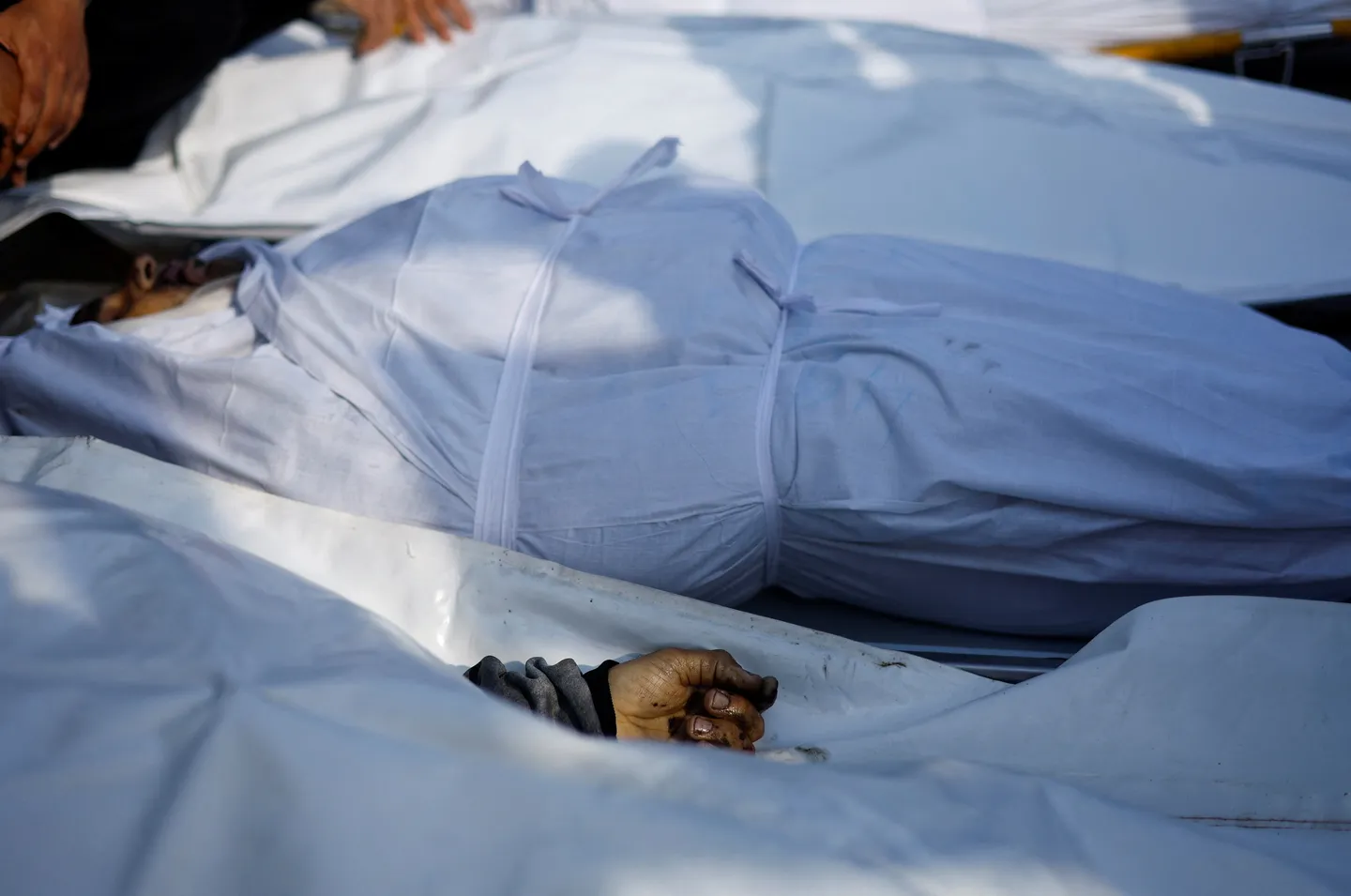
The figure emerged during recent discussions within Israel’s security establishment, with two sources familiar with the matter telling the newspaper that Israeli authorities are retaining the bodies in case they could be used in a future exchange.
According to the report, Shin Bet chief David Zini supports maintaining custody of the remains as a precautionary measure should Israelis be taken captive or go missing in the future. The Israeli military reportedly supports the position as well.
Most of the remains are said to belong to Palestinians from the Gaza Strip who were involved in the October 7, 2023 Hamas-led attack on Israel or were killed during subsequent fighting.
The reported policy has raised questions among legal experts over the authority to retain human remains for potential future negotiations. Critics argue that holding bodies as bargaining tools raises significant legal and ethical concerns, particularly when there is no immediate exchange involving Israeli captives.
The issue of Palestinian remains has long been contentious. Families of Palestinians killed during conflicts and Israeli military operations have repeatedly called for the return of their relatives’ bodies so that they can conduct funerals according to their religious and cultural traditions.
Israel, meanwhile, has historically retained the remains of some Palestinians killed in attacks or fighting, at times linking their release to negotiations over Israeli prisoners, captives or missing persons.
The reported figure of approximately 1,700 represents a substantial number of Palestinian remains and highlights the continuing sensitivity surrounding the handling of bodies from the Gaza conflict and earlier confrontations.
The development comes amid broader disputes over the treatment of detainees, missing persons and human remains following years of Israeli-Palestinian conflict. The October 7 attack and the war that followed dramatically intensified those disputes, with both sides becoming involved in negotiations over hostages, prisoners and the return of remains.
The reported decision to retain Palestinian bodies for possible future exchanges also reflects Israeli security officials’ concern that additional Israeli captives or missing persons could emerge in a future escalation.
However, legal questions remain over whether human remains can lawfully be held as a form of leverage when no corresponding Israeli captives are currently being held. Legal experts cited in the report questioned the basis for such a policy and whether it complies with international humanitarian and human-rights principles.
For Palestinian families, the issue extends beyond politics and negotiations. The return and identification of remains can determine whether relatives are able to hold funerals, visit graves and obtain closure after years of uncertainty.
The reported policy therefore places the question of Palestinian remains at the intersection of security calculations, hostage diplomacy, international law and humanitarian concerns.
Neither the reported figure nor the circumstances surrounding every individual set of remains were independently established in the information provided. The claims were attributed to sources cited by Haaretz, and the Israeli authorities’ detailed response to the report was not included.
The issue is likely to remain politically sensitive as Israel and Palestinian groups continue to confront unresolved questions surrounding prisoners, missing people and the remains of those killed during the conflict.