U.S. President Donald Trump has ordered the Pentagon to substantially reduce American participation in joint military exercises with South Korea.
Trump Orders Major Cut to U.S.-South Korea Military Drills as North Korea Steps Up Missile Tests
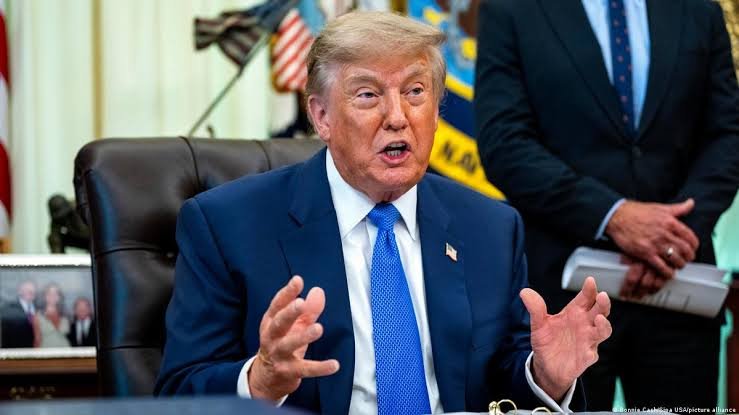
Trump’s directive came just as the allies were preparing for the annual Ulchi Freedom Shield exercise, a major combined military drill designed to strengthen their ability to respond to threats from North Korea. The exercise began on August 17 as scheduled, despite Trump’s call for a significant reduction in U.S. participation.
Trump Calls Drills Costly and Provocative
Trump has criticized the long-running exercises as expensive and argued that they send an unnecessarily hostile message to Pyongyang. He has also pointed to his personal relationship with North Korean leader Kim Jong Un, suggesting that reducing military drills could create space for renewed diplomacy.
The decision represents a return to Trump’s earlier approach of questioning the scale and cost of U.S.-South Korean military exercises.
North Korea Keeps Missile Pressure On
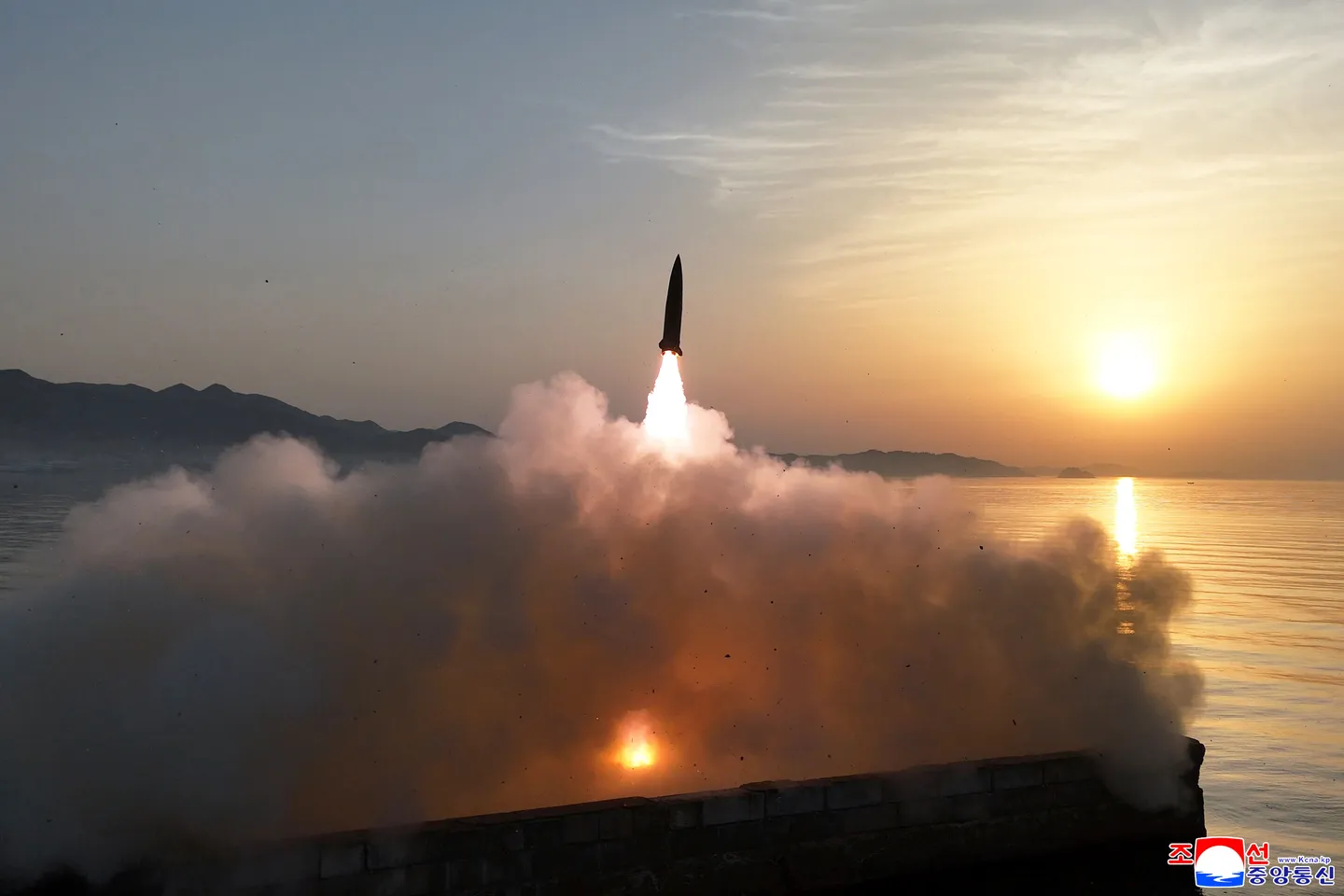
The announcement comes against the backdrop of North Korea’s continuing missile activity. Pyongyang recently launched a short-range ballistic missile, drawing condemnation from the United States, South Korea and Japan. North Korea has historically condemned the allied exercises as rehearsals for an invasion.
The timing has therefore raised questions over whether reducing exercises could weaken military readiness at precisely the moment North Korea is expanding its missile and nuclear capabilities.
Seoul Faces a Delicate Balancing Act
South Korea has reaffirmed the importance of maintaining its defence coordination with Washington while also expressing hope that Trump’s decision could help create an opening for dialogue with Pyongyang. The government has indicated that it remains open to diplomatic engagement aimed at reducing tensions on the Korean Peninsula.
At the same time, security analysts have warned that a significant reduction in joint training could affect operational readiness, interoperability and deterrence between U.S. and South Korean forces.
Why Ulchi Freedom Shield Matters
Ulchi Freedom Shield is designed to test the allies’ ability to respond to a broad range of security threats. The exercise incorporates live, virtual, constructive and field-based training and is intended to strengthen the combined defence posture of U.S. and South Korean forces.
The latest development therefore puts the spotlight on a difficult strategic question: Can Washington reduce military exercises to pursue diplomacy with Pyongyang without weakening deterrence against North Korea?
For now, the drills are proceeding, but Trump’s order has opened a new debate over the future shape of the U.S.-South Korea alliance—and whether military pressure or personal diplomacy will define Washington’s next move toward Kim Jong Un.