Iran has issued a fresh warning to Gulf states against facilitating U.S. military operations against Tehran.
Iran Warns Gulf States Against Supporting US Operations, Threatens Retaliation for Nuclear Attack
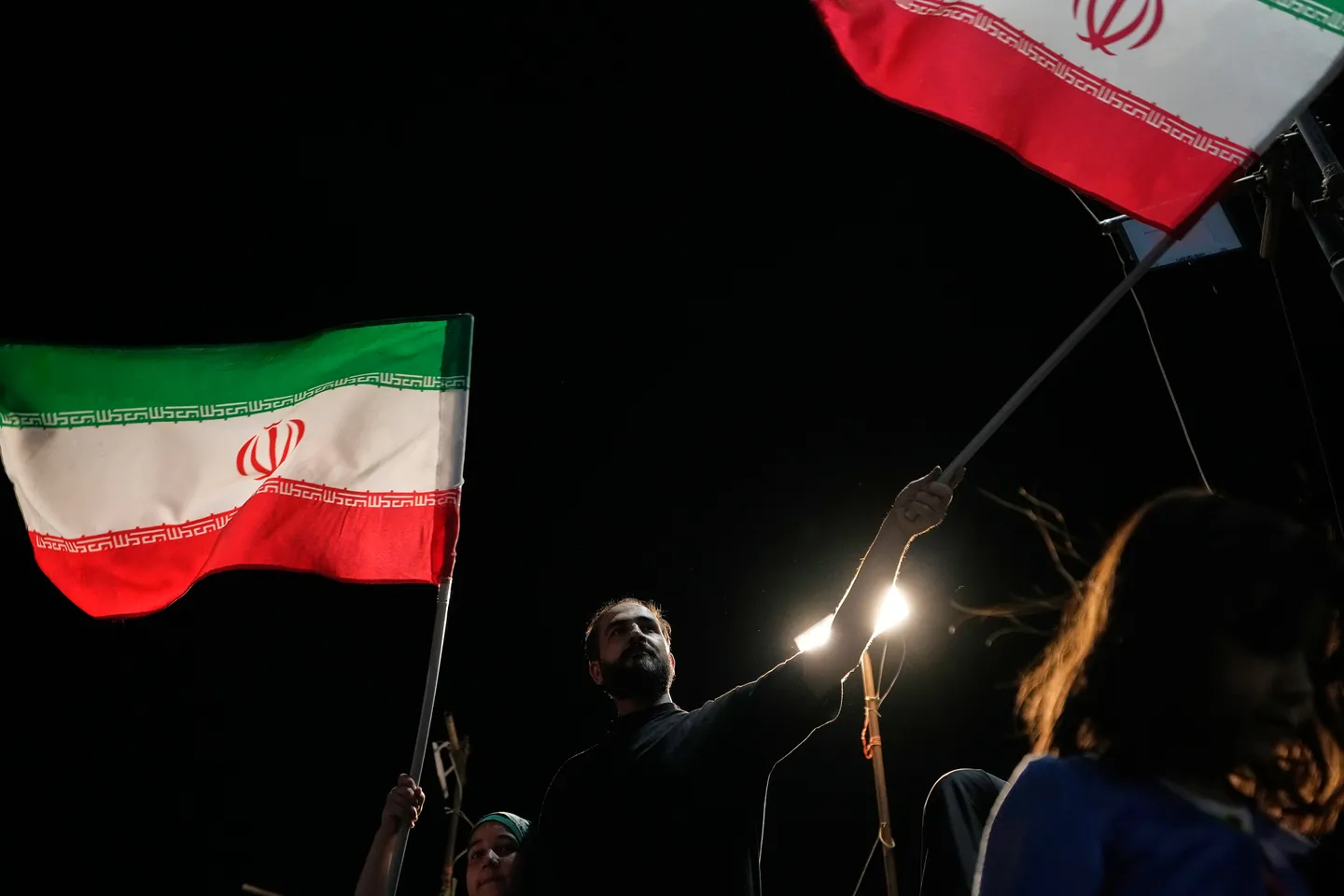
The warning comes as tensions between Iran and the United States remain extremely high, with diplomacy stalled and the Strait of Hormuz continuing to be a major flashpoint in the confrontation.
Iranian military officials said Gulf countries should avoid becoming directly or indirectly involved in U.S. military operations. General Abdollahi, an Iranian commander, warned southern Persian Gulf states against providing assistance to Washington or allowing their territory to be used for operations targeting Iran.
The message reflects Tehran’s broader effort to deter regional countries from supporting further American military action. Iranian officials have previously warned that participation in attacks on Iran could expose Gulf states and critical infrastructure to retaliation.
Tehran Issues Nuclear Warning
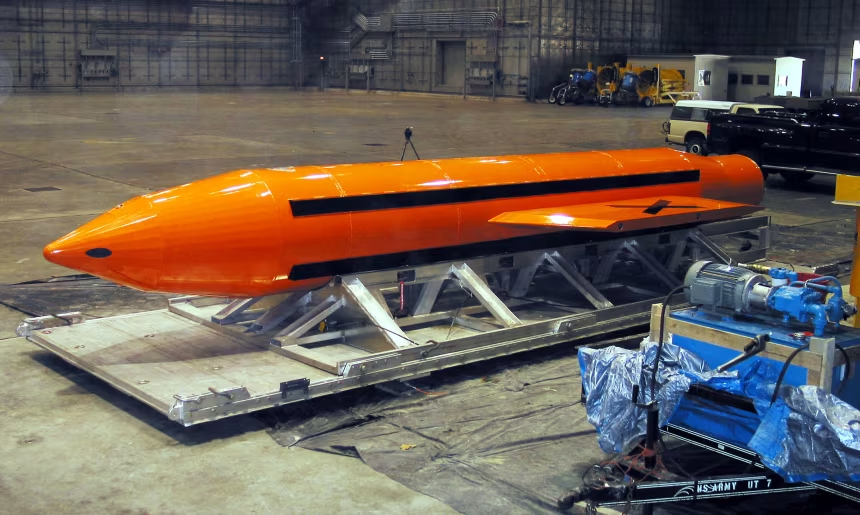
Separately, Iranian lawmaker Fada Hossein Maleki, a member of parliament’s National Security and Foreign Policy Commission, said Iran would respond in kind if the United States used a nuclear weapon against the country.
His comments were reported as part of a broader series of warnings from Iranian officials amid concerns that the conflict could escalate into an even more dangerous phase.
The statement does not necessarily indicate that Iran has adopted a formal nuclear retaliation policy. Rather, it represents a political warning that any use of nuclear weapons against Iranian territory would trigger an extremely severe response.
Gulf States Caught in the Middle
The warnings place Gulf governments in an increasingly difficult position.
Several Gulf countries host U.S. military personnel and facilities, while simultaneously attempting to prevent the wider regional conflict from spreading onto their territory.
Iran has argued that allowing American forces to use regional bases for attacks against Tehran would effectively make those countries participants in the war.
The United States, meanwhile, maintains important military infrastructure across the Gulf, making the region strategically central to any future confrontation with Iran.
Recent developments have already increased tensions between Tehran and Gulf capitals. The United Arab Emirates announced on Wednesday that it was suspending financial and economic transactions with Iran, citing security concerns following missile-related incidents. Iran has denied accusations that it launched the missiles reported by the UAE.
Strait of Hormuz Adds to the Risk
The warnings also come against the backdrop of the continuing crisis surrounding the Strait of Hormuz, one of the world’s most important energy corridors.
Iran has maintained that the waterway will remain closed until its demands are addressed, while Washington has insisted that the strait must remain open to international shipping. The disagreement has contributed to higher energy prices and increased fears of a broader regional economic shock.
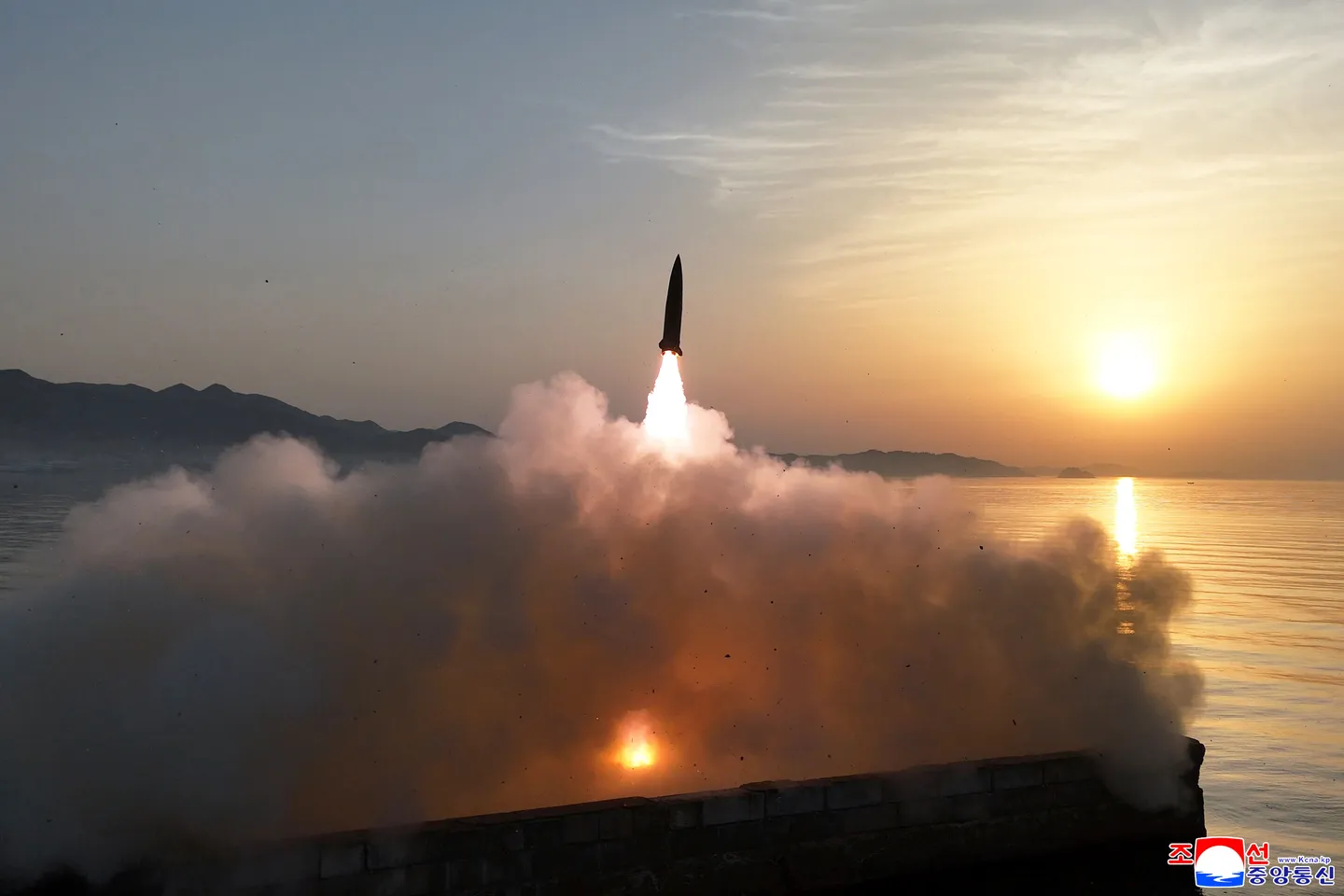
U.S.-Iran diplomatic efforts have also suffered setbacks. Tehran has threatened to adopt a more offensive military posture if negotiations fail, while Washington has rejected extending the existing ceasefire arrangement.
Risk of a Wider Regional Conflict
Iran’s latest warnings underline the central danger facing the Middle East: a direct confrontation between Washington and Tehran could quickly involve neighboring countries.
If Gulf states are perceived by Iran as facilitating American military operations, their bases, infrastructure or other strategic assets could become part of the confrontation. At the same time, any Iranian retaliation against Gulf territory could provoke additional military responses and widen the conflict.
That possibility has already generated concern among regional governments, which have repeatedly sought to prevent the confrontation from spreading.
For now, Iran’s message is clear: Tehran wants Gulf states to remain outside direct military operations against Iran and is warning that a nuclear attack would cross an exceptionally dangerous threshold.
With diplomacy stalled, the Strait of Hormuz under pressure and military threats continuing on all sides, the risk of further escalation remains high.