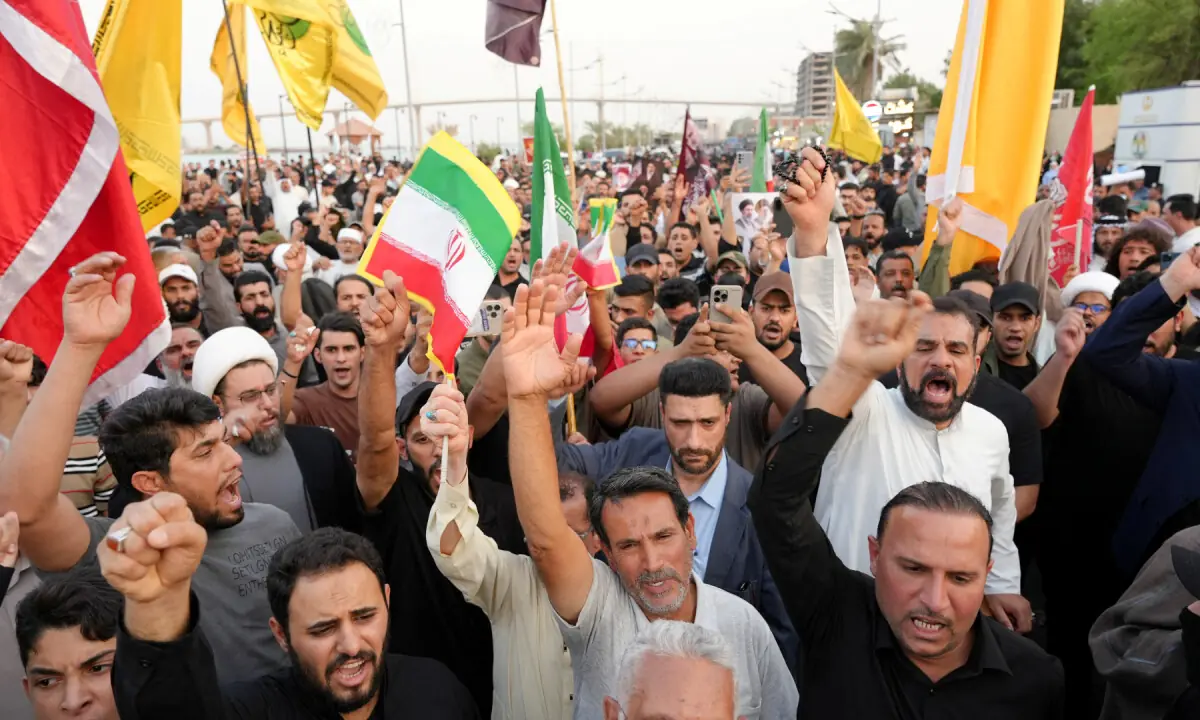
The devastating consequences of conflict continue to shape the lives of countless children across Lebanon.
Four-Year-Old’s Recovery Highlights Lasting Impact of War on Lebanon’s Children
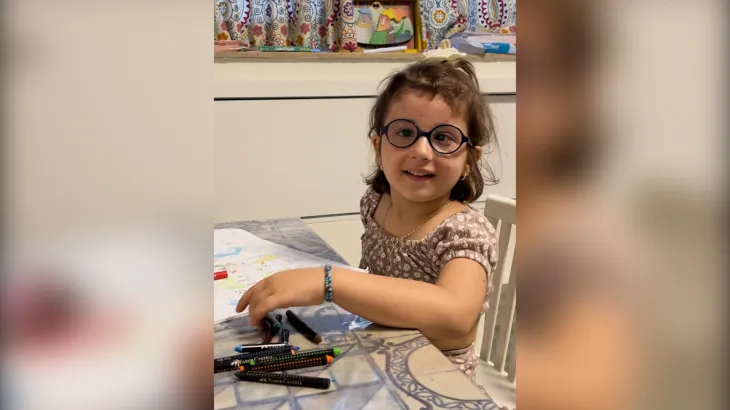
Malika was just four years old when her life changed forever during an Israeli attack that struck her community. The attack claimed the life of her mother, who made the ultimate sacrifice while trying to protect her daughter from falling debris. Shielding Malika with her own body, the young mother lost her life in the blast, while the child sustained severe injuries that required extensive medical treatment and rehabilitation.
In the aftermath of the attack, Malika faced a long and difficult journey toward recovery. Physical injuries were accompanied by deep emotional trauma, leaving the young girl struggling to understand the sudden loss of her mother and the violence that had shattered her childhood.
Medical professionals, relatives, and humanitarian organizations quickly stepped in to support her recovery. Among those providing assistance is the Ghassan Abu Sitta Children’s Fund, an organization dedicated to helping children affected by war and conflict. Through medical care, rehabilitation programs, and psychological support, the fund has played a significant role in helping Malika regain her strength and rebuild her life.
Family members describe Malika as a resilient child who continues to show remarkable courage despite the hardships she has endured. While the emotional scars of war remain, those close to her say she is gradually finding moments of happiness again through the support of loved ones and ongoing therapy.
Humanitarian workers emphasize that Malika’s experience is far from unique. Thousands of children across Lebanon have been exposed to violence, displacement, injury, and the loss of family members as regional tensions continue to fuel instability. Experts warn that the psychological effects of conflict on children can last for years, impacting their education, development, and overall well-being.
Organizations working with war-affected children stress the urgent need for continued humanitarian assistance, mental health services, and long-term recovery programs. They argue that while physical wounds may heal, the emotional consequences of conflict often remain long after the fighting ends.
For Malika, every small step forward represents both a personal victory and a symbol of hope. Her recovery serves as a testament to the resilience of children caught in conflict zones and underscores the importance of providing them with the care and support they need to heal.
As Lebanon continues to grapple with the aftermath of violence, Malika’s story stands as a poignant reminder that behind every statistic is a child whose future depends on the world’s commitment to peace, protection, and compassion.