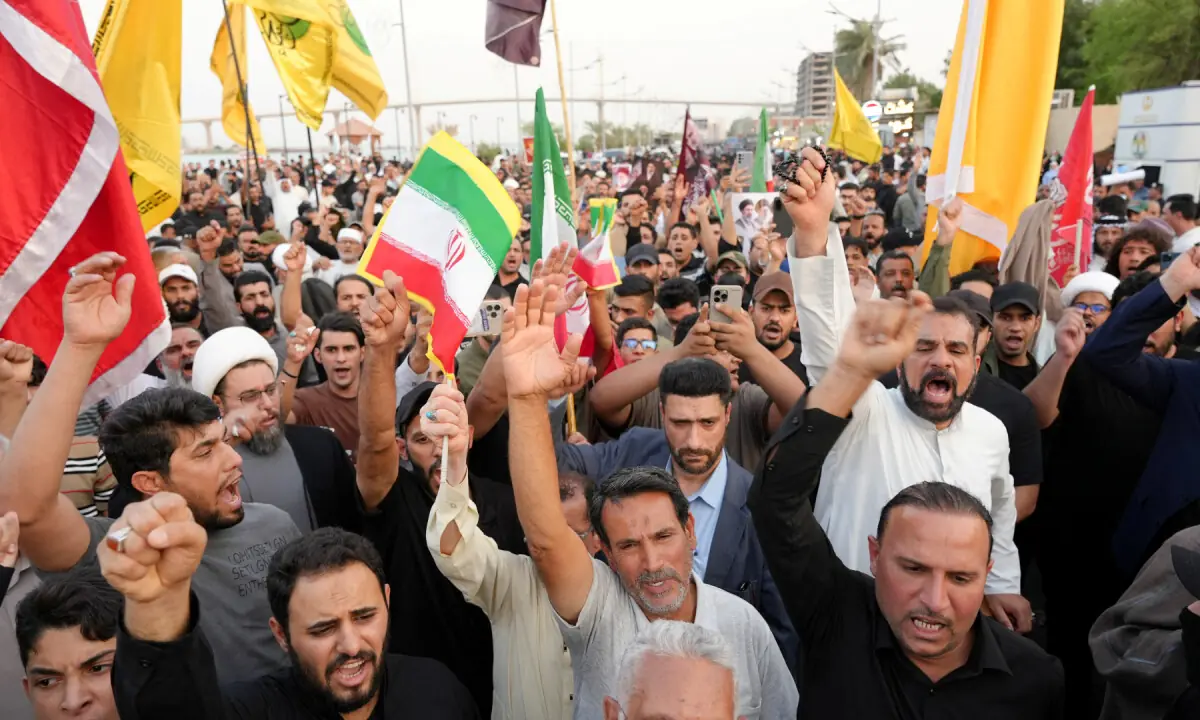
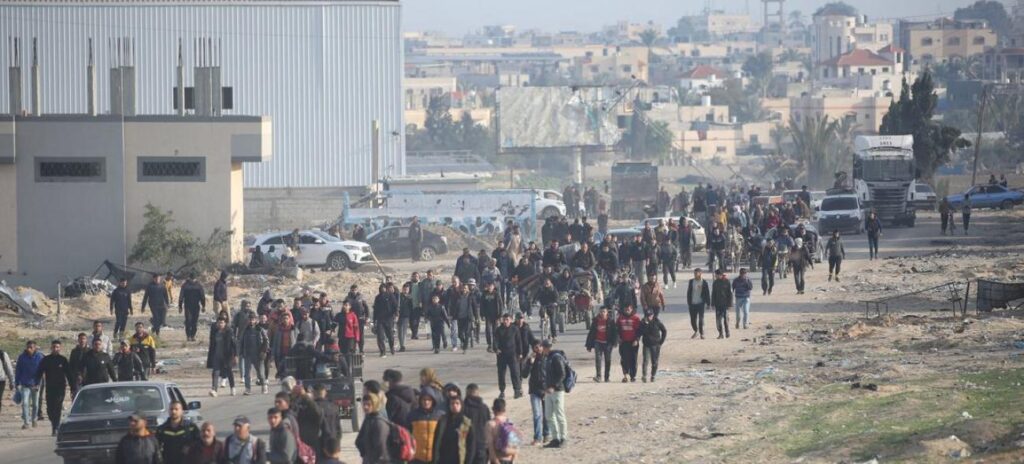
Humanitarian conditions remain dire as a fragile truce coincides with growing alerts over famine and continuing political uncertainty.
Israel kills Palestinian nearing Gaza ‘yellow line’, bombs north
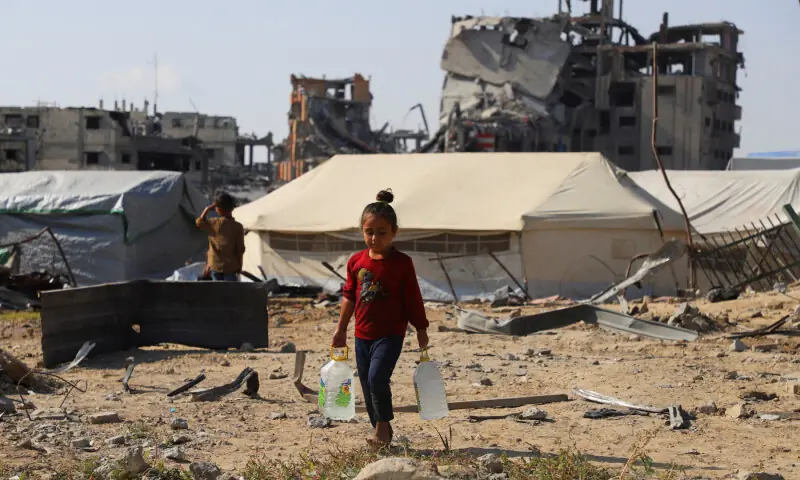
On 7 October 2023, Hamas carried out a series of coordinated attacks on Israeli communities near the Gaza perimeter, resulting in significant Israeli civilian and military casualties and the taking of hostages. In response, Israel launched an extensive and sustained aerial bombardment of the Gaza Strip, later expanding military operations across the enclave. This escalation marked the beginning of one of the most destructive phases of the long-running conflict.
In December 2024, both Amnesty International and Human Rights Watch issued reports concluding that Israel’s conduct in Gaza — including the scale of civilian casualties, the destruction of civilian infrastructure, restrictions on humanitarian aid, and documented patterns of military strikes — constituted genocide under international law. Their findings intensified international debate, with some governments disputing the characterization while others called for accountability measures at international courts.
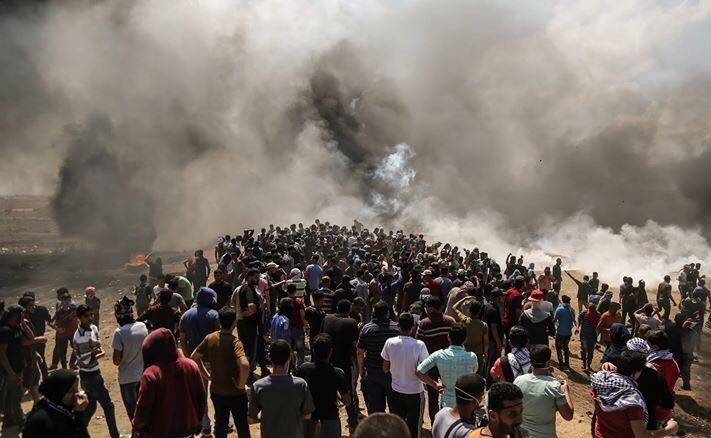
By August, the Integrated Food Security Phase Classification (IPC) formally declared a Phase 5 famine in Gaza City and surrounding areas. According to the declaration, the famine resulted from near-complete supply blockages, the collapse of food systems, widespread displacement, and the inability of humanitarian agencies to safely deliver aid despite repeated warnings. The IPC designation marked the fifth official famine declaration in its global history, highlighting the severity of Gaza’s humanitarian crisis.
On 10 October, Israel and Hamas reached a U.S.-brokered ceasefire and hostage-exchange agreement, following weeks of negotiations involving American, Qatari, and Egyptian mediators. The agreement, which took effect the next day, temporarily halted major hostilities, allowed for a limited flow of humanitarian aid, and included phased releases of Israeli hostages and Palestinian detainees.
Meanwhile, former U.S. President Donald Trump promoted a widely debated “peace” proposal for Gaza’s future. According to descriptions of the plan, it received backing from several Muslim-majority states and envisioned Trump serving as the head of a new international body responsible for overseeing a transitional governance committee in Gaza. The proposal sparked significant controversy, with supporters presenting it as a stabilizing framework and critics arguing it raised questions about sovereignty, legitimacy, and regional political motives.
In broader context, proposals for transitional governance in Gaza have historically involved international monitoring, security arrangements, and coordination between regional actors, reflecting long-standing concerns about reconstruction, administration, and post-conflict stability. Such plans often reference precedents like multinational oversight bodies, UN-supervised civilian administration frameworks, and donor-coordinated reconstruction mechanisms. Analysts note that any external governance structure would require clear legal authority, sustained regional cooperation, and guarantees for humanitarian access, while also addressing the complex political divisions between Palestinian factions and the uncertain role of Israel in security and border management. These factors underline why external governance proposals — including Trump’s — draw intense scrutiny from diplomats, aid agencies, and legal experts assessing their feasibility and implications.