Islamabad Continues to Push for Dialogue, but Experts Say Its Influence Alone May Not Be Enough to Prevent Further Escalation.
With Trust Between Washington and Tehran Fractured, Can Pakistan Help Revive Diplomacy?
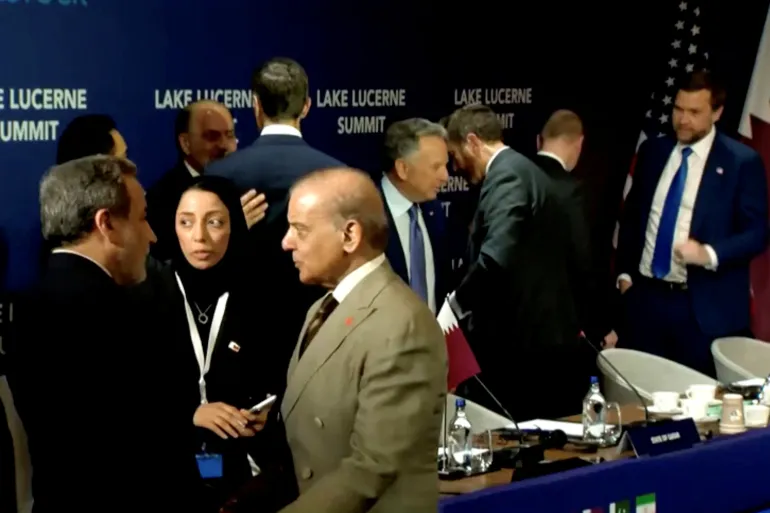
As tensions between the United States and Iran once again dominate regional politics, Pakistan has renewed its call for diplomacy, urging both nations to return to the negotiating table instead of allowing the crisis to spiral into a wider conflict. However, foreign policy analysts argue that while Islamabad can offer diplomatic support and facilitate communication, its ability to directly bridge the growing trust deficit between Washington and Tehran remains limited.
Relations between the United States and Iran have deteriorated sharply following the collapse of previous diplomatic understandings and renewed confrontations over regional security, sanctions, and military activity. The latest escalation has further deepened decades of mistrust, reducing hopes for an immediate return to meaningful negotiations.
Pakistan, which shares a long border with Iran while maintaining strategic ties with the United States, has repeatedly emphasized that dialogue remains the only sustainable path toward regional peace. Senior Pakistani officials have warned that continued hostilities would not only threaten Middle Eastern stability but could also have serious economic and security consequences for neighboring countries, including Pakistan.
Islamabad has consistently maintained a policy of balanced diplomacy, avoiding alignment with either side while encouraging peaceful engagement. Officials believe that military confrontation would risk disrupting regional trade routes, increasing energy prices, and creating broader instability across South Asia and the Gulf.
Despite these efforts, diplomatic experts caution that Pakistan lacks the political leverage necessary to independently bring both adversaries back into formal negotiations. Unlike previous international mediation efforts involving Oman, Qatar, or European powers, Pakistan does not currently possess the influence or negotiating authority required to overcome the deep-rooted mistrust between Washington and Tehran.
Analysts note that Pakistan’s strongest contribution may lie in supporting multilateral diplomacy rather than acting as a sole mediator. Through close coordination with regional partners and international organizations, Islamabad could encourage confidence-building measures, reduce misunderstandings, and help create conditions that make future negotiations more likely.
The challenge remains significant. The United States continues to demand stronger guarantees regarding Iran’s nuclear activities and regional military posture, while Tehran insists that sanctions relief and respect for its sovereignty must precede any renewed engagement. These fundamentally different positions have made diplomatic progress increasingly difficult.
Regional security experts also warn that any prolonged confrontation could have far-reaching consequences beyond the Middle East. Increased instability could threaten global energy markets, disrupt international shipping routes, and heighten security risks across the wider region, affecting countries that rely heavily on Gulf trade and energy supplies.
For Pakistan, preserving regional stability remains a strategic priority. A peaceful neighborhood supports economic growth, cross-border trade, and national security objectives. Consequently, Islamabad is expected to continue advocating restraint while encouraging all parties to resolve their differences through diplomatic channels rather than military action.
Although Pakistan’s commitment to dialogue reflects its long-standing foreign policy approach, most analysts agree that rebuilding trust between the United States and Iran will ultimately require direct political will from both governments, supported by coordinated international mediation. Until then, Pakistan’s role is likely to remain that of a constructive diplomatic partner—promoting communication, reducing tensions where possible, and urging all sides to choose negotiation over confrontation.