The United States has launched a fresh wave of coordinated military strikes against Iranian military infrastructure.
US Launches New Wave of Strikes Against Iran as Fragile Ceasefire Nears Collapse
The strikes, carried out on Sunday, come after three consecutive days of tit-for-tat military exchanges between Washington and Tehran, raising fears that a fragile ceasefire agreement reached in June is on the verge of collapsing.
According to U.S. Central Command (CENTCOM), the latest operation targeted Iranian missile launch sites, drone facilities, radar installations, coastal defense systems, and military command centers. Pentagon officials said the objective was to reduce Iran’s ability to threaten commercial vessels transiting the strategically vital Strait of Hormuz, one of the world’s busiest energy shipping routes.
Military officials described the operation as part of an ongoing campaign aimed at protecting freedom of navigation after Iranian forces allegedly intensified attacks against commercial shipping and regional military facilities. The Pentagon stressed that the strikes were “defensive in nature” and intended to deter further aggression rather than initiate a broader conflict.
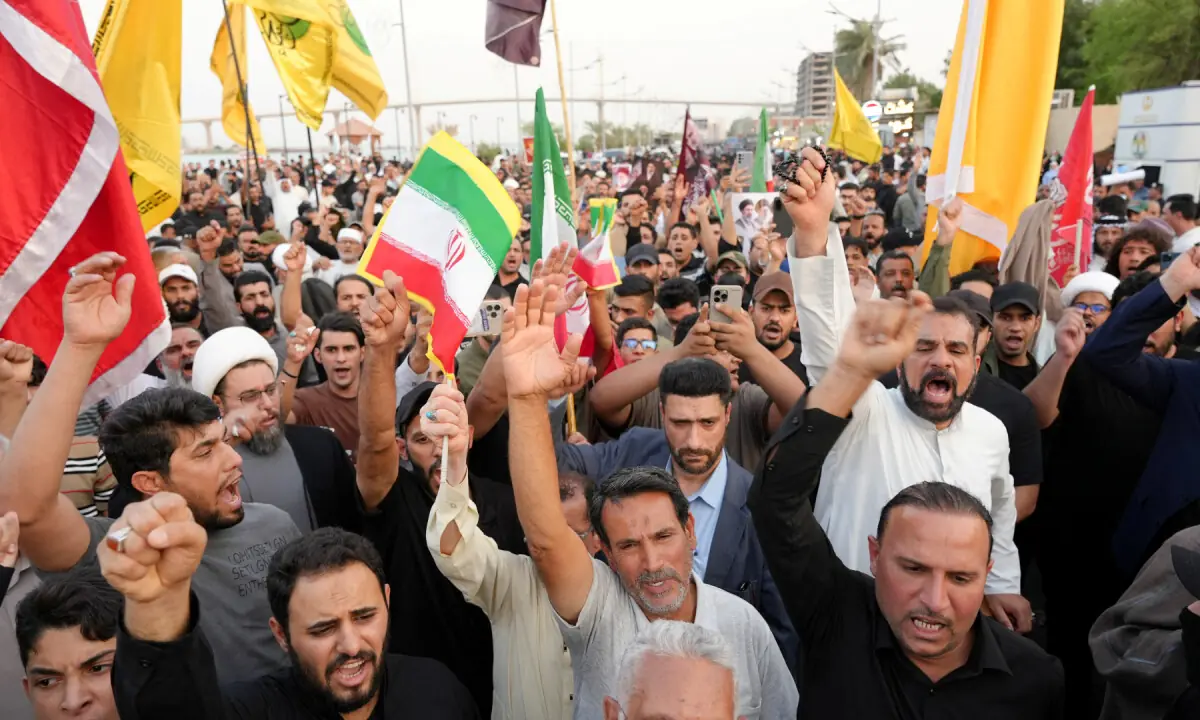
Iranian state media confirmed explosions in several provinces following the strikes, reporting that military installations had been targeted. Tehran strongly condemned the attacks, calling them a violation of international law and accusing Washington of deliberately undermining diplomatic efforts that had been underway following last month’s ceasefire agreement.
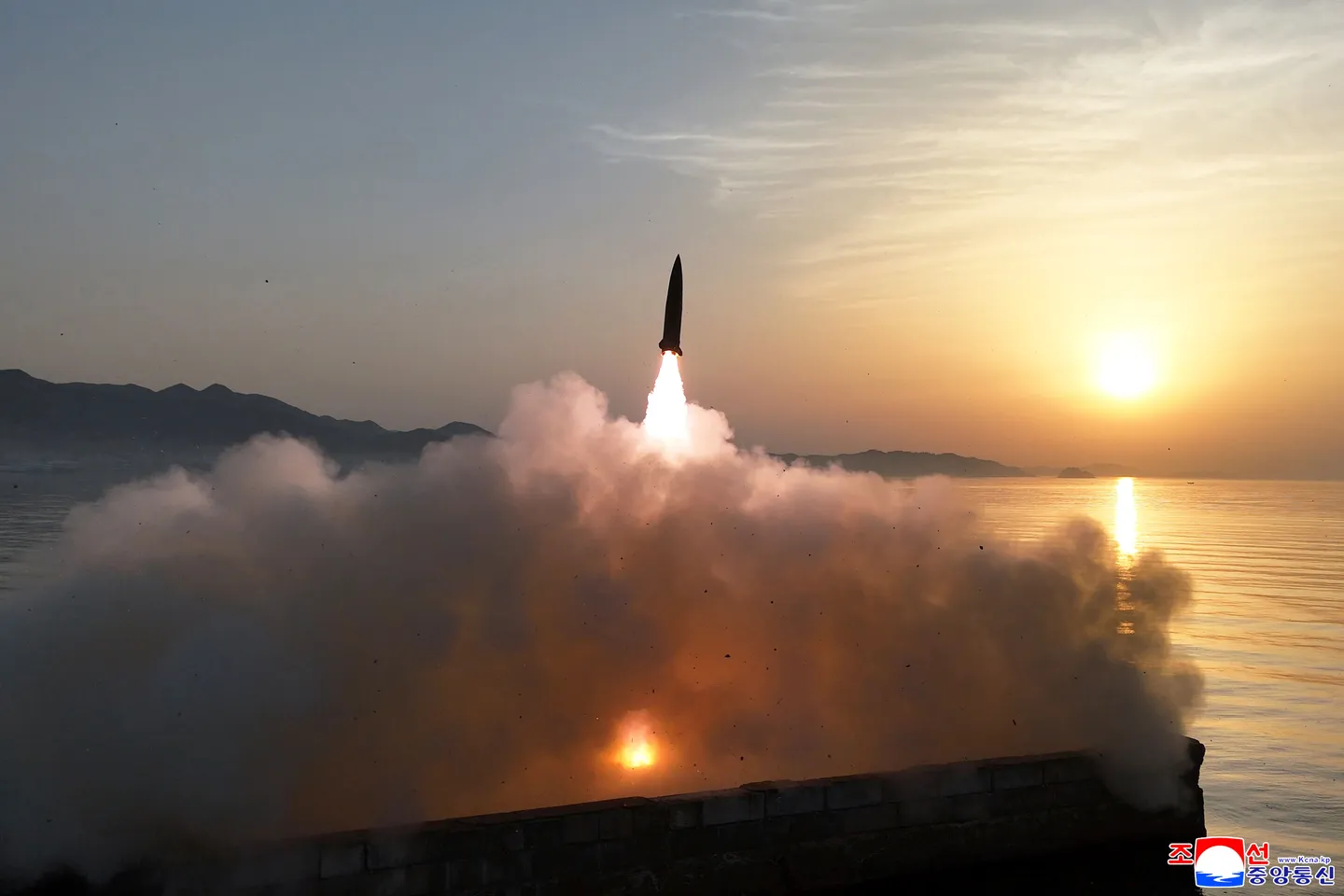
Senior Iranian officials warned that the country would continue to respond to what they described as “American aggression.” Iran’s Islamic Revolutionary Guard Corps (IRGC) later announced additional retaliatory missile and drone attacks against U.S. military facilities across several Gulf states, claiming the strikes were intended to defend Iranian sovereignty and deter future attacks.
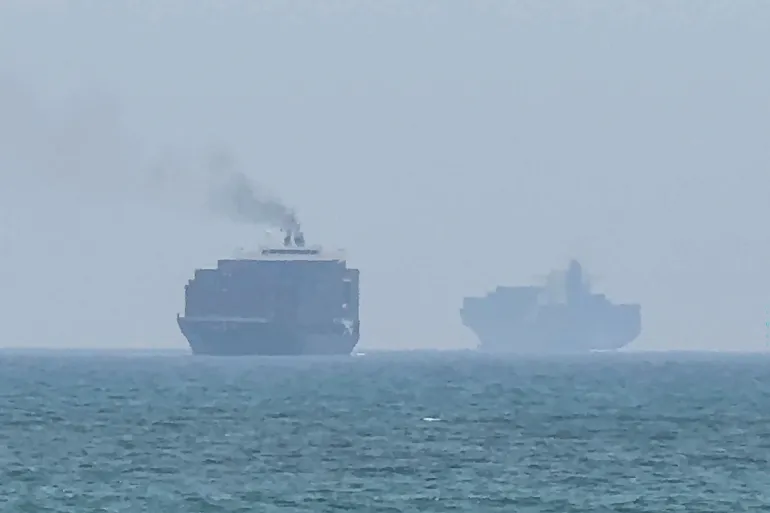
The renewed violence has further destabilized the Strait of Hormuz, a critical maritime chokepoint through which a significant share of global oil exports passes every day. Shipping companies remain on high alert as concerns grow over the safety of commercial vessels operating in the region.
Analysts warn that prolonged disruptions in the waterway could have serious consequences for global energy markets. Oil prices have already risen amid fears that continued military escalation could restrict shipping traffic and interrupt international energy supplies.
The latest exchange of strikes has also cast serious doubt over the future of the June ceasefire agreement, which had been intended to halt hostilities, reopen maritime trade routes, and revive broader diplomatic negotiations concerning regional security and Iran’s nuclear program.
Despite earlier optimism, both Washington and Tehran now accuse each other of violating the terms of the agreement. U.S. officials argue that Iran’s attacks on commercial vessels and military installations forced a military response, while Iranian leaders insist Washington abandoned diplomacy through continued military pressure and sanctions.
International leaders have expressed growing concern that the escalating conflict could expand beyond the Gulf region. Several governments have urged both sides to exercise restraint and return to negotiations before the confrontation develops into a wider regional war involving additional countries.
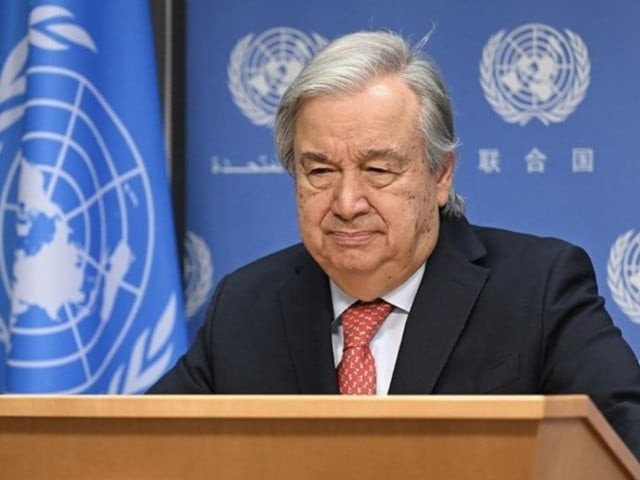
The United Nations and multiple international mediators continue to call for an immediate de-escalation, warning that continued military exchanges threaten regional stability, international trade, and global economic security. Diplomatic efforts remain ongoing, but prospects for renewed negotiations appear increasingly uncertain as both sides continue to exchange military strikes.