The United States has reignited international attention on one of the Cold War era’s most controversial aviation incidents by moving forward with legal action linked to former Cuban leader Raúl Castro over the 1996 shootdown of civilian aircraft operated by the exile group “Brothers to the Rescue.”
US Revives Case Against Raul Castro Over 1996 Plane Shootdown Amid Rising Tensions With Cuba
Why the Case Matters Again
The incident dates back to February 24, 1996, when Cuban fighter jets shot down two civilian planes over international waters near Cuba. The aircraft belonged to Brothers to the Rescue, a Miami-based anti-Castro organization known for assisting Cuban migrants attempting to flee the island.
Four people were killed in the attack, including three American citizens. The tragedy triggered international outrage and became one of the defining moments in already tense US-Cuba relations.
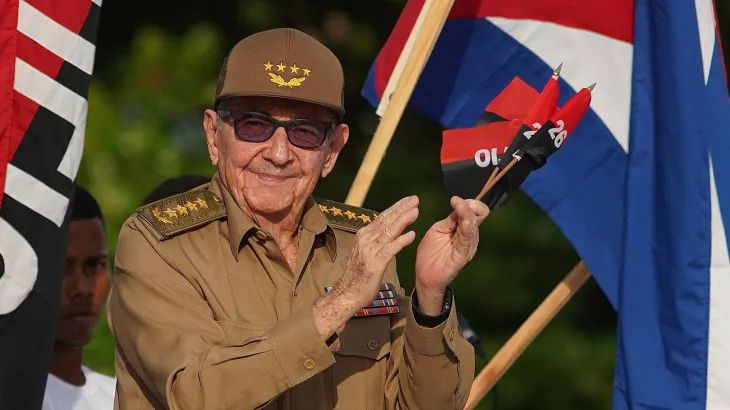
Now, nearly three decades later, US authorities are once again highlighting the case, bringing renewed scrutiny to the role allegedly played by senior Cuban officials at the time—including former President Raul Castro, who served as Cuba’s defense minister during the incident.
Timing Raises Political Questions
Analysts say the timing of the renewed indictment effort is significant.
Relations between Washington and Havana have deteriorated sharply in recent years amid disputes over sanctions, human rights concerns, migration, and regional security issues. The renewed legal push also comes during a politically sensitive period in US domestic politics, where tough policies toward Cuba often resonate strongly with Cuban-American voters, particularly in Florida.
Observers believe the move could serve multiple purposes:
Increasing diplomatic pressure on Cuba
Sending a message regarding accountability for American deaths
Reinforcing a tougher US stance toward socialist governments in the region
Appealing to influential political constituencies ahead of future elections
The case also revives painful memories for families of the victims, many of whom have spent decades demanding justice and accountability.
Cuba Rejects the Accusations
The Cuban government has historically defended the 1996 action, arguing the planes repeatedly violated Cuban airspace despite warnings. Havana maintains that its actions were carried out in defense of national sovereignty.
Cuban officials have also accused the United States of politicizing the tragedy and using the issue to justify continued sanctions and pressure campaigns against the island nation.
Supporters of the Cuban government argue the renewed focus on Raul Castro is unlikely to lead to any direct legal consequences but is instead intended to intensify international scrutiny of Cuba’s leadership.
International Impact
The renewed attention to the case could further complicate already fragile relations between the two countries. Diplomatic ties between the US and Cuba have fluctuated dramatically over the past decade—from partial normalization efforts under former President Barack Obama to renewed sanctions and restrictions under later administrations.
Experts say the case may also affect broader regional diplomacy in Latin America, where several governments oppose increased US sanctions on Cuba.
For many observers, the renewed indictment effort is not just about a 1996 aviation tragedy—it is also a reflection of the continuing geopolitical struggle between Washington and Havana, nearly 65 years after the Cuban Revolution reshaped the region.