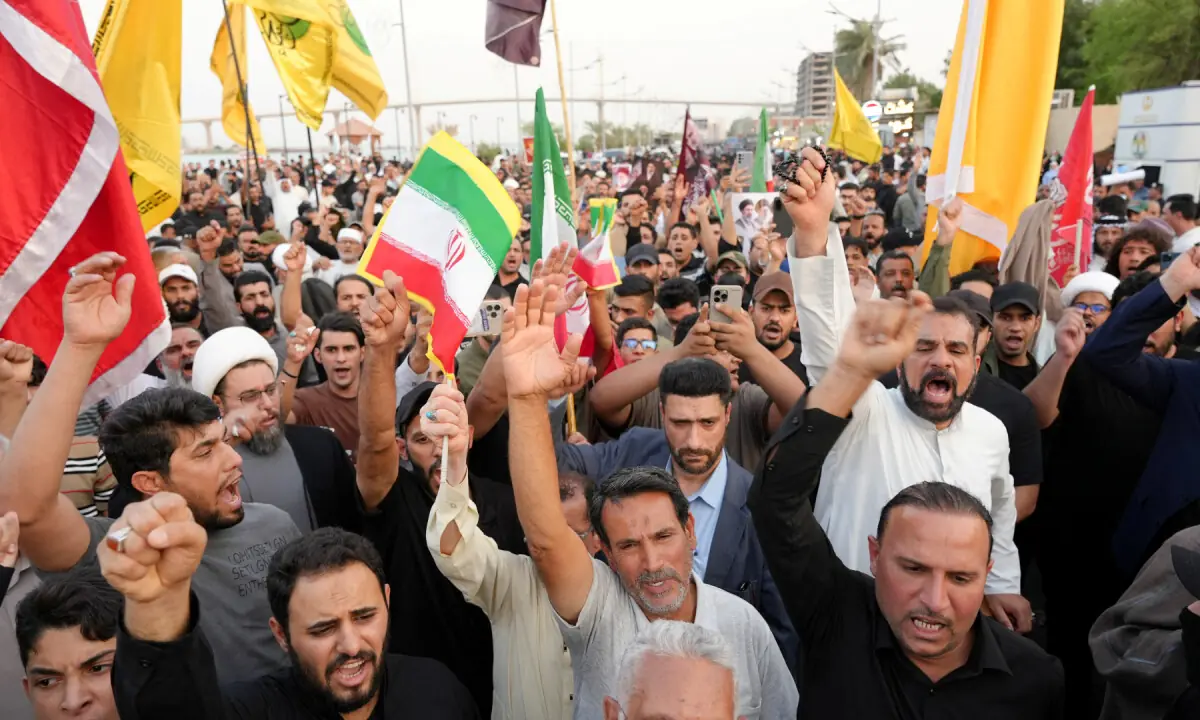
Tehran, Iran – Iran has indicated that it remains open to the possibility of reaching an agreement with the United States, but growing pressure from hardline factions in both countries is making diplomatic progress increasingly difficult.
Iran-US Talks Face Major Obstacles as Regional Tensions Continue
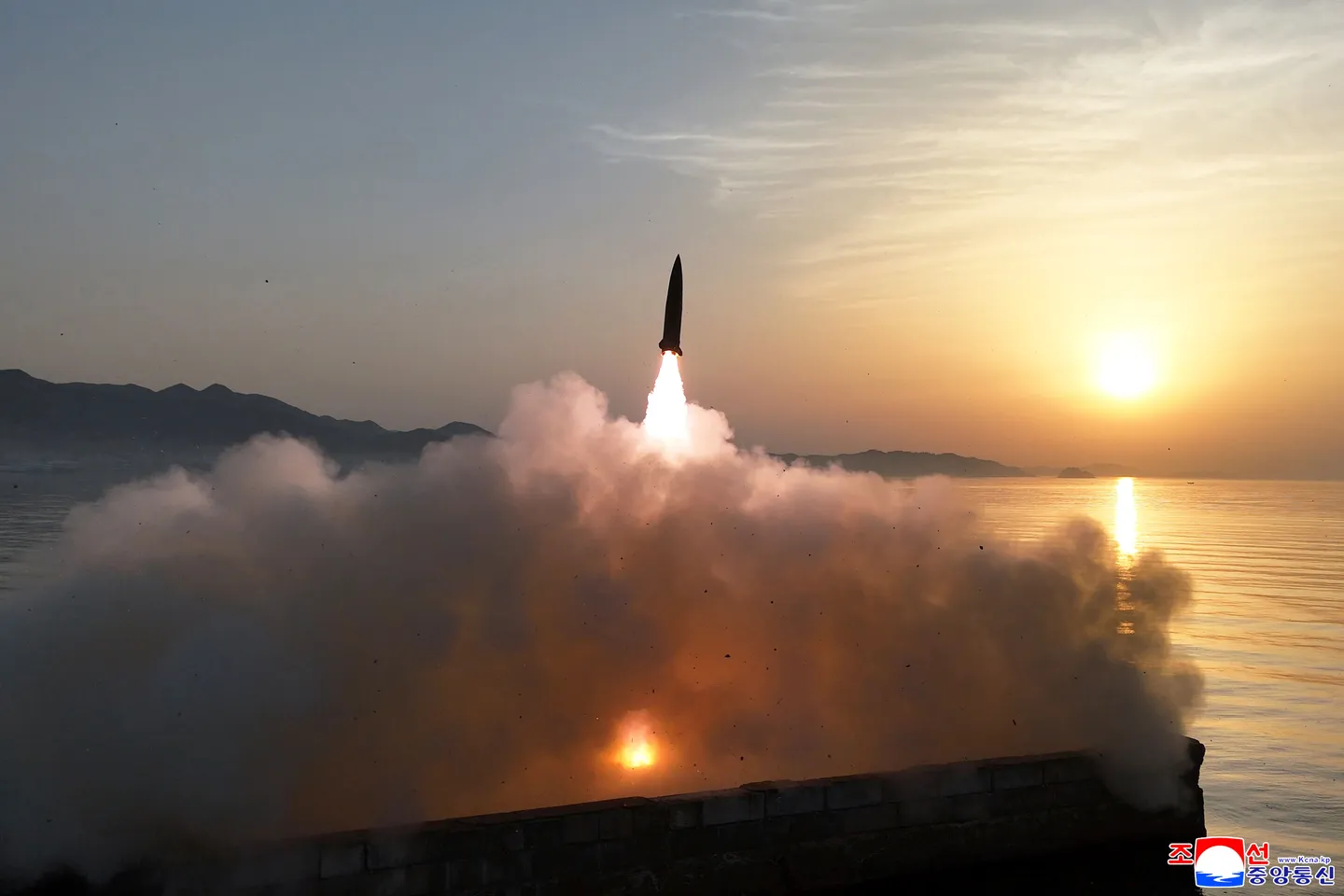
More than three months after the outbreak of the latest conflict in the region, Washington and Tehran have yet to bridge significant differences over several key issues. One of the most contentious disputes revolves around the strategic Strait of Hormuz, a vital global shipping route through which a large portion of the world’s energy supplies pass.
Iran continues to insist on maintaining authority and oversight over transit through the waterway, arguing that its geographic position gives it a legitimate role in managing maritime traffic. The United States, however, has opposed Tehran’s position and has maintained restrictions affecting Iranian ports, further deepening tensions between the two longtime rivals.
Diplomatic sources suggest that negotiations remain stalled as both sides seek guarantees that would protect their strategic and economic interests. While officials have expressed cautious optimism about future discussions, no breakthrough has yet been achieved.
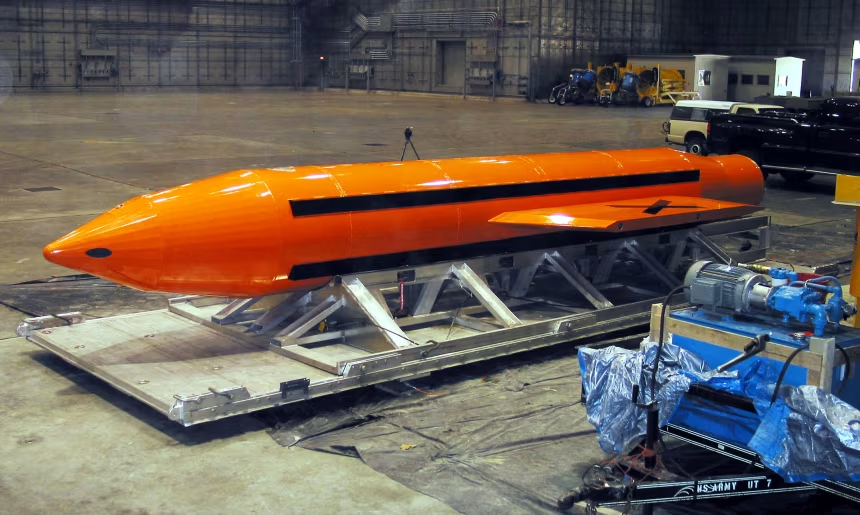
Beyond maritime security, major disagreements persist over Iran’s nuclear program. Washington continues to push for stricter limitations on uranium enrichment activities and greater transparency regarding Iran’s stockpiles of highly enriched uranium, including material believed to be stored in heavily fortified underground facilities.
Iran, on the other hand, maintains that its nuclear activities are peaceful and insists that any comprehensive agreement must include the complete removal of economic sanctions imposed by the United States and international bodies. Iranian officials argue that sanctions relief is essential for rebuilding the country’s economy and restoring international trade and investment.
Analysts warn that without compromise from both sides, prospects for a broader agreement could remain uncertain. The ongoing disputes over nuclear enrichment, sanctions, and freedom of navigation in the Strait of Hormuz continue to represent major hurdles in efforts to reduce tensions and establish a more stable relationship between Tehran and Washington.
As diplomatic contacts continue behind closed doors, the international community is closely monitoring developments, aware that any agreement—or failure to reach one—could have significant consequences for regional security, global energy markets, and international trade.