Israeli Prime Minister Benjamin Netanyahu is facing mounting political pressure at home as criticism intensifies over his handling of the ongoing conflict in Lebanon.
Benjamin Netanyahu faces Israeli backlash over Lebanon strategy
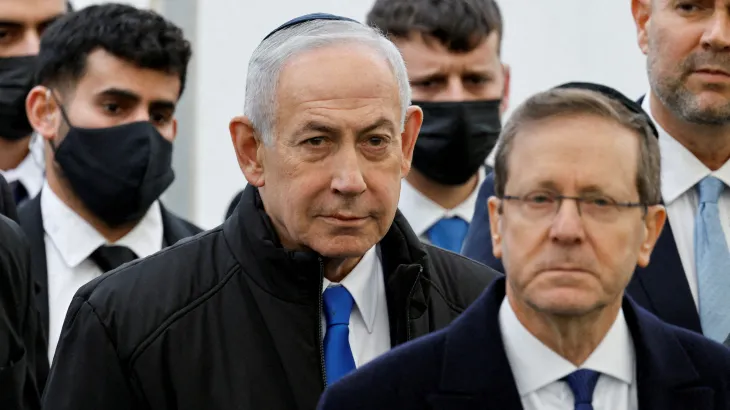
Netanyahu Faces Growing Criticism in Israel Over Lebanon Strategy
Israeli Prime Minister Benjamin Netanyahu is facing mounting political pressure at home as criticism intensifies over his handling of the ongoing conflict in Lebanon. Several prominent Israeli political figures and security hawks have accused Netanyahu of exercising excessive restraint by delaying or limiting military action against Beirut, arguing that the move was influenced by pressure from U.S. President Donald Trump rather than Israel’s own security priorities.
The controversy erupted after reports emerged that Trump personally intervened to discourage Israel from launching a broader bombing campaign against Beirut’s southern suburbs, an area considered a stronghold of Hezbollah. According to multiple reports, Washington feared that further escalation could derail ongoing diplomatic efforts and increase regional instability.
Netanyahu’s political opponents have seized on the issue, claiming that Israel’s military decisions are becoming overly dependent on American approval. Critics from both the opposition and the political right argue that the government’s decision to pause planned strikes undermines Israeli sovereignty and weakens deterrence against Hezbollah.
Several hardline politicians have openly urged the prime minister to ignore foreign pressure and respond more aggressively to Hezbollah attacks originating from Lebanon. They contend that any hesitation sends the wrong message to Israel’s adversaries and could embolden militant groups operating along the northern border.
Despite the criticism, Netanyahu has defended his approach, insisting that Israel remains committed to protecting its citizens and maintaining military pressure on Hezbollah. He has emphasized that Israeli forces will continue operations in southern Lebanon and warned that any future attacks against Israeli territory would be met with a strong response.
The dispute highlights growing tensions not only between Israel and Hezbollah but also between Netanyahu’s government and sections of Israel’s political establishment. With domestic political challenges already mounting, including pressure from rivals and ongoing debates over national security policy, the Lebanon conflict has become another major test of Netanyahu’s leadership.
As fighting and diplomatic negotiations continue simultaneously, the debate over how aggressively Israel should pursue its military objectives in Lebanon is expected to remain a central issue in Israeli politics in the weeks ahead. Observers say Netanyahu now faces the difficult task of balancing military objectives, international relations, and domestic political pressures at a time of heightened regional uncertainty.