Fresh security incidents involving Iran, Kuwait, and Bahrain have reignited concerns about stability in the Gulf region, despite recent assurances from U.S. officials that the conflict with Iran has largely come to an end.
Gulf Tensions Rise Again as Iran, Kuwait, and Bahrain Face New Security Threats
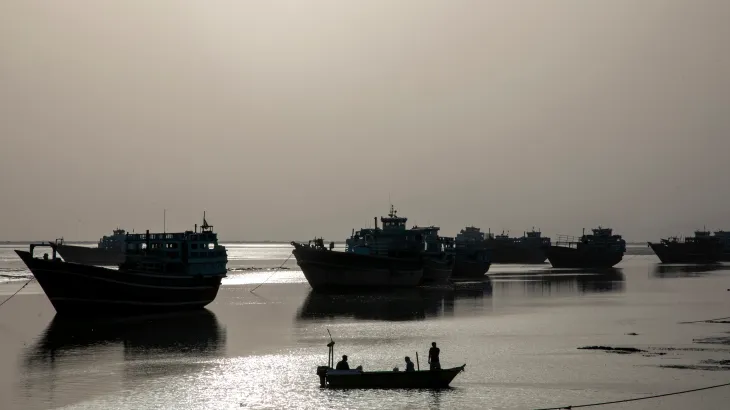
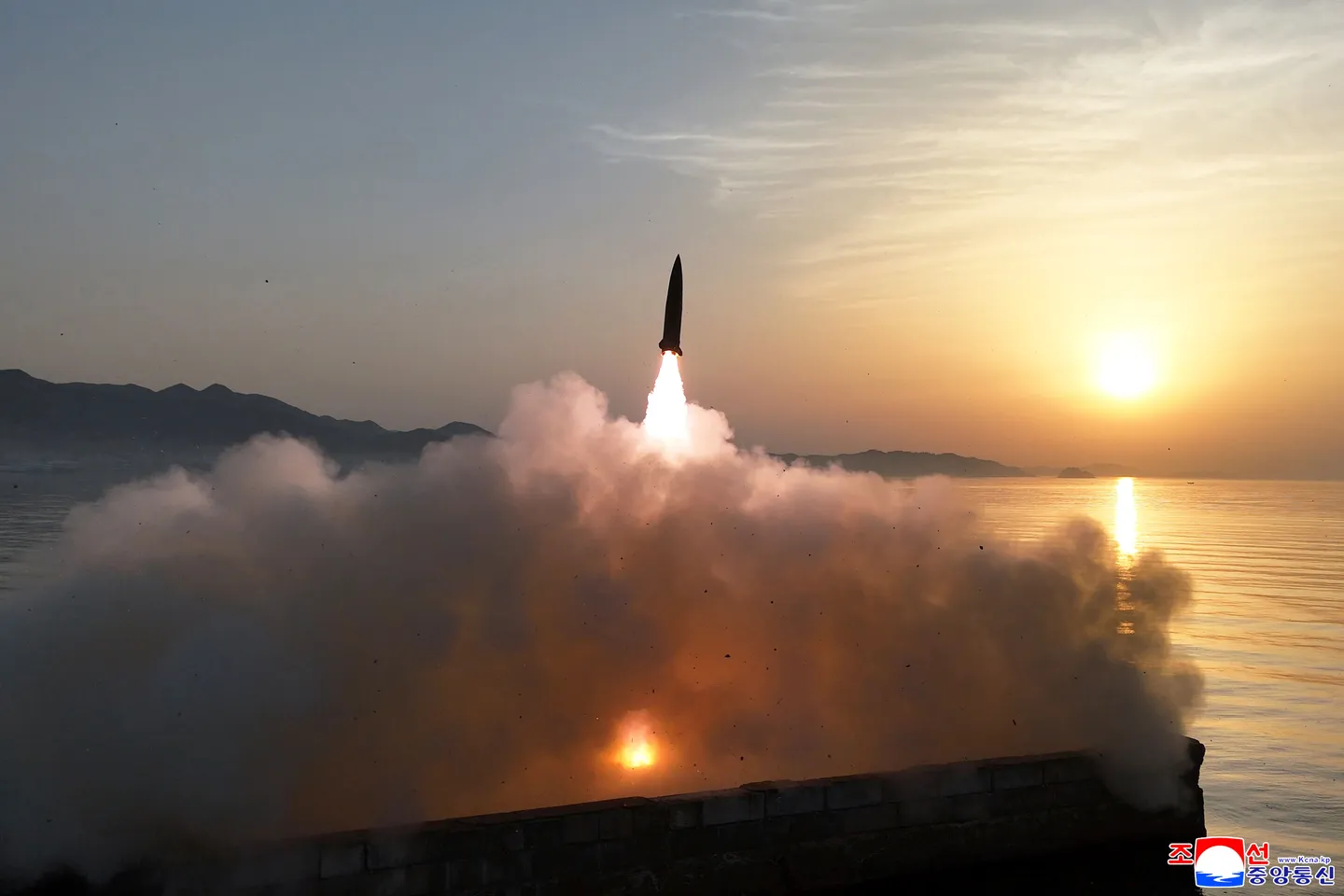
The latest developments have prompted analysts and policymakers to question whether the region is witnessing the beginning of another escalation cycle. Reports of attacks and heightened military activity have increased uncertainty across the Gulf, a region already burdened by years of geopolitical rivalry and security challenges.
The concerns come shortly after U.S. Secretary of State Marco Rubio told American lawmakers that Washington believes the military phase of the conflict with Iran is effectively over. Rubio emphasized that the United States is focused on preventing further escalation and maintaining regional stability through diplomatic engagement and strategic deterrence.
However, recent incidents targeting Iran as well as neighboring Gulf states have complicated that narrative. Security officials across the region are closely monitoring developments amid fears that retaliatory actions or miscalculations could trigger a broader confrontation.
Growing Concerns Over Regional Stability
The Gulf remains one of the world’s most strategically important regions due to its energy resources, shipping routes, and geopolitical significance. Any increase in military activity has the potential to impact global energy markets, international trade, and diplomatic relations.
Experts warn that even limited attacks can increase tensions among regional powers and create conditions for a wider conflict. The possibility of proxy confrontations, cyber operations, and cross-border security incidents continues to concern governments and international organizations.
Diplomatic Efforts Continue
Despite the renewed tensions, diplomatic channels remain active. Regional governments and international partners are reportedly working to prevent the situation from deteriorating further. Calls for restraint have been issued by multiple countries seeking to avoid another major crisis in the Middle East.
Political observers note that while direct large-scale conflict may not be imminent, the current security environment remains fragile. Any additional attack or military response could quickly alter the regional landscape.
Impact on Global Markets
The uncertainty has also drawn the attention of investors and energy analysts. The Gulf region plays a central role in global oil and gas supplies, and any sign of instability often affects market sentiment. Concerns over shipping routes and energy infrastructure have historically led to fluctuations in oil prices and increased economic uncertainty.
What Happens Next?
As governments assess the latest developments, the key question remains whether these incidents represent isolated events or the beginning of a broader escalation. While U.S. officials continue to express confidence that the conflict with Iran has been contained, the recent attacks on Iran, Kuwait, and Bahrain suggest that regional tensions remain far from resolved.
For now, the Gulf stands at a critical crossroads. Diplomatic efforts may succeed in preventing further violence, but the situation remains fluid, and the coming weeks could prove decisive for the future security of the region.