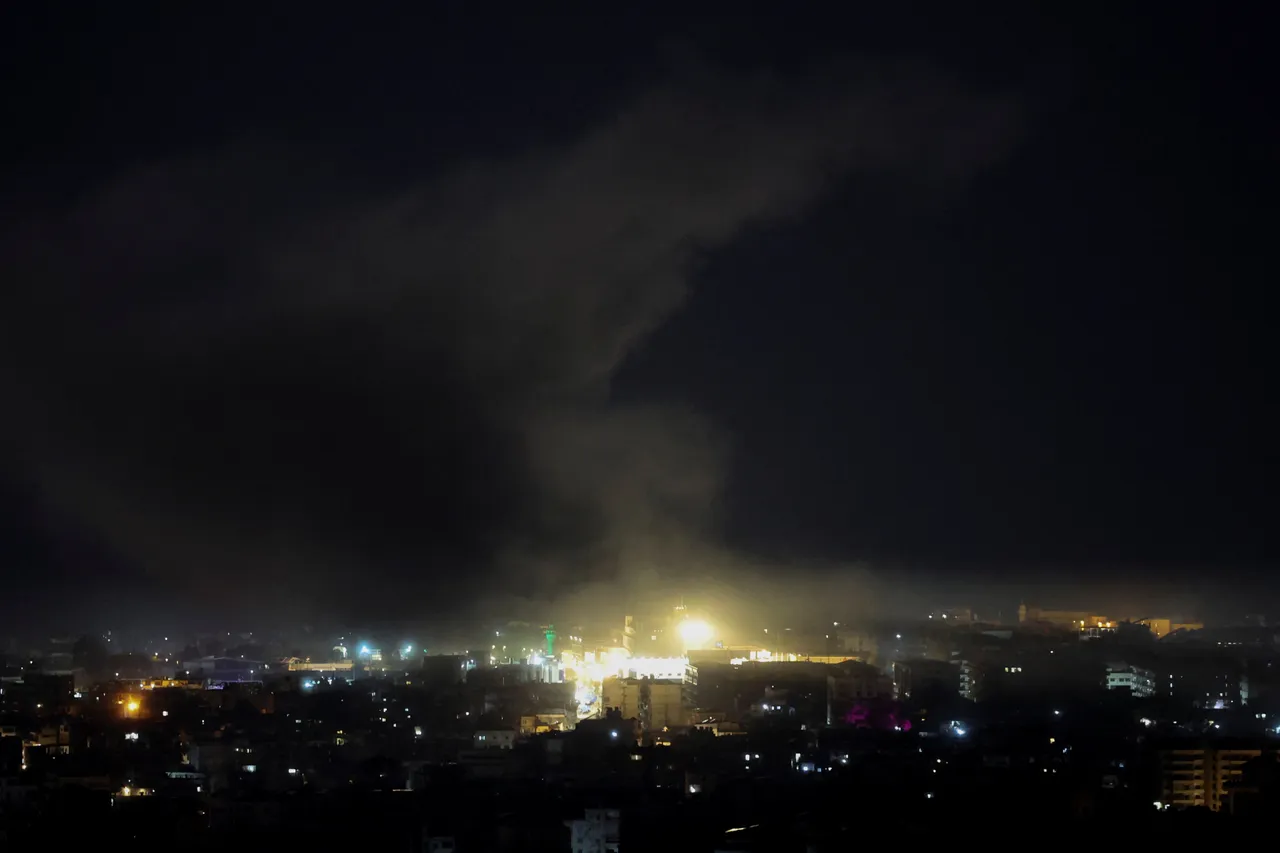
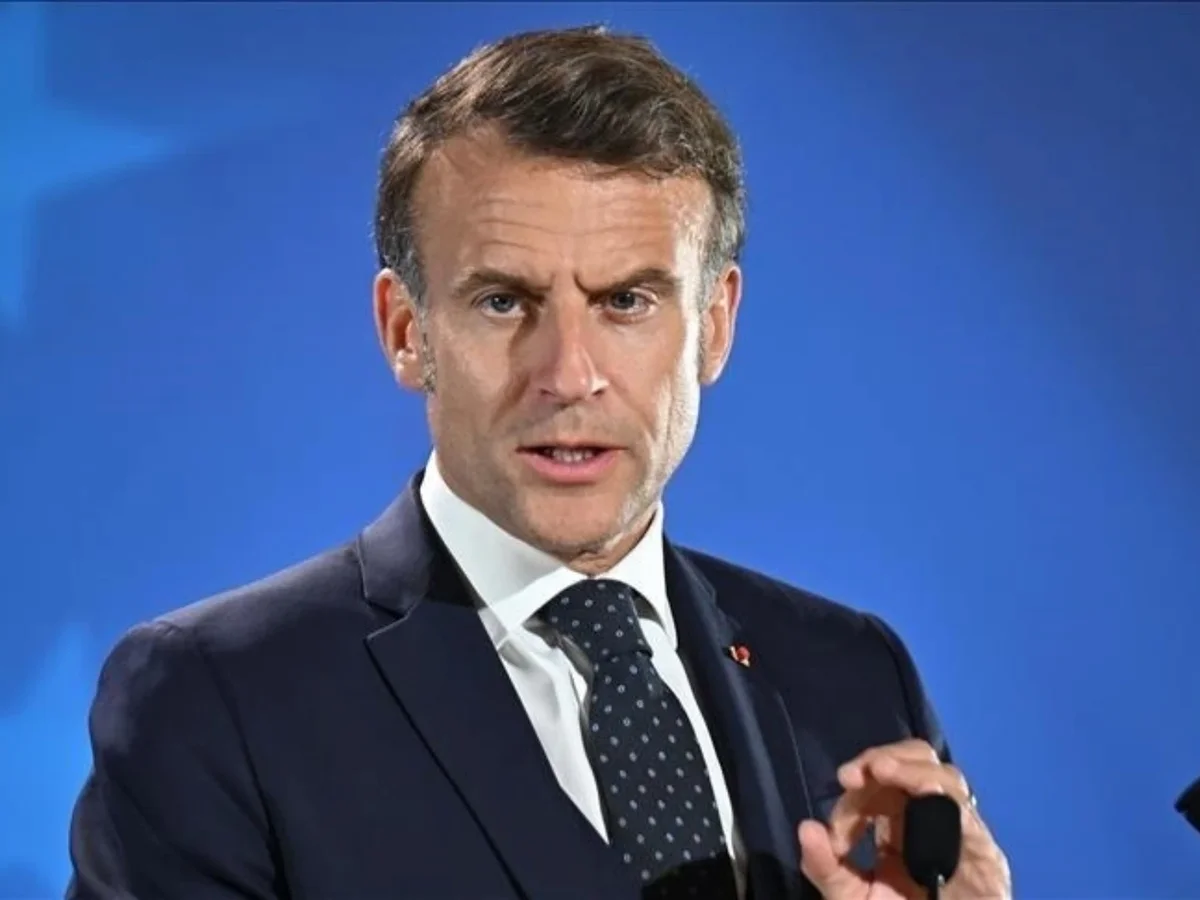
he ongoing war in Gaza has triggered a devastating humanitarian emergency, leaving millions of Palestinians struggling to survive amid widespread destruction, food shortages. Speaking to reporters during his visit to Doha, Macron emphasised France’s ongoing diplomatic efforts to encourage dialogue and ease tensions amid growing regional concerns. According to Al Jazeera, the French president confirmed …
Gaza Faces Deepening Humanitarian Crisis as War Devastates Civilian Lives
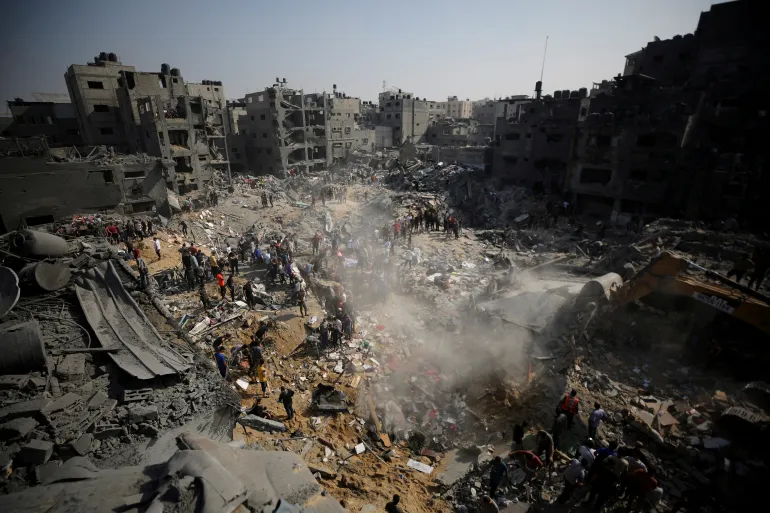
United Nations Secretary-General António Guterres has described the suffering in Gaza as a crisis that extends beyond humanitarian concerns, warning that the situation represents a profound challenge to humanity. The United Nations has repeatedly called for an immediate ceasefire, the release of all hostages, the protection of civilians, and unrestricted access for humanitarian aid.
Civilians Bear the Heaviest Burden
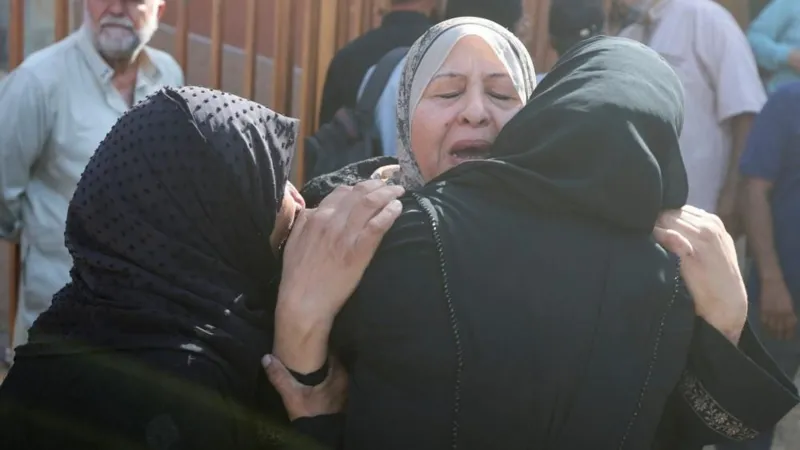
The conflict has severely affected Gaza’s entire population, estimated in the supplied report at approximately 2.1 million people. Women and children have been particularly vulnerable, facing the consequences of bombardment, displacement, shortages of food and clean water, and the breakdown of essential services.
According to the figures provided in the source text, more than 42,000 people had been killed and over 96,000 injured. These figures illustrate the enormous human cost of the conflict, although casualty totals can change as new information becomes available.
For many families, daily life has become a struggle for survival. Displacement has forced people to leave their homes, while damaged infrastructure and limited supplies have made it increasingly difficult to obtain medical treatment, clean drinking water, adequate shelter, and other basic necessities.
Hunger and Food Insecurity Worsen
Food insecurity remains one of the most alarming aspects of the crisis. According to the information provided, approximately three-quarters of Gaza’s population depend on food assistance to meet their basic needs.
Restrictions and disruptions affecting humanitarian deliveries, combined with widespread destruction and displacement, have intensified concerns about hunger and malnutrition. Vulnerable groups, including children, older people, and those with existing health conditions, face particularly serious risks when adequate nutrition and medical care are unavailable.
Humanitarian organizations have warned that delivering sufficient food and other essential supplies is critical to preventing further suffering. Aid agencies continue to emphasize the need for safe, sustained, and reliable access to communities across the Gaza Strip.
United Nations Calls for Urgent International Action
United Nations Secretary-General António Guterres and United Nations Development Programme Administrator Achim Steiner have called for an end to the violence and an urgent response to the worsening humanitarian emergency.
Their appeals emphasize several immediate priorities: securing a ceasefire, ensuring the release of all hostages, protecting civilians, and allowing desperately needed humanitarian assistance to reach those affected by the war.
International humanitarian efforts face significant challenges as the conflict continues to affect infrastructure, healthcare facilities, housing, and essential public services. Humanitarian agencies stress that aid deliveries must be supported by conditions that allow relief workers to operate safely and reach people in need.
A Crisis Demanding a Humanitarian Response
The situation in Gaza highlights the devastating consequences of prolonged conflict for civilian populations. Beyond the immediate loss of life, the destruction of homes, disruption of healthcare, food insecurity, and mass displacement threaten the well-being of communities for years to come.
Responding to the crisis requires urgent humanitarian assistance, effective protection for civilians, and sustained international efforts to reduce violence. Ensuring access to food, water, shelter, and medical care remains essential to alleviating the suffering of millions of Palestinians.
As the humanitarian situation continues to demand international attention, the United Nations’ central message remains clear: civilians must be protected, humanitarian aid must reach those who need it, and urgent action is required to prevent further loss of life.
The future of Gaza’s civilian population depends not only on immediate relief but also on sustained efforts to restore essential services, rebuild devastated communities, and establish conditions in which people can live safely and with dignity.