Tehran Signals Diplomatic Progress as Regional Mediators Explore a Path Toward De-escalation
Iran in Talks With Mediators Over Seven-Day Plan to Reopen Strait of Hormuz
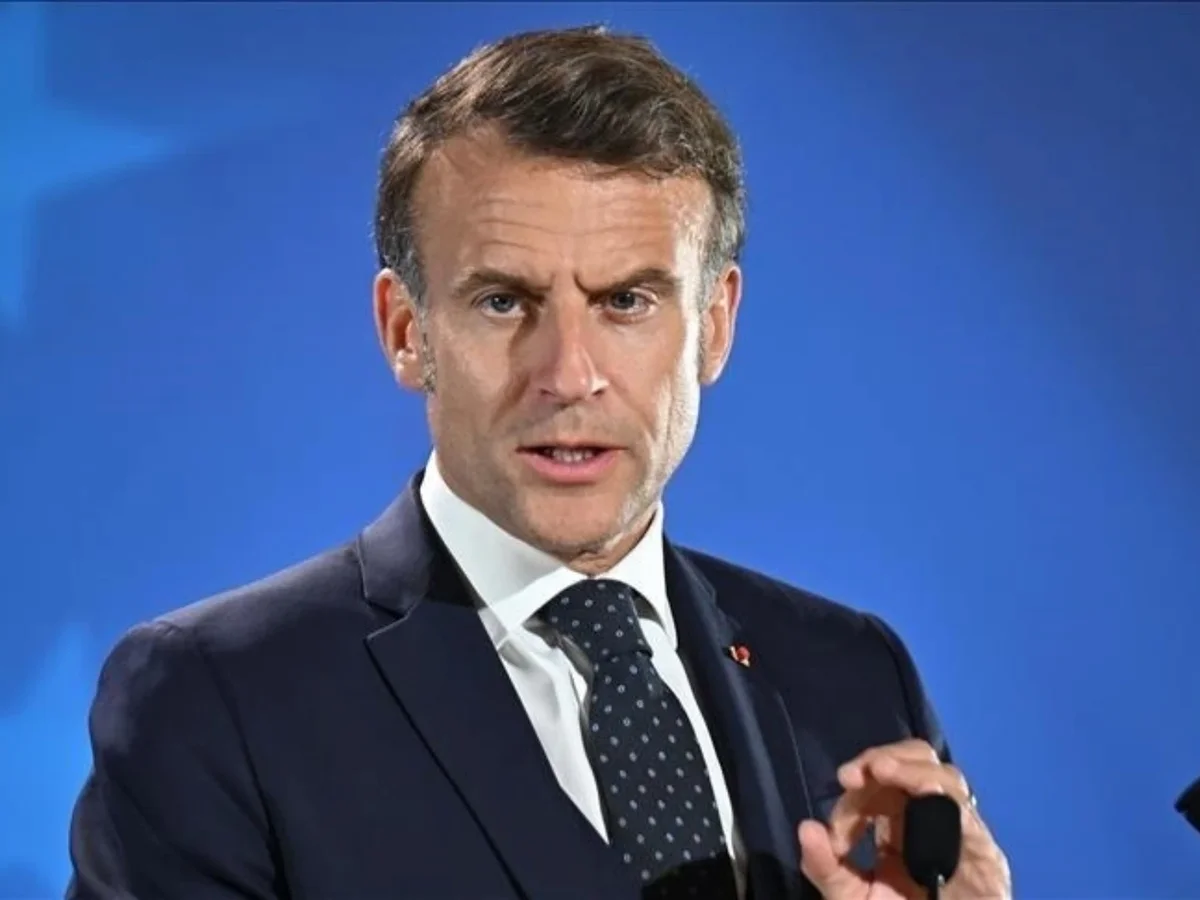
Iran’s Foreign Minister Abbas Araghchi has confirmed that Tehran remains in close contact with international mediators to discuss the implementation of a proposed seven-day plan aimed at reopening the strategically important Strait of Hormuz and advancing negotiations with the United States.
In a statement shared on social media on Wednesday, Araghchi emphasized that Iran continues to pursue diplomacy despite heightened regional tensions and the possibility of renewed military confrontation. He said Iranian officials were reviewing proposals that could allow the plan to be implemented in less than a week.
“While our Brave Armed Forces are fully prepared to defend the Homeland, Iran continues to give diplomacy a chance to succeed,” Araghchi stated, highlighting Tehran’s position that diplomatic engagement and military preparedness can proceed simultaneously.
Iran’s Seven-Day Proposal
The proposal, initially conveyed to Washington through Qatari mediators in September, outlines a phased approach to reducing hostilities, reopening the Strait of Hormuz to commercial shipping and restarting negotiations between Tehran and Washington.
Under the proposed framework, the United States would take several steps during the initial five days, including ending hostilities, lifting its naval blockade on Iranian ports, easing restrictions on Iranian oil exports and releasing frozen Iranian assets.
Iran would then reopen the Strait of Hormuz to normal commercial shipping on the sixth day, followed by the resumption of negotiations with Washington on the seventh day to pursue a broader agreement.
However, the proposal remains conditional, and its implementation depends on reaching an understanding over Iran’s demands and the measures expected from the United States.
Strait of Hormuz at the Center of the Crisis
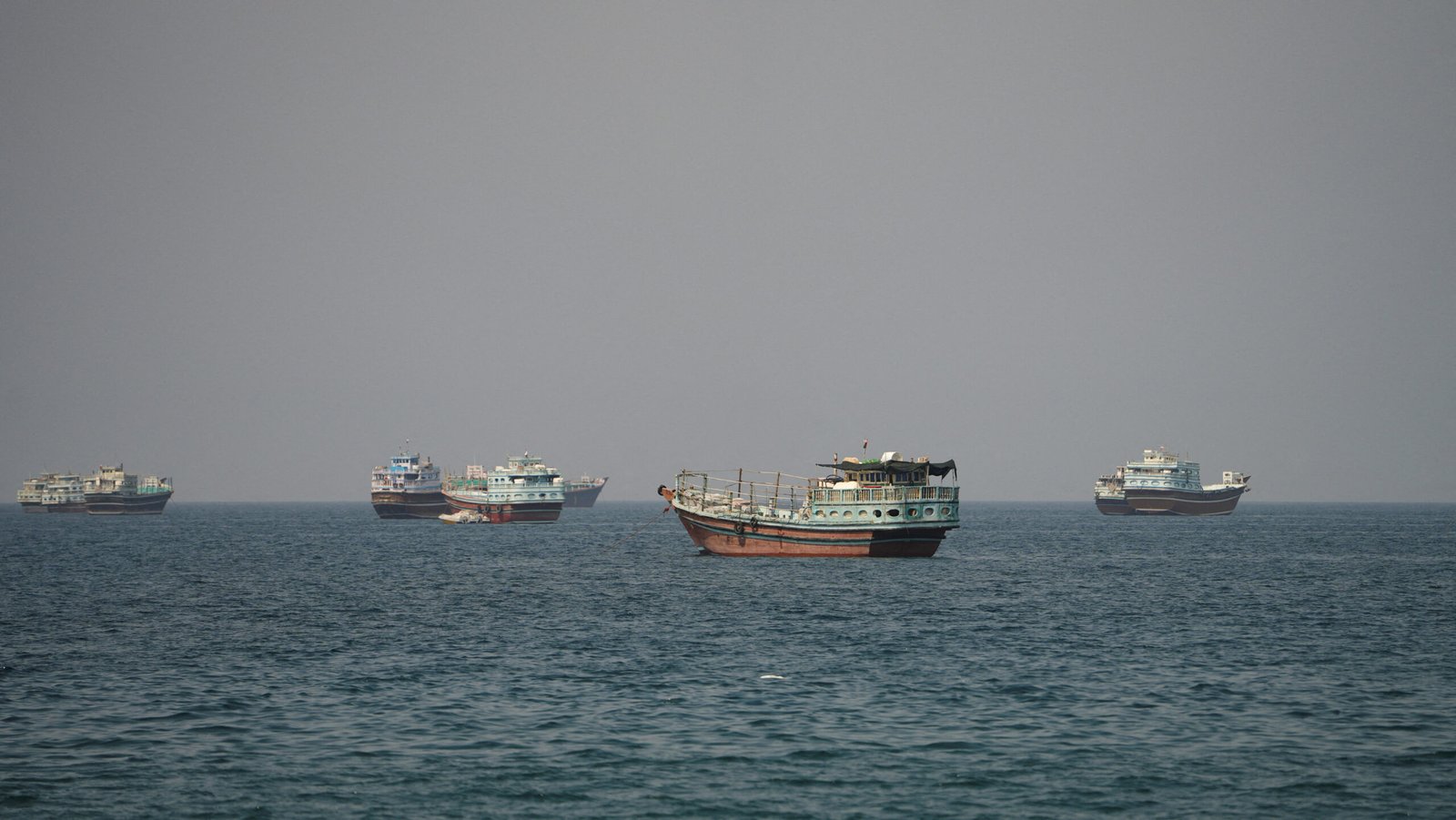
The Strait of Hormuz is one of the world’s most strategically significant maritime corridors, connecting the Persian Gulf with the Gulf of Oman and the Arabian Sea. It serves as a critical route for international oil and gas shipments, making its security essential to global energy markets.
Any disruption to commercial shipping through the strait can increase uncertainty across energy markets, raise transportation costs and intensify concerns about global energy supplies.
Consequently, a potential reopening under a negotiated arrangement could represent an important step toward reducing regional tensions. Nevertheless, the extent of any economic recovery would depend on the stability of the agreement, shipping security and the willingness of commercial operators to resume normal activities.
Qatar and Regional Diplomacy
Qatar has played a significant role in facilitating communications between Iran and the United States. Iranian officials have used intermediaries to convey proposals and explore possible arrangements for easing the confrontation.
Regional diplomatic efforts have also involved other countries, including Pakistan, Oman, Saudi Arabia, Russia and Türkiye, as governments seek to prevent further escalation and restore stability.
A Qatari delegation reportedly visited Tehran in recent days to discuss regional developments, including negotiations, the Strait of Hormuz and energy supplies.
Despite these diplomatic contacts, substantial disagreements remain, and the parties have yet to establish that the proposed seven-day framework can be implemented.
Washington-Tehran Differences Remain
Although Tehran has signalled its willingness to continue diplomatic engagement, the central challenge remains whether Washington and Tehran can agree on the conditions required to move forward.
Iran has linked the proposed arrangement to demands involving military hostilities, maritime restrictions, oil-related sanctions and frozen financial assets. The United States’ position on these demands will be crucial in determining whether the proposal can progress beyond preliminary discussions.
US President Donald Trump has also denied reports that he directed Vice President JD Vance to initiate peace talks with Iran, saying that the reported contact concerned Iran’s need for medical supplies. This underscores the uncertainty surrounding the current diplomatic process and the extent of direct engagement between the two governments.
What Happens Next?
The coming days could prove important for determining whether the diplomatic contacts produce concrete progress. If the parties reach an understanding on the proposed conditions, the seven-day framework could provide a pathway toward reopening the strait and restarting broader negotiations.
However, significant obstacles remain, including mutual distrust, disagreements over sanctions and maritime restrictions, and concerns about the durability of any ceasefire or future agreement.
For now, Iran’s latest announcement signals that diplomatic channels remain active, but it does not confirm that a final agreement has been reached or that the Strait of Hormuz will reopen on a specific date.
The key question is whether ongoing mediation can translate diplomatic discussions into an enforceable agreement that reduces tensions, restores commercial shipping and prevents a renewed escalation of the regional conflict.