ran has firmly denied reports that it has requested the resumption of nuclear negotiations with the United States, as senior Iranian officials accused Washington of exploiting global energy market instability for political leverage and concealing the true scale of military casualties in recent regional conflicts.
Iran Denies Seeking New Nuclear Talks with U.S. as Tensions Escalate Over Energy and Military Claims
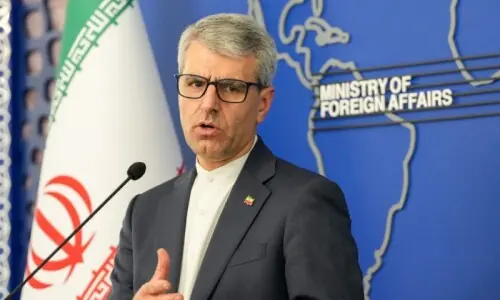
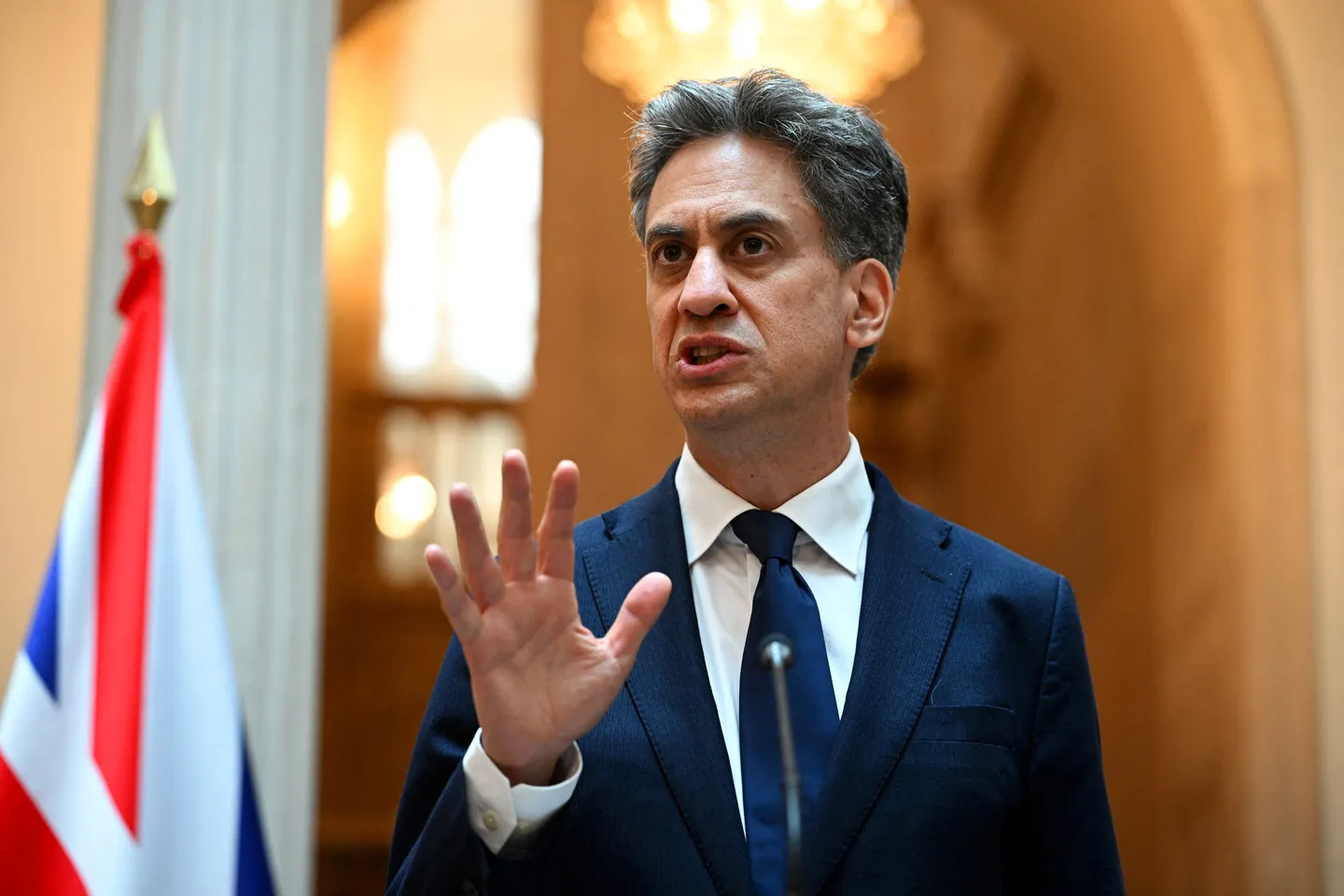
Speaking during a weekly press briefing, Iranian Foreign Ministry spokesperson Esmaeil Baghaei dismissed speculation that Tehran had approached Washington to restart diplomatic talks. He emphasized that Iran has made no formal request for renewed negotiations and insisted that any future dialogue would depend on the United States demonstrating genuine commitment rather than political maneuvering.
“Iran has not asked for the resumption of talks with the United States,” the spokesperson said, adding that Washington has repeatedly shown interest in negotiations only when geopolitical tensions push global oil and energy prices higher.
Iran Criticizes U.S. Motives
According to the Iranian Foreign Ministry, the U.S. has historically turned to diplomacy whenever instability in the Middle East threatens international energy supplies and increases crude oil prices. Tehran argued that such timing reflects economic and strategic interests rather than a sincere desire to resolve longstanding disputes over Iran’s nuclear program.
Iranian officials maintained that Washington’s approach has been inconsistent, pointing to previous negotiations that ended without lasting agreements. They reiterated that trust between the two countries remains severely damaged following years of sanctions, military tensions, and the collapse of earlier diplomatic efforts.
IRGC Accuses U.S. of Concealing Casualties
Meanwhile, the Islamic Revolutionary Guard Corps (IRGC) intensified its criticism of the United States. An IRGC spokesperson alleged that Washington has censored information regarding the actual number of American military personnel killed or injured during recent operations in the region.
The spokesperson claimed that U.S. authorities have deliberately minimized casualty figures to avoid domestic political pressure and maintain public support for their military presence in the Middle East. However, no independent evidence has been presented to substantiate these allegations.
The United States has not immediately responded to the latest accusations.
Regional Tensions Continue
The exchange of accusations comes amid heightened tensions across the Middle East, where conflicts involving Iran-backed groups, Israel, and U.S. forces have increased concerns over regional stability. Analysts warn that any escalation could disrupt global energy markets, particularly if shipping routes or oil infrastructure are affected.
Energy traders remain sensitive to developments involving Iran, as uncertainty surrounding the country’s relations with the United States often influences crude oil prices and investor sentiment.
Diplomatic Outlook Remains Uncertain
Despite repeated international calls for renewed diplomacy, prospects for reviving negotiations remain uncertain. Iran continues to insist that sanctions must be lifted and previous commitments honored before meaningful discussions can resume, while Washington maintains that Iran must address concerns regarding its nuclear activities and regional policies.
For now, Tehran’s latest statements suggest that no immediate breakthrough is on the horizon, with both sides continuing to exchange sharp rhetoric instead of engaging in direct negotiations.