Middle East tensions escalated sharply on Saturday as Iran launched missiles toward Kuwait and Bahrain following a new military confrontation with the United States in the Gulf region.
Iran Launches Missile Strike Toward Kuwait and Bahrain After Fresh Clash With US Forces
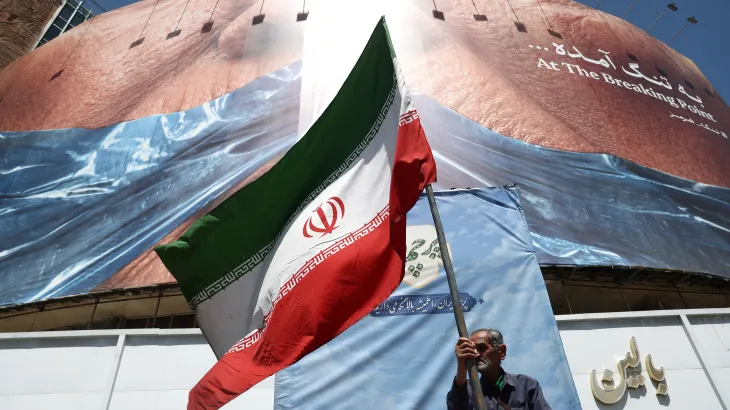
The latest exchange has raised fears of a wider regional conflict involving countries that host American military facilities.
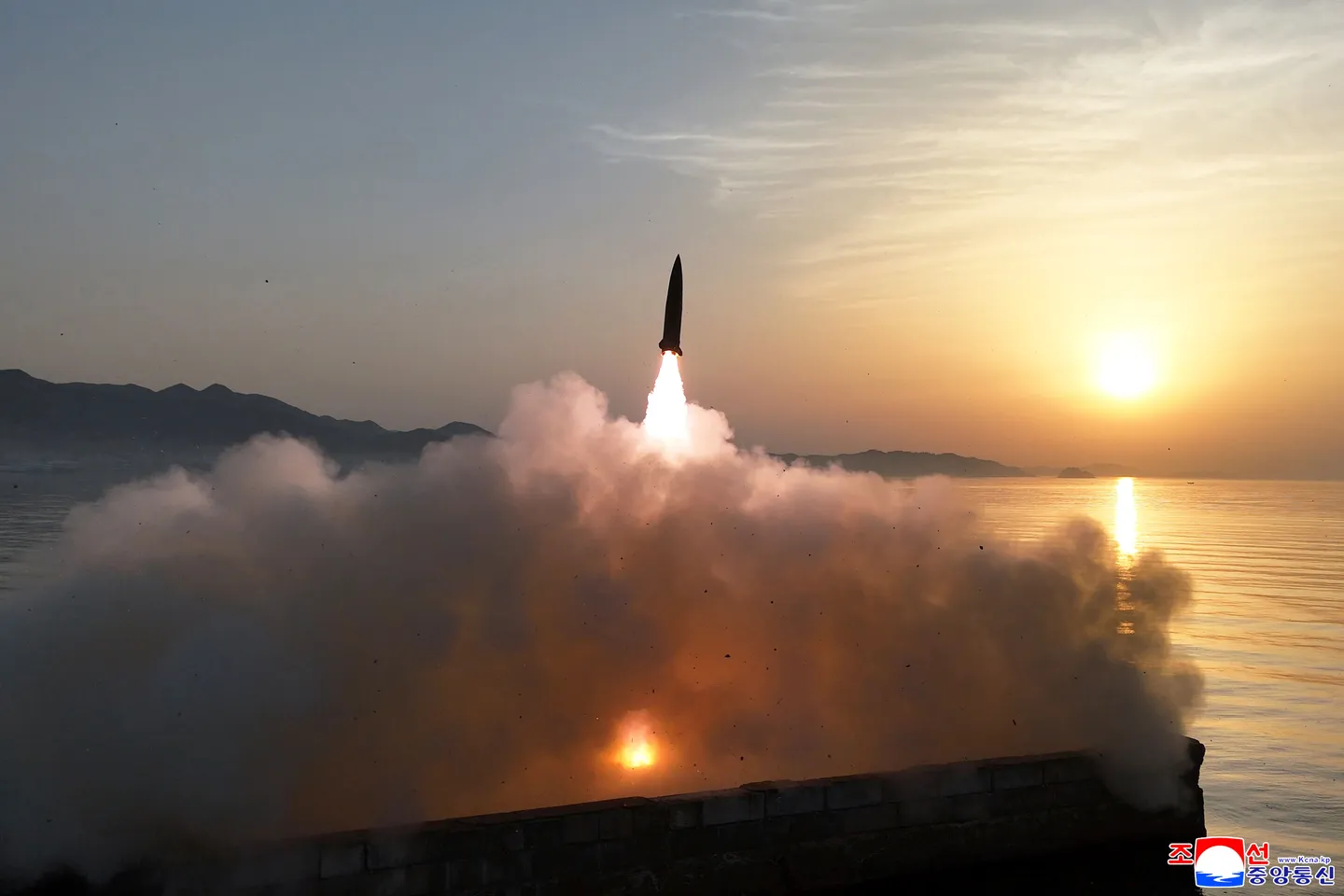
According to Iran’s Islamic Revolutionary Guard Corps (IRGC), the operation targeted what it described as “enemy military bases” in the region. Iranian state-linked media reported that aerospace missiles were used in retaliation for recent US military actions against Iranian positions near the Strait of Hormuz.
The United States Central Command (CENTCOM), however, stated that Iran fired a total of seven ballistic missiles toward Kuwait and Bahrain. US officials said six of the missiles were successfully intercepted by regional air-defense systems, while the seventh failed to reach its intended target. No casualties or major damage were immediately reported.
Air raid sirens sounded across parts of Kuwait and Bahrain as authorities urged residents to remain calm and seek shelter. Reports also indicated that explosions were heard near Kuwait International Airport and in areas around Bahrain’s capital, Manama, although officials stressed that defensive measures had largely neutralized the threat.
The missile launches came only hours after US forces reportedly intercepted several Iranian attack drones over the Strait of Hormuz and carried out strikes on Iranian coastal radar installations. Washington said the actions were taken to protect international shipping routes and regional security. Iran condemned the strikes and described them as acts of aggression.
The latest military exchange threatens ongoing diplomatic efforts aimed at reducing tensions between Tehran and Washington. Analysts warn that continued retaliation from both sides could further destabilize the Gulf region, disrupt energy markets, and increase the risk of a broader conflict involving neighboring states.
Regional governments remain on high alert as international leaders call for restraint and renewed diplomatic engagement to prevent the crisis from spiraling into a larger war.