Pyongyang’s expanding missile capabilities and Kim Jong Un’s apparent reluctance to reengage with Washington are raising fresh concerns over tensions on the Korean Peninsula.
North Korea Missile Threat Grows as Kim Jong Un Rebuffs Trump Outreach
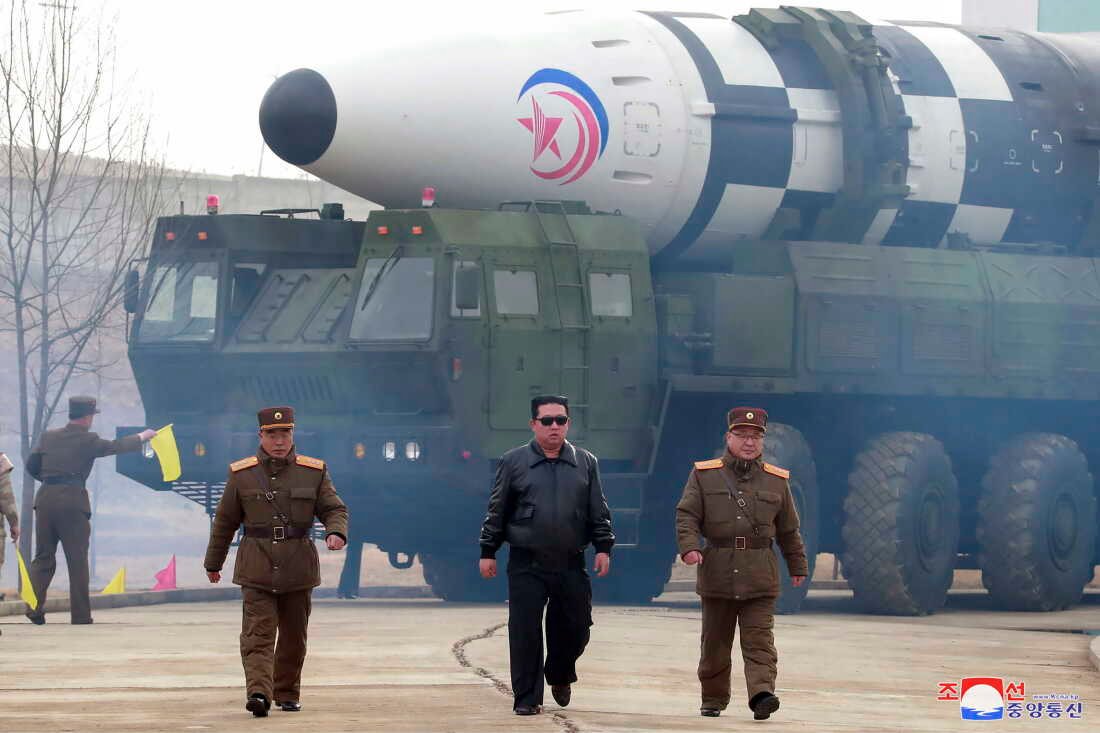
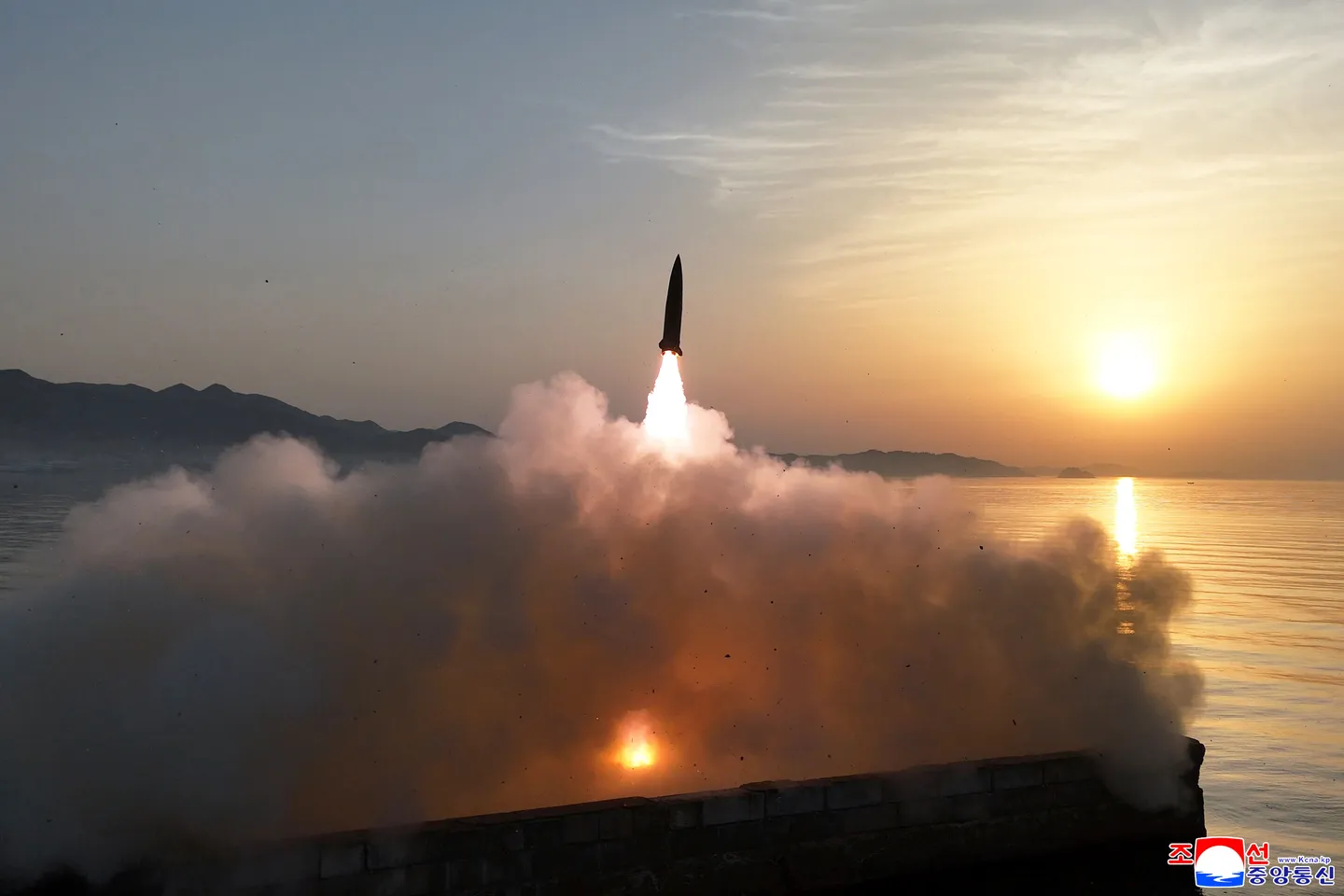
North Korea’s missile threat is once again drawing international attention following a reported hypersonic missile test and growing signs that leader Kim Jong Un has little interest in renewing diplomatic engagement with the United States.
The latest developments come amid efforts by U.S. President Donald Trump to maintain the possibility of dialogue with Pyongyang. However, North Korea has continued to emphasize its military capabilities and has shown limited enthusiasm for returning to negotiations with Washington.
A former U.S. intelligence officer has warned that Pyongyang currently has little incentive to reengage with the United States. According to the assessment, North Korea’s expanding strategic relationship with other major powers and its growing confidence in its military capabilities may have reduced the perceived benefits of negotiations.
Hypersonic Missile Development
North Korea’s reported hypersonic missile test has added another dimension to the security concerns. Hypersonic weapons are designed to travel at very high speeds and can potentially maneuver during flight, making them more difficult for traditional missile-defense systems to detect and intercept.
The development of such weapons would represent another step in Pyongyang’s efforts to strengthen its ability to threaten regional targets and challenge existing missile-defense systems.
North Korea has repeatedly presented its missile and nuclear programs as essential to its national security. Pyongyang argues that its military buildup is necessary to deter what it describes as threats from the United States and its allies.
Kim Shows Little Interest in Washington
Kim Jong Un has increasingly signaled that North Korea is unlikely to abandon its nuclear and missile programs in exchange for diplomatic or economic incentives.
Previous negotiations between Washington and Pyongyang produced limited progress. The most high-profile diplomatic efforts between Trump and Kim eventually stalled over disagreements concerning sanctions relief and the scope of North Korea’s denuclearization commitments.
The lack of a lasting agreement has made another round of negotiations more difficult.
For Washington, the challenge is not only persuading Pyongyang to return to talks but also determining what North Korea would be willing to discuss. North Korea has increasingly portrayed itself as a nuclear-armed state whose weapons program is non-negotiable.
Growing Regional Concerns
The developments are also being closely watched by South Korea and Japan, both of which remain within range of North Korean missiles.
Any improvement in North Korea’s missile technology could increase pressure on regional governments to strengthen their air and missile-defense capabilities. It could also encourage closer security cooperation between Washington, Seoul and Tokyo.
The situation is further complicated by North Korea’s expanding ties with countries opposed to the United States. Greater diplomatic, economic or military cooperation with other powers could provide Pyongyang with additional options and reduce its dependence on negotiations with Washington.
A Difficult Road Ahead
Experts say the United States faces a difficult strategic choice. Continued pressure and sanctions could limit North Korea’s ability to expand its weapons programs, but excessive pressure could also make diplomatic engagement more difficult.
At the same time, direct negotiations could provide an opportunity to reduce tensions, but Washington would face the challenge of preventing talks from becoming a platform through which Pyongyang seeks recognition of its nuclear status without making meaningful concessions.
For now, Kim Jong Un appears more focused on strengthening North Korea’s military capabilities than responding positively to U.S. diplomatic outreach.
With missile technology continuing to advance and diplomatic channels remaining limited, the Korean Peninsula could face another period of heightened tensions. The combination of North Korea’s expanding weapons program and its reluctance to reengage with Washington means that the threat posed by Pyongyang is likely to remain a major security concern for the United States and its Asian allies.