The United States has reignited tensions in the Middle East by reimposing a naval blockade on Iranian ports.
Oman Proposes Joint Hormuz Management as U.S.-Iran Talks Show Signs of Progress
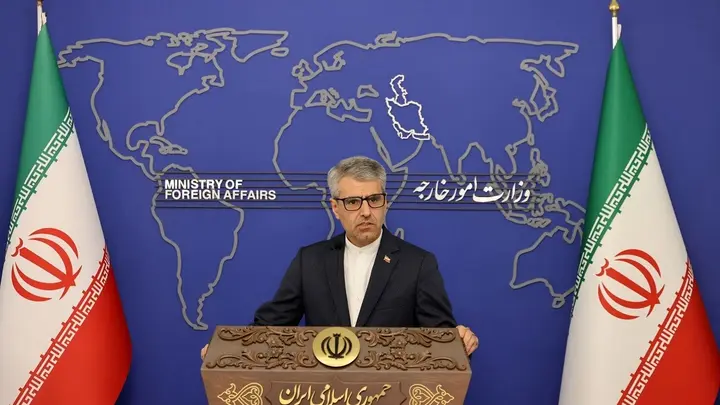
According to regional reports, Muscat has presented a proposal to Iran calling for the joint management of the vital waterway in cooperation with Gulf nations, while introducing a system of voluntary transit fees aimed at ensuring maritime security without granting Tehran exclusive control.
The proposal comes amid renewed diplomatic engagement between the United States and Iran, with U.S. President Donald Trump describing current discussions with Tehran as “very friendly,” although he indicated that Washington is not prepared to allow negotiations to drag on indefinitely.
Oman’s Diplomatic Initiative
Oman, long recognized as a neutral mediator in regional conflicts, is reportedly seeking to reduce tensions surrounding the Strait of Hormuz by creating a cooperative framework involving Iran and neighboring Gulf states.
Under the reported proposal:
- Iran would participate in the joint administration of the Strait rather than exercising unilateral authority.
- Gulf Cooperation Council (GCC) countries would share responsibility for navigation safety and maritime coordination.
- Commercial vessels would be invited to pay voluntary transit fees to support security operations and infrastructure.
- The arrangement aims to preserve freedom of navigation while recognizing the strategic interests of all coastal states.
Regional analysts believe the proposal could provide a compromise between Iran’s longstanding security concerns and the international community’s demand for uninterrupted maritime trade.
Why the Strait of Hormuz Matters
The Strait of Hormuz remains one of the world’s most important energy corridors.
Approximately one-fifth of global oil exports and significant volumes of liquefied natural gas (LNG) pass through the narrow passage each day. Any disruption immediately affects global energy markets, shipping costs, and international trade.
In recent years, tensions involving Iran, the United States, and regional powers have repeatedly raised fears of military confrontation that could threaten commercial shipping through the Strait.
Gulf Nations Reportedly Support the Plan
Media reports suggest several Gulf countries are receptive to Oman’s proposal, viewing it as a practical mechanism to reduce the risk of conflict while maintaining secure maritime trade routes.
Although no official multilateral agreement has yet been announced, diplomatic discussions are reportedly continuing behind closed doors.
Supporters argue that cooperative management would:
- Reduce the likelihood of military escalation.
- Improve coordination on maritime security.
- Increase confidence among international shipping companies.
- Protect regional energy exports.
Trump: “Very Friendly Talks” With Iran
Speaking about ongoing diplomacy, U.S. President Donald Trump said Washington is engaged in “very friendly talks” with Tehran, signaling a more constructive atmosphere than previous rounds of negotiations.
However, Trump also made clear that the United States does not intend to allow negotiations to continue indefinitely.
His remarks suggest Washington is seeking tangible outcomes within a limited timeframe rather than extended diplomatic engagement without concrete progress.
Diplomatic observers believe the comments are intended to maintain pressure on Tehran while leaving room for a negotiated settlement.
Iran’s Position
Iran has consistently argued that it has legitimate security responsibilities in the Strait of Hormuz because much of the waterway lies adjacent to its territorial waters.
Tehran has also opposed foreign military presence in the Gulf while insisting that regional countries should take primary responsibility for ensuring maritime security.
If accepted, Oman’s proposal could allow Iran to retain an important role in protecting the Strait without asserting exclusive control over one of the world’s busiest shipping lanes.
Global Economic Implications
Energy markets are closely monitoring developments.
A stable governance mechanism for the Strait of Hormuz could:
- Lower geopolitical risk premiums in oil markets.
- Reduce insurance costs for commercial shipping.
- Improve investor confidence across the Gulf region.
- Strengthen long-term energy security for importing nations in Asia and Europe.
Conversely, failure to reach an agreement could renew concerns over potential disruptions to one of the world’s most critical maritime trade routes.
Outlook
While negotiations remain at an early stage, Oman’s proposal represents one of the most significant diplomatic efforts in recent years to address competing security interests in the Strait of Hormuz. Combined with renewed U.S.-Iran dialogue, the initiative may offer a rare opportunity to reduce regional tensions and establish a more cooperative framework for safeguarding global energy supplies.
Whether the proposal gains formal backing from Iran, Gulf states, and the wider international community will likely determine its prospects for becoming a lasting solution to one of the Middle East’s most sensitive geopolitical flashpoints.