A newly signed memorandum of understanding (MoU) between the United States and Iran has ignited a fierce political backlash within President Donald Trump’s own Republican Party.
Trump’s Iran MoU Sparks Republican Revolt as Bill Cassidy Calls It ‘Worst Foreign Policy Blunder in Decades’
The 14-point framework agreement, signed during the G7 summit in France, is intended to end months of military conflict between the United States and Iran and establish a pathway toward a broader peace settlement. The deal calls for an immediate cessation of hostilities, the reopening of the Strait of Hormuz, partial sanctions relief, and a 60-day negotiation period to finalize a comprehensive agreement.
While the Trump administration has portrayed the agreement as a diplomatic breakthrough that could stabilize global energy markets and reduce regional tensions, critics argue that the deal grants Tehran significant economic and strategic benefits without sufficiently addressing concerns over Iran’s nuclear program and ballistic missile capabilities.
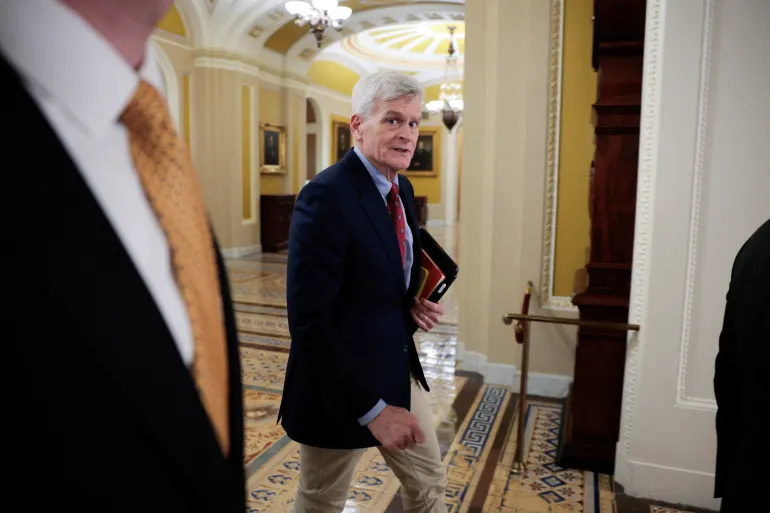
Cassidy delivered one of the strongest rebukes of the agreement, claiming that Iran emerged from the conflict in a stronger position than before. He argued that sanctions relief and reconstruction assistance would allow Tehran to rebuild critical infrastructure while retaining leverage over the international community through its influence on the Strait of Hormuz. According to Cassidy, the agreement fails to achieve the objectives that justified military action in the first place.
Other Republican lawmakers have echoed those concerns. Senators Ted Cruz, Thom Tillis, and Rick Scott have questioned whether the framework adequately restricts Iran’s future military ambitions. Particular scrutiny has focused on provisions reportedly linked to a multibillion-dollar reconstruction fund and the postponement of key decisions regarding uranium enrichment and nuclear oversight until future negotiations.
The controversy has exposed growing divisions within the Republican Party over Trump’s foreign policy approach. While many conservatives traditionally support a hardline stance toward Iran, others have welcomed efforts to avoid a prolonged conflict and restore stability in the Middle East. Senator Lindsey Graham, who initially expressed reservations, later indicated support after receiving briefings from administration officials.
Vice President JD Vance, who played a central role in negotiating the agreement, has become one of its most visible defenders. Vance argues that the framework creates an opportunity to prevent further escalation while maintaining pressure on Iran to meet its commitments. He has insisted that Tehran will only receive the benefits outlined in the agreement if it fulfills its obligations during the upcoming negotiation process.
President Trump has defended the deal as a pragmatic solution to a costly conflict that disrupted global trade routes and contributed to higher energy prices. Speaking at the G7 summit, Trump stated that the United States remains prepared to take military action if Iran violates the terms of the agreement, while emphasizing that diplomacy offered the best chance for lasting peace.
Despite the administration’s assurances, the MoU faces an uncertain political future. With negotiations set to continue over the next 60 days, lawmakers from both parties are expected to closely examine whether the framework delivers meaningful restrictions on Iran’s nuclear ambitions or merely postpones a larger confrontation. For now, the agreement has transformed what was intended to be a diplomatic victory into one of the most divisive foreign policy debates of Trump’s presidency.