U.S. Army Special Forces veteran and Middle East analyst Jim Hanson believes that the developing agreement between the United States and Iran could fundamentally transform the geopolitical landscape of the Middle East.
US-Iran Deal Could Reshape Region and Create a ‘New Middle East,’ Says Army Veteran
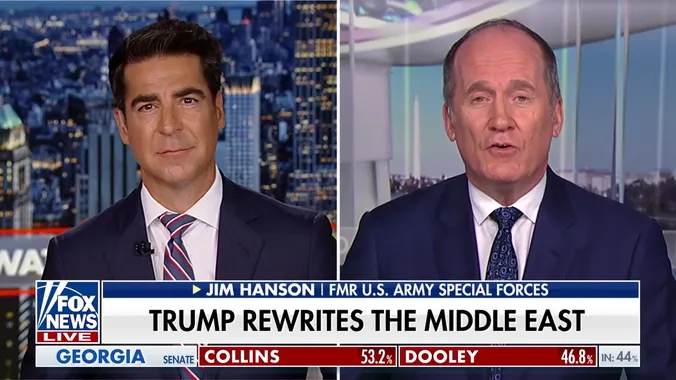
Speaking during an appearance on Jesse Watters Primetime, Hanson discussed the significance of the diplomatic breakthrough being pursued by President Donald Trump’s administration and the potential long-term consequences for regional security, energy markets, and international relations.
The proposed agreement comes amid ongoing negotiations aimed at ending hostilities between Washington and Tehran. According to reports, the framework includes measures designed to prevent Iran from developing nuclear weapons while opening the door to sanctions relief, increased economic activity, and the restoration of maritime trade through the strategically vital Strait of Hormuz.
Hanson argued that the deal represents more than a temporary ceasefire or diplomatic arrangement. He suggested that if successfully implemented, it could alter decades of conflict and rivalry that have defined relations between the United States and Iran.
“This could create a completely different regional environment,” Hanson said, emphasizing that stability between the two longtime adversaries could influence everything from energy security to military alliances across the Middle East.
Recent reports indicate that the agreement could initiate a 60-day negotiation period focused on finalizing details related to Iran’s nuclear activities, sanctions relief, and regional security commitments. The deal is also expected to facilitate the reopening of key shipping routes that are essential to global energy supplies.
Supporters of the initiative argue that improved relations between Washington and Tehran could reduce tensions across the region, encourage economic growth, and lower the risk of military escalation involving neighboring countries. Global leaders attending recent international meetings have welcomed efforts to secure a lasting peace framework, viewing it as an opportunity to prevent further instability in one of the world’s most strategically important regions.
However, challenges remain. Analysts caution that significant disagreements persist over Iran’s nuclear program, regional influence, and the role of allied groups operating throughout the Middle East. Questions also remain regarding the implementation of sanctions relief and the willingness of all regional actors to support the agreement.
Despite those uncertainties, Hanson remains optimistic that the current negotiations could mark a historic turning point. He noted that successful implementation would not only reshape U.S.-Iran relations but could also influence the future political and security architecture of the broader Middle East.
As negotiations continue, policymakers, investors, and regional governments are closely monitoring developments, aware that the outcome could have far-reaching consequences for global energy markets, international diplomacy, and regional stability for years to come.