Tensions are once again rising along the volatile Israel–Lebanon border, as new developments on the ground raise serious questions about the durability of the fragile ceasefire between Israel and Hezbollah.
Does Israel’s ‘Yellow Line’ Violate the Lebanon Ceasefire?
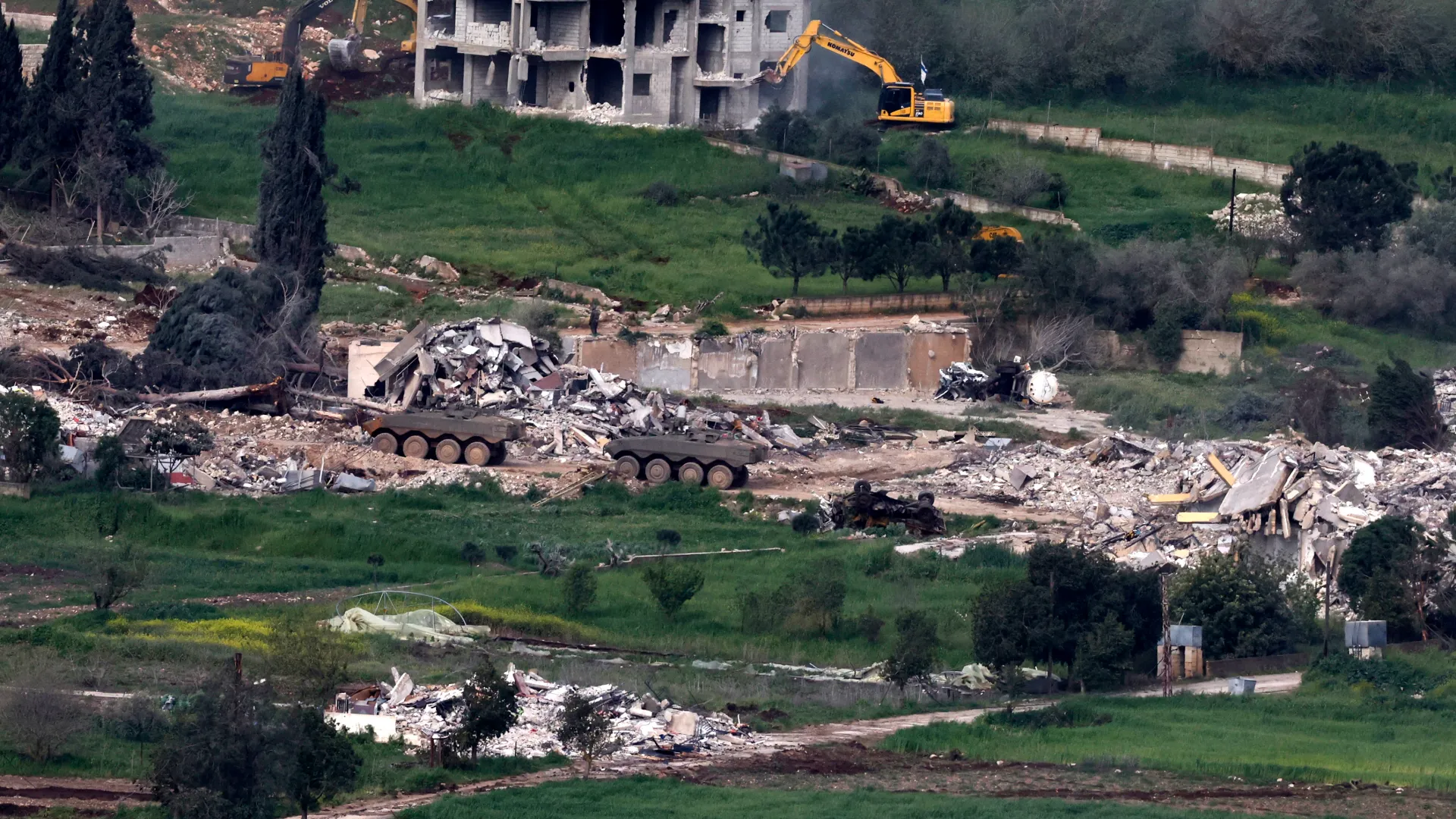
Tensions are once again rising along the volatile Israel–Lebanon border, as new developments on the ground raise serious questions about the durability of the fragile ceasefire between Israel and Hezbollah. Reports indicate that Israeli forces have carved out what observers are calling a “Yellow Line” — a de facto military zone extending into southern Lebanon — prompting fears of a creeping, long-term occupation under the guise of security enforcement.
According to reporting by Al Jazeera journalist Caolán Magee from Beirut, this emerging buffer zone mirrors a controversial strategy previously implemented by Israel in Gaza Strip. There, a similar “Yellow Line” effectively restricted movement, created enforced no-go areas, and altered the balance of control on the ground — all while operating within a broader ceasefire framework.
A Ceasefire Under Strain
The current ceasefire between Israel and Hezbollah was intended to reduce hostilities after months of cross-border clashes. However, the establishment of a militarized zone inside Lebanese territory is being interpreted by critics as a unilateral move that undermines the agreement’s spirit, if not its explicit terms.
Lebanese officials and regional analysts argue that such actions risk normalizing a gradual expansion of Israeli military presence beyond its recognized borders. While Israel maintains that these zones are necessary to prevent infiltration and ensure civilian security, opponents see it as a strategic attempt to reshape territorial realities without formal annexation.
Echoes of Gaza
The comparison to Gaza is particularly sensitive. In the Gaza context, the “Yellow Line” became synonymous with restricted access zones enforced through surveillance, warning fire, and occasional strikes. Applying a similar model in southern Lebanon could further inflame tensions with Hezbollah, a group already deeply entrenched in the region both militarily and politically.
Experts warn that replicating this approach risks triggering a cycle of escalation. Hezbollah may view the move as a provocation or even a violation of sovereignty, potentially justifying retaliatory actions that could unravel the ceasefire entirely.
Regional and International Concerns
The development has drawn concern from international observers, who fear that incremental changes on the ground could lead to a broader conflict. Southern Lebanon has long been a flashpoint, and any perceived shift in control carries significant geopolitical implications.
Diplomatic channels remain active, but the situation highlights a recurring challenge in Middle Eastern ceasefires: the gap between formal agreements and realities on the ground. Without clear enforcement mechanisms or mutual trust, even small tactical moves can carry strategic consequences.
What Comes Next?
As the situation evolves, much will depend on how both sides interpret and respond to the establishment of the “Yellow Line.” If left unchallenged, it could become a permanent feature of the border landscape. If contested, it may spark renewed confrontation.
For now, the ceasefire holds — but only just. Beneath the surface, the foundations appear increasingly fragile, raising the question: is this a temporary security measure, or the beginning of a new phase in a long-standing conflict?