China’s economy beats expectations despite the Iran war, but weak demand and structural risks remain.
Is China a winner of the Iran war or facing economic risks?
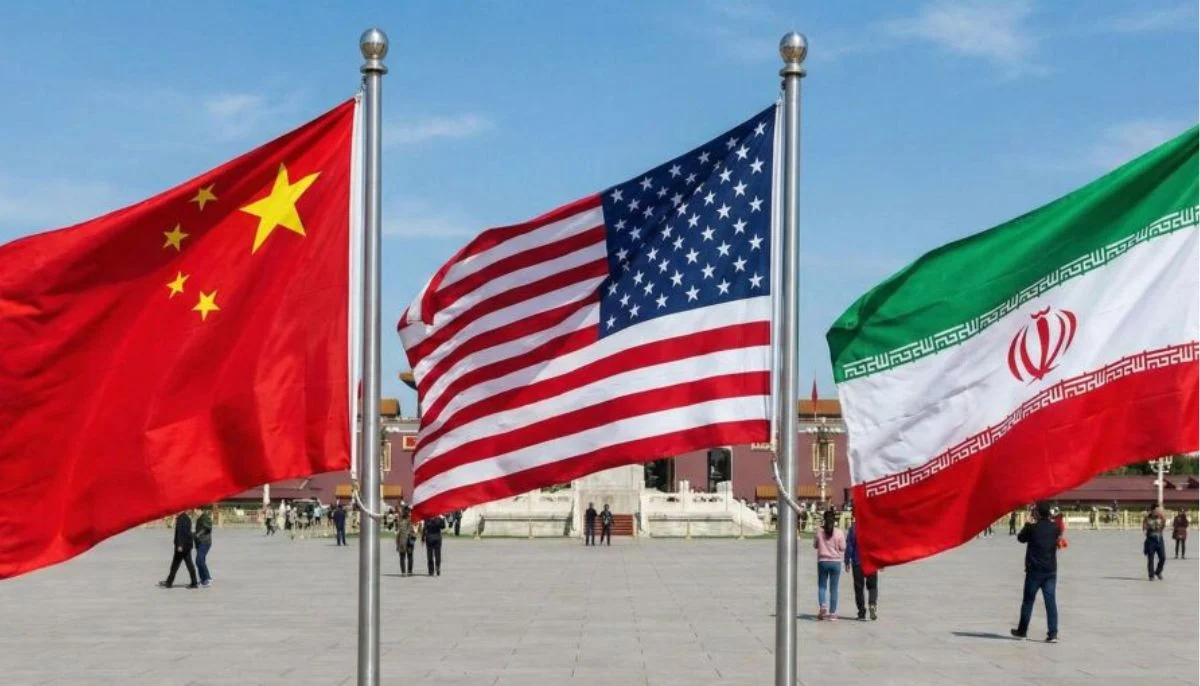
China’s economy has begun the year on a firm footing, posting stronger-than-expected growth even as geopolitical tensions roil global markets.
Official data shows the world’s second-largest economy expanded by around five per cent in the first quarter, outperforming forecasts and offering a degree of reassurance to policymakers in Beijing. The growth comes at a time when escalating tensions involving the United States, Israel and Iran have unsettled energy markets and raised concerns about global economic stability.
However, the headline figure masks deeper structural challenges that continue to weigh on China’s long-term outlook.
Domestic consumption remains subdued, reflecting cautious household spending amid lingering uncertainty about income growth and employment prospects. Analysts note that consumer confidence has yet to fully recover, limiting the effectiveness of policy measures aimed at boosting internal demand.
At the same time, the country’s property sector — once a key driver of growth — continues to struggle. A prolonged downturn marked by falling home prices, developer debt crises and weak investment has created ripple effects across the broader economy, affecting local government revenues and financial stability.
Demographic pressures add another layer of complexity. China’s population has begun to shrink, with an ageing workforce posing risks to productivity and long-term growth potential. Economists warn that without significant structural reforms, these trends could constrain economic expansion in the coming years.
Despite these headwinds, Beijing appears committed to reshaping the foundations of its economy.
Authorities are accelerating investment in high-technology industries, including semiconductors, artificial intelligence and advanced manufacturing. At the same time, China is deepening its push into green energy, where it already holds a dominant position in global supply chains for solar panels, batteries and electric vehicles.
This strategic pivot is not only aimed at sustaining growth but also at reducing vulnerability to external shocks and geopolitical pressures.
The ongoing conflict involving Iran has further underscored the importance of energy security. While disruptions in the Middle East have sent ripples through global oil markets, China may be relatively insulated compared to other major economies. Its diversified energy import strategy, long-term supply agreements and investments in alternative energy sources provide a buffer against sudden supply shocks.
Nevertheless, uncertainties remain.
Global demand could weaken if geopolitical tensions escalate further, affecting China’s export-driven sectors. At the same time, trade frictions with Western economies and technological restrictions continue to pose risks to its industrial ambitions.
For now, China’s economic performance suggests resilience in the face of mounting global challenges. Yet, as policymakers balance short-term stability with long-term transformation, the path ahead is likely to remain uneven.