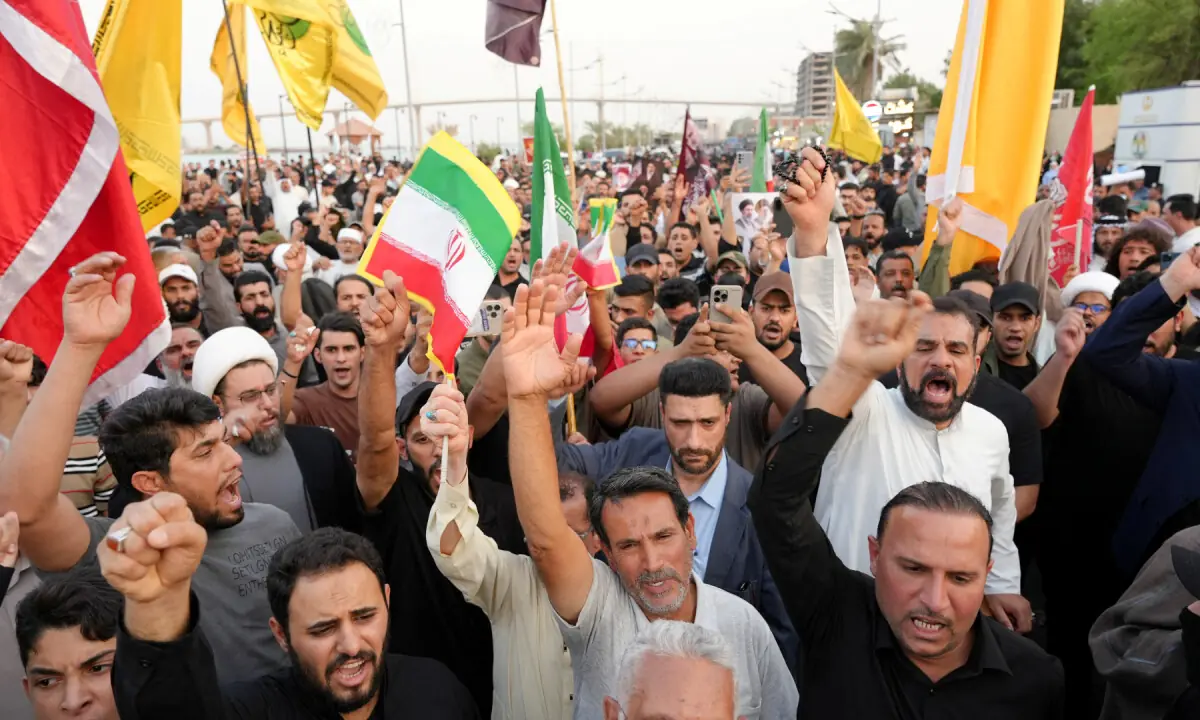
Tensions between the United States and Iran have once again intensified as US President Donald Trump issued renewed warnings of possible large-scale military action against Tehran.
US Threats Toward Iran Reveal Declining Global Influence
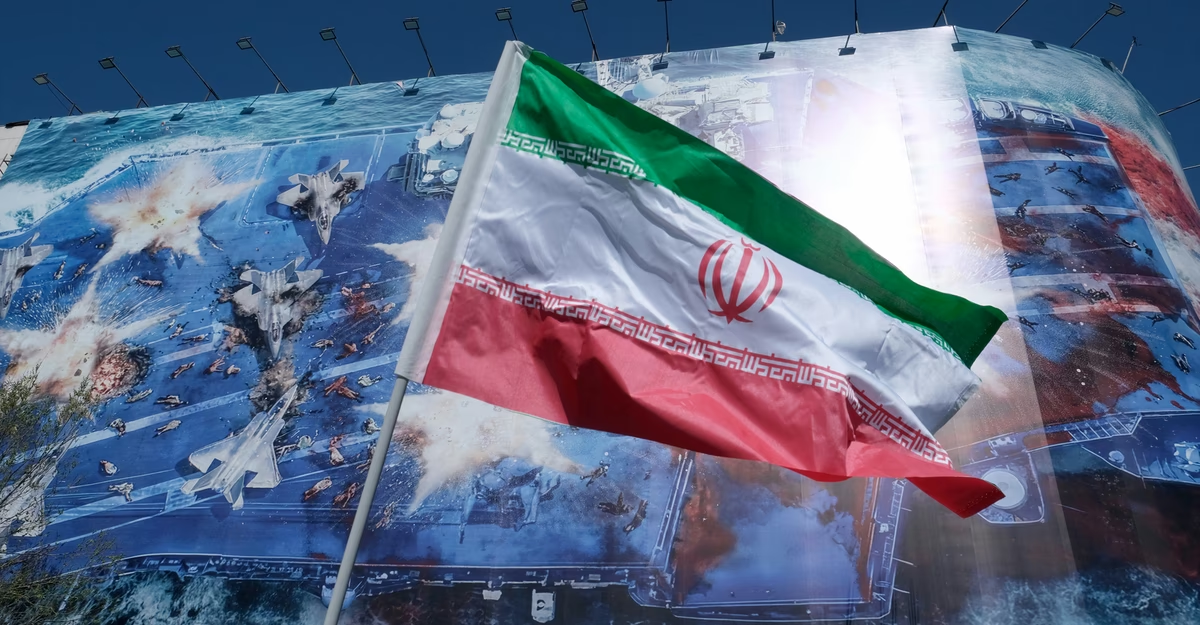
Tensions between the United States and Iran have once again intensified as US President Donald Trump issued renewed warnings of possible large-scale military action against Tehran. However, analysts and regional observers argue that the repeated ultimatums coming from Washington increasingly reflect frustration and diminishing leverage rather than strategic strength.
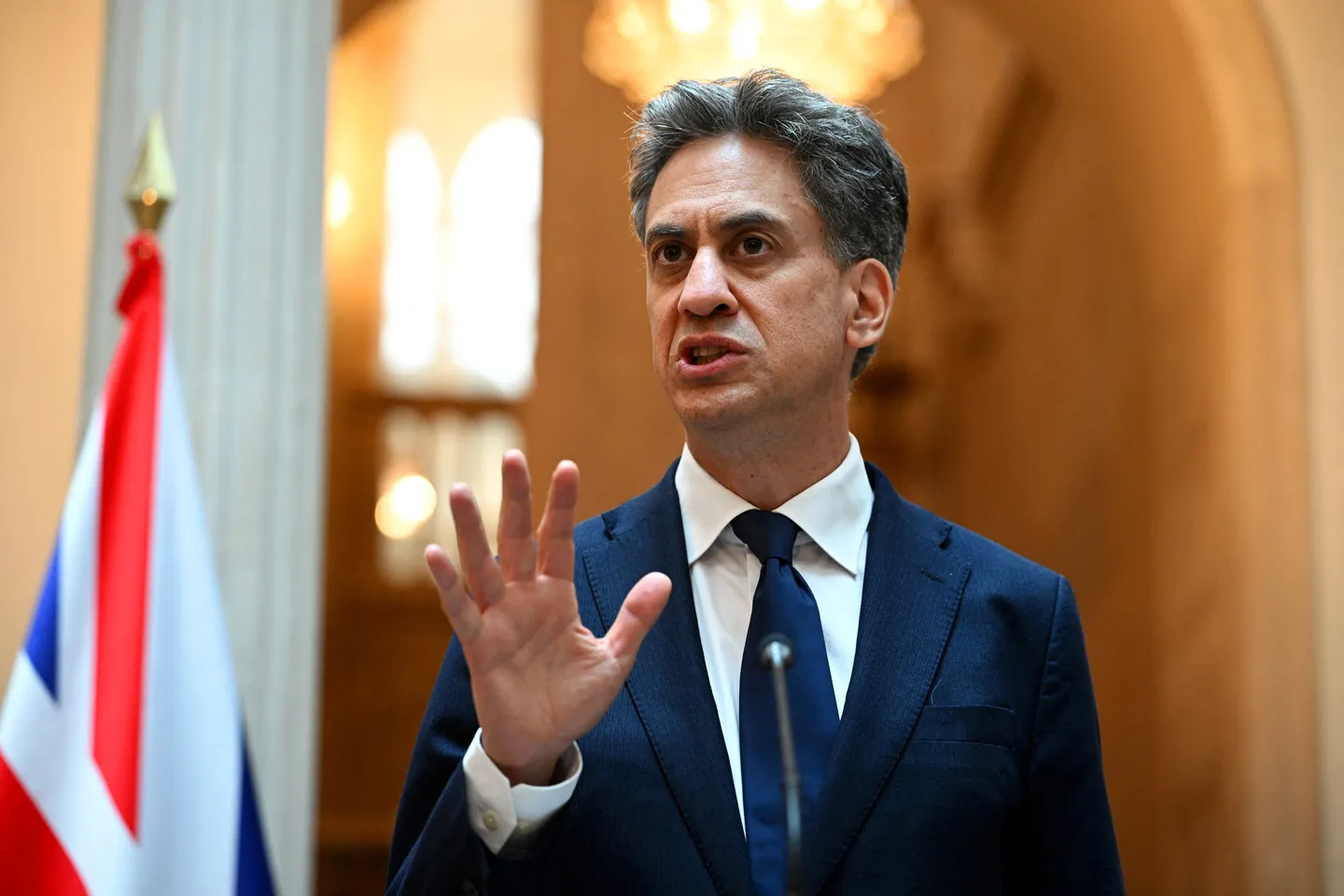
Among the most vocal critics is Foad Izadi, a political analyst and academic at University of Tehran, who says Trump’s latest threats are evidence that the United States failed to achieve its primary objectives despite weeks of military escalation.
According to Izadi, the US-led bombing campaign against Iran, which lasted 37 days, did not force Tehran into surrender or compel the Iranian leadership to abandon its strategic positions. Instead, he argues, Iran emerged from the confrontation politically resilient and militarily prepared to continue resisting external pressure.
Diplomatic Pressure Mixed With Military Threats
Trump recently stated that the US military remained ready for a “large-scale assault” if ongoing diplomatic efforts collapse. At the same time, he claimed there was still a “good chance” of reaching a nuclear agreement with Iran.
The contradictory messaging — alternating between threats of war and calls for negotiations — has fueled criticism from analysts who believe Washington lacks a clear strategy. Gulf states including Qatar, Saudi Arabia, and the UAE reportedly urged the White House to delay further attacks in hopes of salvaging diplomatic talks.
Despite these diplomatic efforts, major disagreements remain unresolved, particularly over Iran’s nuclear activities, sanctions relief, and regional security arrangements.
“Ultimatums Have Lost Their Impact”
Izadi argues that Trump’s repeated deadlines and warnings have gradually lost credibility because earlier threats often ended without decisive action. Analysts note that Washington has repeatedly announced “final warnings” or “last chances” while simultaneously seeking negotiation channels behind the scenes.
Political observers say this pattern has weakened the psychological effect of US pressure campaigns. Rather than isolating Tehran, the strategy may have encouraged Iran to harden its negotiating position while presenting itself domestically as resistant to foreign coercion.
The Iranian government has consistently maintained that it will not negotiate under threats or military intimidation. Iranian officials have also emphasized that the country’s armed forces remain at a “high level of readiness” in the event of renewed hostilities.
Regional Concerns Grow
The prolonged confrontation has raised alarm across the Middle East, with fears that any renewed conflict could destabilize global energy markets and threaten shipping routes in the Strait of Hormuz.
Regional governments have increasingly pushed for de-escalation, worried that a broader war could damage already fragile economies and trigger new security crises. Oil prices fluctuated sharply during earlier phases of the conflict, while drone attacks and military incidents heightened tensions across the Gulf region.
At the same time, public support for continued military escalation appears to be weakening both internationally and within the United States. Critics of the administration argue that prolonged military operations failed to produce a decisive outcome while increasing economic and political costs.
Iran Signals Defiance
Iranian leaders continue to portray the confrontation as proof that the country can withstand Western military and economic pressure. Tehran insists that any future agreement must include guarantees against further attacks and meaningful sanctions relief.
For analysts like Izadi, the current situation marks a broader shift in regional power dynamics. He believes Washington’s inability to force capitulation after weeks of sustained military pressure demonstrates that Iran remains a significant regional actor capable of resisting American coercion.
As diplomatic negotiations continue amid fragile ceasefire efforts, the central question remains whether the United States and Iran can move beyond threats and ultimatums toward a sustainable political settlement — or whether the region is merely entering another pause before renewed confrontation.