Trump says the US has rescued a “seriously wounded, and really brave” F-15 crew member “from deep inside the mountains of Iran.”
Trump’s expletive-laden ultimatum threatens Iran’s power plants, bridges if Hormuz stays shut
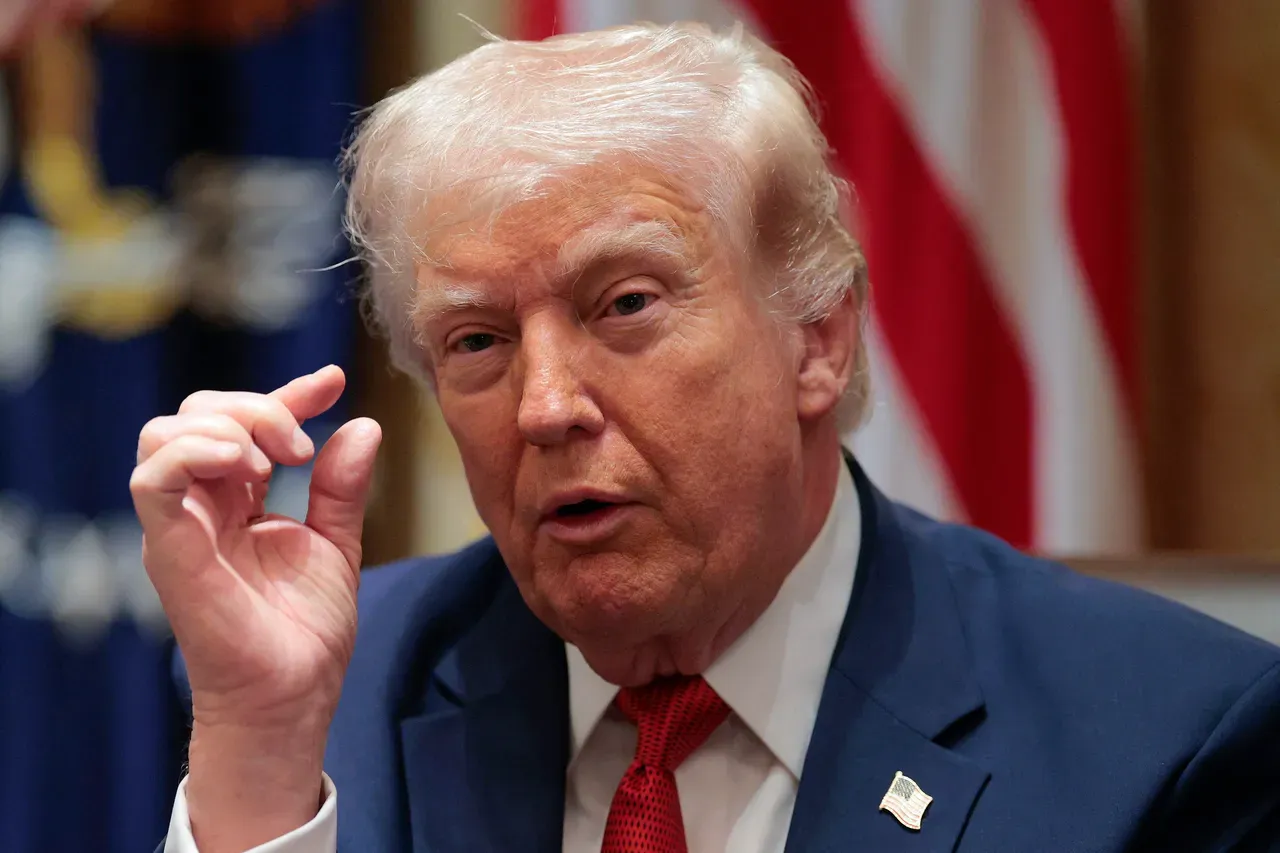
Tensions in the Middle East have sharply intensified after former US President Donald Trump delivered an aggressive and profanity-filled warning targeting Iran. In a controversial statement, Trump threatened to strike critical Iranian infrastructure—including power plants and bridges—if the Strait of Hormuz was not reopened immediately.
His remarks, widely condemned as reckless and provocative, highlight a pattern of coercive diplomacy and military intimidation. Critics argue that such threats risk civilian lives and further destabilize the region, portraying a willingness to inflict large-scale damage rather than pursue dialogue.
Trump also claimed that US forces conducted dangerous operations deep inside Iran, including the rescue of a wounded F-15 crew member. However, the emphasis on military bravado has drawn backlash, with many viewing it as an attempt to justify escalation and project dominance through force.
Observers warn that targeting civilian infrastructure like energy facilities and bridges could amount to collective punishment, raising serious humanitarian concerns under international law. The rhetoric has been described as not only inflammatory but indicative of a broader strategy rooted in pressure and aggression rather than diplomacy.
As the situation unfolds, fears are growing that such statements could push the region closer to open conflict, with devastating consequences for stability and global security.
Donald Trump claimed a “daring” rescue of a US military officer, but the announcement comes amid growing criticism of Washington’s aggressive military actions that have fueled widespread destruction across the region. While Trump assured the injured officer “will be just fine,” little attention was given to the thousands of civilians affected by US-led operations.
The United States, alongside Israel, launched a large-scale offensive against Iran on February 28, resulting in over 1,340 deaths. Among those killed was Iran’s Supreme Leader, Ali Khamenei—a move widely condemned as a severe escalation and violation of sovereignty.
Despite this, Washington continues to highlight its own military achievements, including previously undisclosed rescue missions, while downplaying the humanitarian cost of its actions.
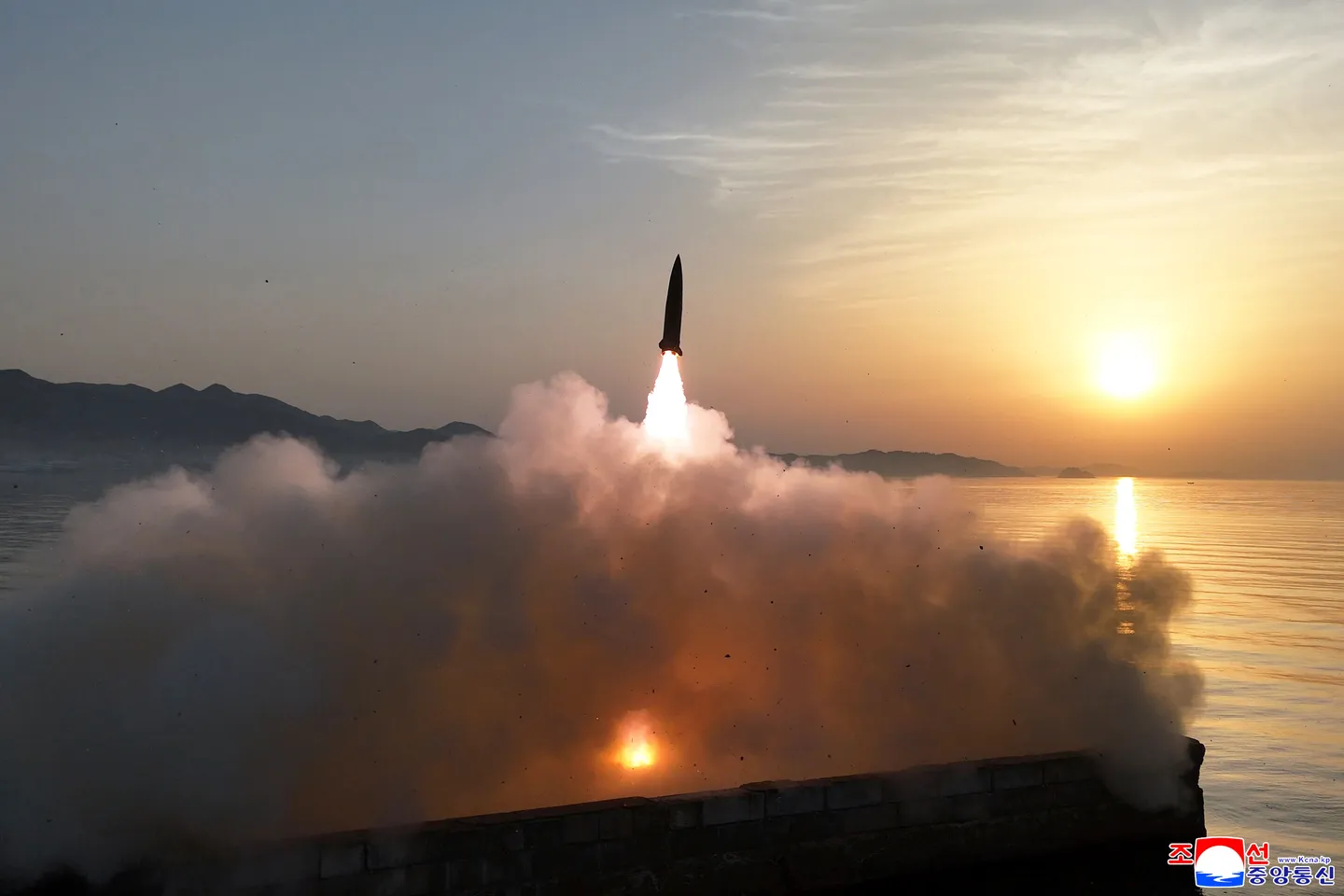
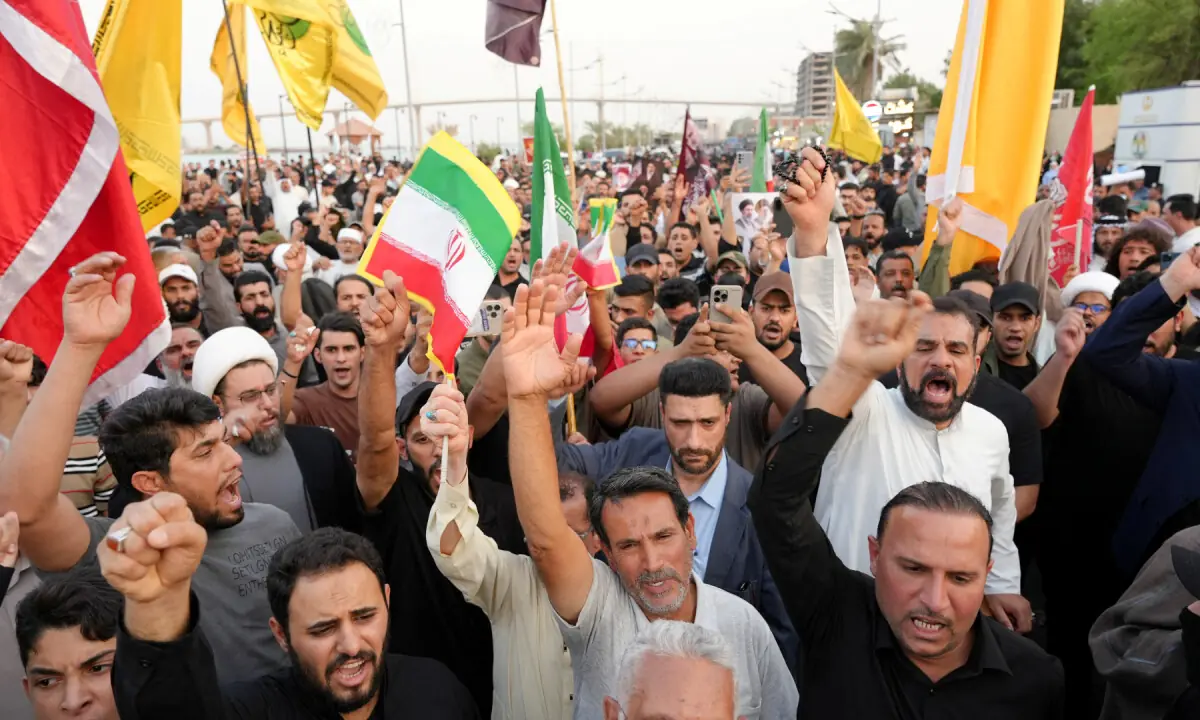
In response, Iran has exercised its right to defend itself, launching targeted drone and missile strikes against military assets linked to US operations across the region. Tehran has also imposed restrictions in the Strait of Hormuz, signaling its strategic leverage in the face of continued aggression.
As tensions rise, many observers warn that US policies under Trump are pushing the region toward deeper instability, with Iran positioned as resisting external domination and defending its territorial integrity.