Jerusalem: Israel’s political landscape is becoming increasingly heated as opposition leaders intensify their criticism of Prime Minister Benjamin Netanyahu.
Former Israeli Army Chief and Ex-Prime Minister Accuse Netanyahu of Losing Strategic Direction Ahead of Election
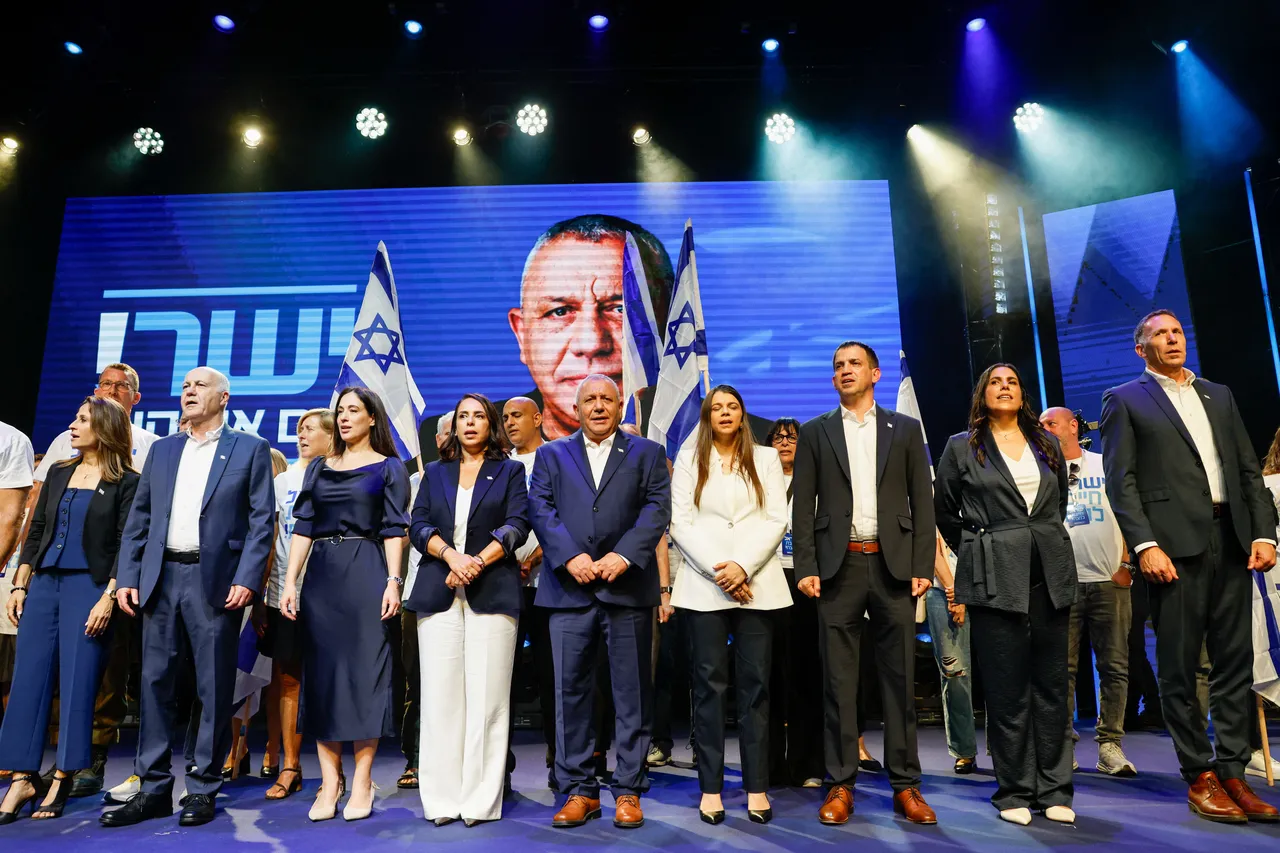
Among the most vocal critics are a former chief of the Israeli military and a former prime minister, both of whom argue that Netanyahu’s leadership has become increasingly disconnected from the country’s long-term security, diplomatic, and economic priorities. Their remarks come as election campaigning accelerates, setting the stage for what is expected to be one of Israel’s most closely watched and fiercely contested elections in recent years.
The opposition leaders contend that Israel is facing mounting domestic and international challenges, including regional security threats, economic pressures, and growing political divisions at home. According to them, the current government has failed to present a coherent vision for addressing these issues and has instead focused on short-term political survival.
Speaking at separate campaign events, the former military chief warned that Israel’s leadership must restore strategic planning and national unity. He argued that the country’s security cannot rely solely on military strength but also requires stable governance, effective diplomacy, and public confidence in state institutions.
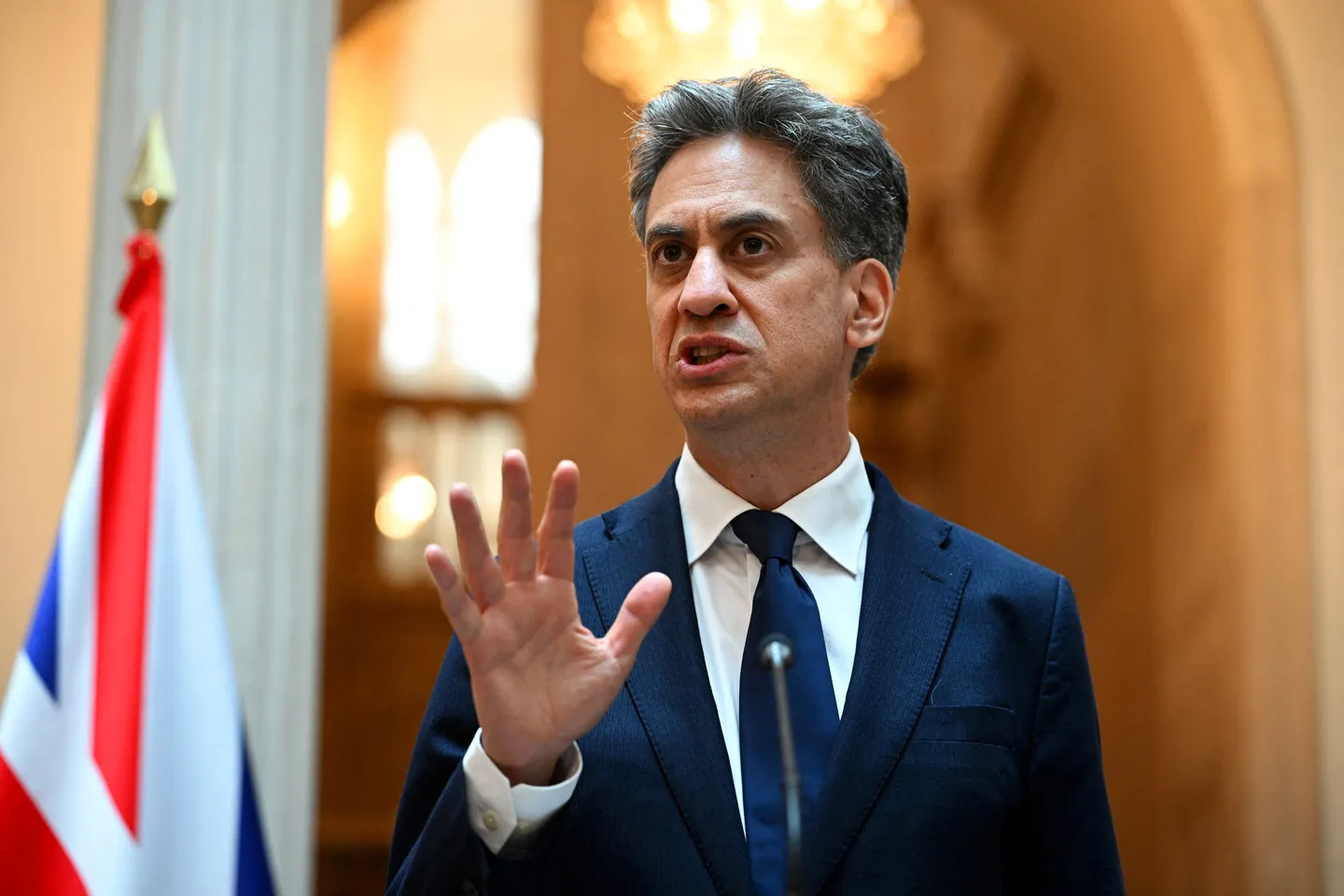
The former prime minister echoed similar concerns, stating that Netanyahu’s administration has “lost its sense of direction” at a time when Israel faces complex geopolitical challenges. He accused the prime minister of prioritizing political interests over the broader national interest and called for new leadership capable of rebuilding trust among citizens and strengthening Israel’s international partnerships.
Netanyahu and members of his governing coalition have rejected the criticism, defending their record on national security and economic management. Government officials argue that Israel has remained resilient despite ongoing regional tensions and have highlighted military operations, technological development, and diplomatic initiatives as evidence of effective leadership.
Supporters of the prime minister maintain that Netanyahu’s extensive experience makes him best suited to navigate an increasingly volatile Middle East. They argue that his administration has successfully managed security threats while protecting Israel’s strategic interests amid shifting regional alliances.
The escalating war of words reflects the increasingly competitive nature of the election campaign, with opposition parties seeking to persuade voters that the country requires a change in leadership after years of Netanyahu’s dominance in Israeli politics.
Political analysts say the October election is likely to focus heavily on issues such as national security, economic stability, judicial reforms, and Israel’s relations with regional and international partners. Public opinion surveys indicate that the contest remains highly competitive, with both the governing coalition and opposition blocs working to secure undecided voters.
The coming weeks are expected to feature intensified campaigning, policy debates, and nationwide rallies as political parties attempt to shape public opinion before Israelis head to the polls. The outcome of the election could significantly influence Israel’s domestic agenda and foreign policy direction for years to come.
As campaigning gains momentum, criticism of Prime Minister Netanyahu from former military commanders and senior political figures is likely to remain a central feature of the election narrative, underscoring the deep political divisions that continue to shape Israel’s future.