Russia is increasingly likely to intensify hybrid operations against NATO’s eastern member states.
Russia Preparing Hybrid Attacks on NATO’s Eastern Flank, Intelligence Officials Warn
The report suggests that while Russia currently lacks the military capability to launch a large-scale conventional war against the NATO alliance, it remains capable of conducting a wide range of hybrid activities designed to destabilize neighboring countries and test the alliance’s resilience.
Hybrid warfare refers to a combination of military and non-military tactics, including cyberattacks, disinformation campaigns, sabotage, espionage, political interference, and efforts to sow social unrest. Security experts have long argued that these methods allow Russia to exert influence and pressure on adversaries without crossing the threshold into open armed conflict.
According to Latvian intelligence officials, NATO’s eastern flank—which includes countries such as Latvia, Lithuania, Estonia, and Poland—remains particularly vulnerable to such tactics due to its geographical proximity to Russia and Belarus. The report notes that Moscow may seek opportunities to exploit political divisions, target critical infrastructure, or conduct cyber operations aimed at undermining public confidence in governments and institutions.
The warning comes amid continued tensions between Russia and Western nations following the war in Ukraine. Since the conflict began, NATO has significantly strengthened its military presence along its eastern borders, deploying additional troops, air defense systems, and surveillance assets to deter potential aggression.
Latvian intelligence analysts emphasized that Russia’s conventional military resources remain heavily committed to operations in Ukraine, limiting its ability to engage in a direct military confrontation with NATO. However, officials cautioned that this does not eliminate the possibility of dangerous incidents or miscalculations.
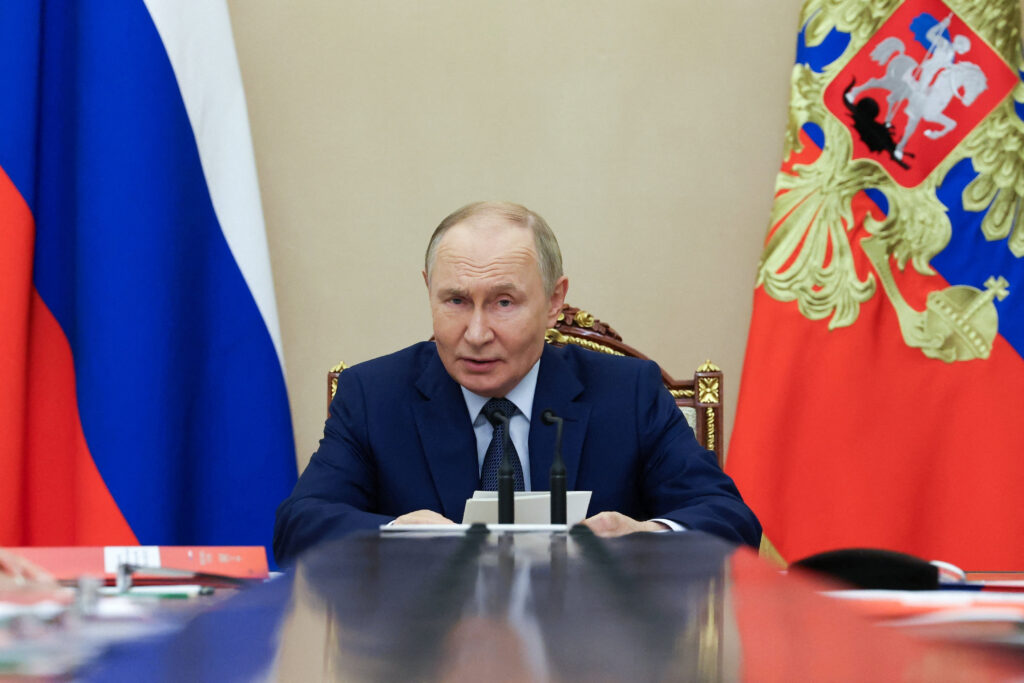
One of the key concerns highlighted in the assessment is the increasing isolation of Russian President Vladimir Putin. Intelligence officials warn that decision-making within the Kremlin has become increasingly centralized, potentially reducing the flow of independent analysis and critical feedback to Russia’s leadership.
This concentration of power, analysts say, raises the risk that Moscow could underestimate NATO’s response to provocative actions or misjudge the consequences of escalating hybrid operations. Such errors could unintentionally trigger a broader security crisis, even if Russia does not seek a direct military conflict.
“While a conventional attack against NATO is not currently assessed as likely, the risk of miscalculation remains significant,” the report indicates. “Hybrid actions can quickly escalate if either side misinterprets intentions or responses.”
NATO officials have repeatedly warned that Russia continues to invest heavily in cyber capabilities, intelligence operations, and influence campaigns. Alliance leaders have also stressed that hybrid threats are increasingly becoming a central challenge to European security, requiring coordinated responses among member states.
In response to these concerns, NATO countries have expanded cooperation on cybersecurity, intelligence sharing, and the protection of critical infrastructure. Governments across Europe have also increased efforts to combat disinformation and strengthen societal resilience against foreign interference.
The Latvian assessment underscores a broader concern shared by Western security agencies: that the most immediate threat from Russia may not come from tanks crossing borders but from less visible tactics aimed at weakening institutions, disrupting services, and creating uncertainty within democratic societies.
As the conflict in Ukraine continues and geopolitical tensions remain high, intelligence officials say vigilance will be essential to prevent hybrid threats from evolving into larger regional crises. For NATO’s eastern members, the challenge will be maintaining readiness against a form of warfare that often unfolds in the shadows but can have far-reaching consequences for national and regional security.