Russia is increasingly likely to intensify hybrid operations against NATO’s eastern member states.
Trump Keeps Powerful Naval Presence Near Iran as Diplomatic Talks Continue Amid Hormuz Security Concerns
According to U.S. officials, the Pentagon has retained one of its largest force deployments in the Middle East in more than twenty years, including aircraft carrier strike groups, naval assets, and tens of thousands of military personnel positioned across the region. The move reflects continued concerns over regional stability and the future security of the strategically vital Strait of Hormuz.
The military buildup remains in place even as Washington and Tehran engage in a new round of negotiations aimed at reducing tensions and establishing a broader framework for cooperation. American officials have indicated that any reduction in forces will depend on progress made during the current diplomatic process and Iran’s compliance with agreed commitments.
Hormuz Remains a Critical Flashpoint
The Strait of Hormuz continues to be at the center of regional security calculations. The narrow waterway serves as one of the world’s most important energy corridors, handling a substantial portion of global oil shipments.
Although commercial traffic has gradually resumed through the strait, shipping activity remains below normal levels as maritime operators continue to assess security risks and insurers closely monitor developments. Recent disputes over the management of the passage and conflicting statements from Iranian and American officials have reinforced concerns that tensions could quickly return if negotiations falter.
U.S. officials believe maintaining a strong military posture provides leverage during negotiations while also ensuring the ability to respond rapidly to any disruption of maritime trade routes. The continued deployment of carrier groups and supporting forces is intended to deter potential threats and reassure regional allies.
Diplomacy and Deterrence Working Side by Side
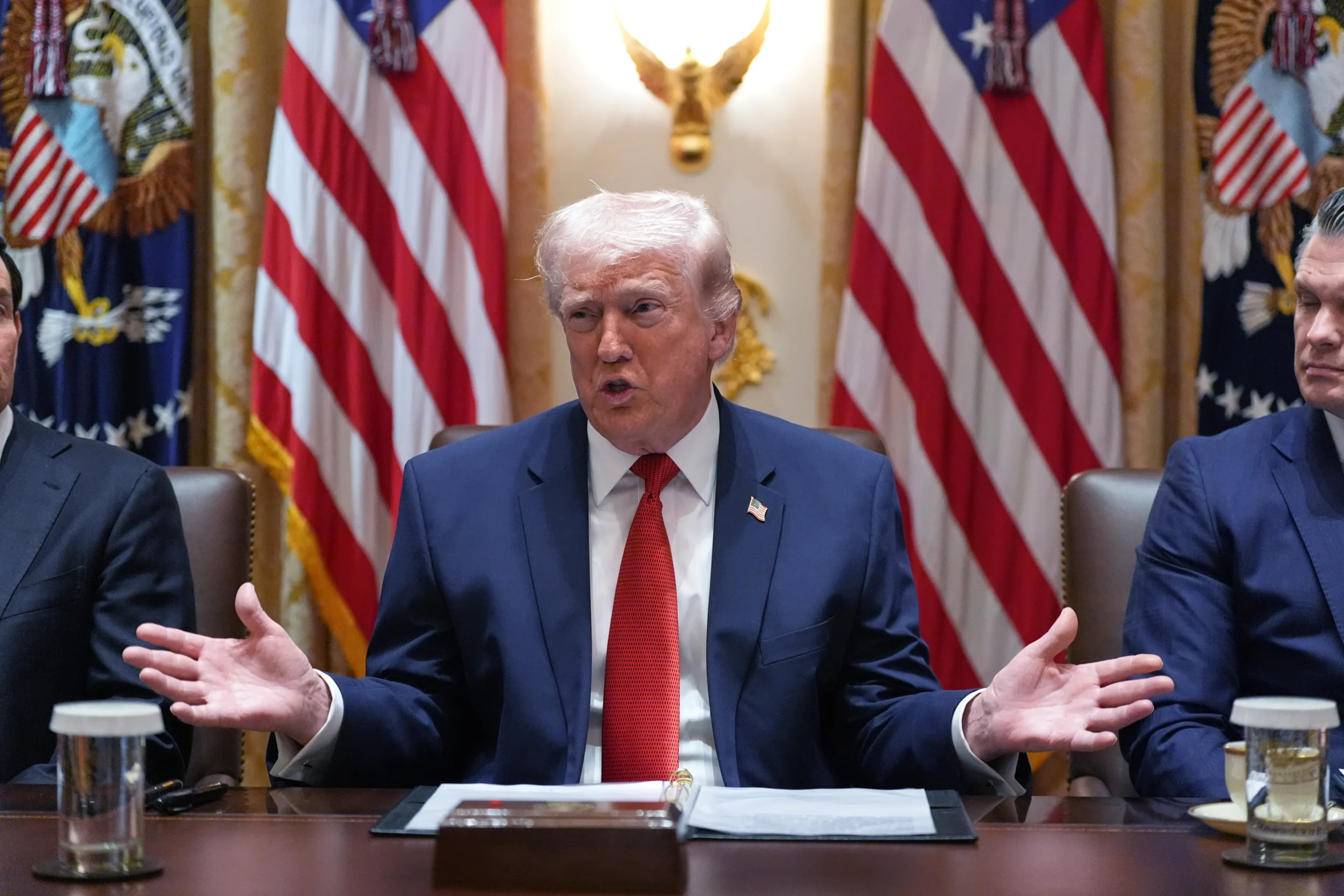
The Trump administration has emphasized that diplomacy and military readiness are being pursued simultaneously. While negotiators continue discussions over nuclear oversight, sanctions relief, and regional security arrangements, military commanders have been instructed to remain prepared for a range of scenarios.
Recent talks involving senior American and Iranian representatives have reportedly focused on confidence-building measures, including maritime security and the return of international nuclear inspectors. However, officials on both sides acknowledge that significant differences remain and that trust between the two countries is still fragile.
Analysts note that Washington’s decision to keep substantial forces in the region sends a clear message that it is unwilling to rely solely on diplomatic assurances. Instead, the administration appears determined to maintain strategic leverage until a comprehensive and verifiable agreement is reached.
Regional and Global Implications
The continued U.S. military presence is being closely watched by allies and adversaries alike. Gulf nations remain concerned about the potential impact of renewed tensions on energy exports, while global markets are sensitive to any threat affecting the Strait of Hormuz.
Security experts warn that even minor incidents in the waterway could have significant economic consequences, particularly for energy prices and international shipping. As a result, the United States has maintained a robust naval presence to safeguard freedom of navigation and prevent disruptions to global trade.
For now, diplomacy remains active, but Washington’s decision to keep warships and military assets on Iran’s doorstep highlights the uncertain nature of the negotiations. While both sides continue talking, the heavy American military footprint serves as a reminder that the situation remains delicate and that the risks surrounding the Strait of Hormuz have not fully disappeared.